- BPC-157 is a pentadecapeptide derived from the human gastric protein BPC, composed of 15 amino acids.
- Preclinical studies demonstrate a remarkable ability to accelerate healing of tendons, ligaments and muscles.
- The peptide acts primarily through modulation of the vascular endothelial growth factor (VEGF) pathway and the NO system.
- No phase III clinical trial has been completed in humans to date — the majority of data comes from animal models.
- The safety profile observed in animal studies is favorable, with no significant toxicity reported at the doses studied.
- The regulatory status of BPC-157 varies by country: it is not approved as a medication but remains accessible as a research peptide in certain jurisdictions.
Recommended products
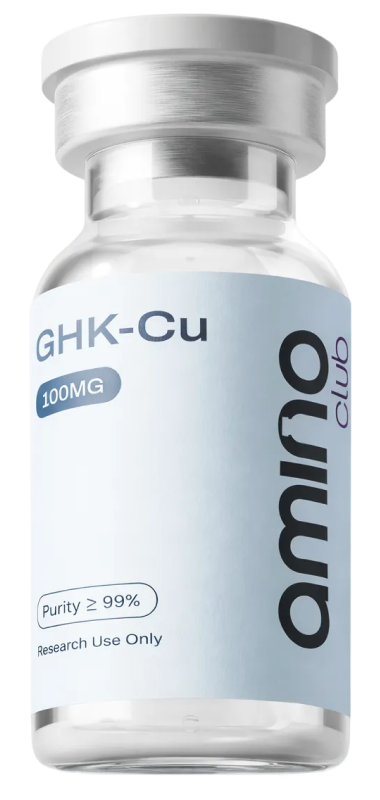
GHK-Cu
Anti-Aging Compound
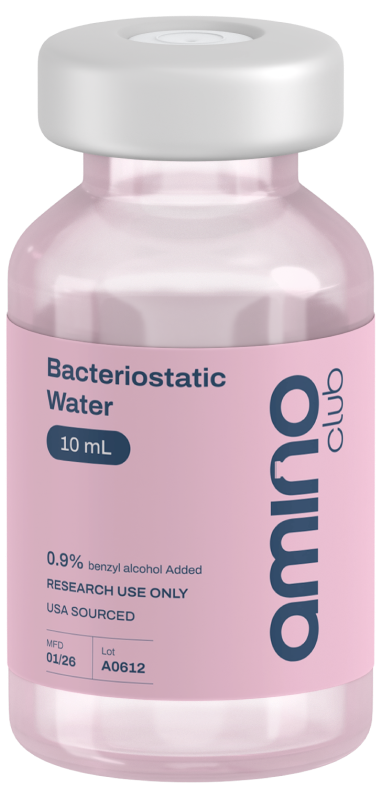
Bacteriostatic Water
Supplies
Transparency: Some links are affiliate links. If you purchase through these links, we earn a commission at no extra cost to you. This allows us to maintain independent testing. Our recommendations are never influenced by commissions.
Introduction
BPC-157 (Body Protection Compound-157) is one of the most studied peptides in the field of regenerative medicine. Since its discovery in the 1990s by the team of Professor Predrag Sikiric at the University of Zagreb, this pentadecapeptide has attracted growing interest from the scientific community and healthcare practitioners.
Derived from a protein naturally present in human gastric juice, BPC-157 exhibits cytoprotective and regenerative properties that have been documented in more than 100 preclinical studies. This research highlights considerable therapeutic potential, particularly in tissue repair, gastrointestinal protection and inflammation modulation.
This comprehensive guide aims to synthesize all available scientific knowledge on BPC-157 in 2026. We will examine its molecular mechanisms, the results of clinical and preclinical studies, its potential applications, as well as considerations regarding safety and regulation. The goal is to provide a factual and rigorous resource enabling everyone to form an informed opinion about this promising peptide. For a quick reference sheet, see our encyclopedic guide to BPC-157. BPC-157 is a central component of peptide blends such as Klow Peptide and Glow Peptide.
What is BPC-157?
BPC-157, whose full name is Body Protection Compound-157, is a synthetic peptide consisting of 15 amino acids. Its sequence is as follows: Gly-Glu-Pro-Pro-Pro-Gly-Lys-Pro-Ala-Asp-Asp-Ala-Gly-Leu-Val. This peptide is derived from a larger protein, BPC (Body Protection Compound), naturally secreted in the human gastrointestinal tract.
Unlike many therapeutic peptides, BPC-157 exhibits remarkable stability in acidic environments. This property is directly related to its gastric origin: it resists enzymatic degradation in the stomach, which opens the door to oral administration — a considerable advantage over other peptides that strictly require injection.
The molecular weight of BPC-157 is approximately 1,419 daltons. It has no known homolog in nature, making it a unique molecule in the landscape of bioactive peptides. From a biochemical standpoint, it is classified as a stable gastric peptide, distinct from classical growth factors although it interacts with several of their signaling pathways.
It is important to note that the BPC-157 used in research is produced by chemical synthesis (solid-phase peptide synthesis), and not extracted directly from gastric juice. Two main forms exist in the literature: the acetate salt and the sodium salt, which may present differences in stability and bioavailability.
Mechanism of action
The mechanisms of action of BPC-157 are multiple and interconnected, which explains the diversity of its observed biological effects. Research has identified several key molecular pathways through which this peptide exerts its cytoprotective and regenerative functions.
VEGF system modulation: One of the best-documented mechanisms is the activation of the vascular endothelial growth factor (VEGF) pathway. BPC-157 stimulates the expression of VEGF and its receptors, thereby promoting angiogenesis — the formation of new blood vessels. This process is fundamental to tissue repair, as an adequate blood supply is essential for the regeneration of damaged tissues.
Interaction with the nitric oxide (NO) system: BPC-157 modulates nitric oxide synthesis via NO synthase enzymes (eNOS and iNOS). This regulation is bidirectional: the peptide can increase or decrease NO production depending on the pathological context, thereby contributing to vascular protection and inflammation reduction. Studies have shown that it can counteract the deleterious effects of excess NO in chronic inflammation models.
FAK-paxillin pathway and cell migration: BPC-157 activates focal adhesion kinase (FAK) and paxillin, two proteins essential for cell migration and adhesion. This activation accelerates the healing process by promoting the movement of fibroblasts and endothelial cells toward the injured area. FAK phosphorylation induced by BPC-157 has been demonstrated in several models of tendon and muscle injuries.
GABAergic and dopaminergic system modulation: At the central nervous system level, BPC-157 interacts with the GABAergic and dopaminergic systems. Studies have shown that it can modulate dopaminergic receptor sensitivity and influence serotonin release, explaining the neuroprotective effects observed in animal models of brain injury and behavioral disorders.
Clinical studies
The scientific database on BPC-157 primarily consists of preclinical studies (in vitro and animal models). To date, clinical trials in humans remain limited, although several are underway or in the planning phase. It is essential to clearly distinguish between these two levels of evidence.
Major preclinical studies: The work of the Sikiric group and collaborators in Zagreb constitutes the most important body of research. In a model of complete Achilles tendon transection in rats (Staresinic et al., 2003), BPC-157 administration resulted in significantly superior functional recovery compared to the control group, with improved collagen fiber organization on histological analysis. Similar results were obtained in models of medial collateral ligament and quadriceps injuries.
Gastrointestinal studies: In the gastrointestinal field, BPC-157 has demonstrated notable efficacy in models of gastric ulcers induced by ethanol, NSAIDs and stress. A study by Sikiric et al. (2022) showed a 78% reduction in ulcer surface area compared to control, accompanied by a marked increase in protective mucus production and epithelial cell proliferation.
Human clinical trials: A phase II trial conducted in Croatia evaluated the efficacy of orally administered BPC-157 in patients with ulcerative colitis. Preliminary results, presented at a gastroenterology congress in 2023, suggested an improvement in disease activity scores. However, these data have not yet been the subject of a complete publication in a peer-reviewed journal, and the sample size remained modest.
It should be noted that a significant portion of BPC-157 studies originate from a limited number of laboratories, primarily based in Croatia. Although these studies are published in indexed journals, independent replication by other research groups remains insufficient to draw definitive conclusions about therapeutic efficacy in humans.
Therapeutic applications
The potential therapeutic applications of BPC-157, as identified by preclinical research, cover a remarkably broad spectrum. Here are the most documented areas:
- Tendon and ligament repair: This is the most studied application. BPC-157 accelerates healing of transected or damaged tendons by stimulating tenocyte proliferation, type I collagen synthesis and local neovascularization.
- Muscle healing: In models of muscle injury by crushing or transection, the peptide promotes muscle fiber regeneration and reduces scar fibrosis.
- Gastrointestinal protection: BPC-157 protects the gastric and intestinal mucosa against various aggressive agents (NSAIDs, alcohol, stress). It accelerates ulcer healing and reduces intestinal inflammation.
- Neuroprotection: Protective effects have been observed in models of traumatic brain injury, cerebral ischemia and spinal cord injury. The peptide appears to promote neuronal survival and functional recovery.
In the osteoarticular field, BPC-157 has shown promising results in fracture consolidation and cartilage protection. A study by Krivic et al. (2006) demonstrated a significant acceleration of bone callus formation in rats, with faster mineralization and improved mechanical resistance.
The application in surgery and traumatology is particularly interesting. BPC-157 could potentially be used perioperatively to accelerate healing of intestinal anastomoses, skin grafts and surgical wounds. Animal studies have shown a significant reduction in postoperative complications, particularly anastomotic dehiscence.
Finally, recent work explores the potential of BPC-157 in the treatment of psychiatric disorders. Animal model studies suggest anxiolytic and antidepressant effects, possibly mediated through interaction with the dopaminergic and serotonergic systems. These preliminary results open fascinating research avenues, although they are still far from clinical application.
Dosages and administration
Information on BPC-157 dosages comes primarily from preclinical studies and research protocols. It is crucial to emphasize that no dosage has been officially approved by health authorities for therapeutic use in humans.
Dosages in animal studies: In the vast majority of preclinical studies, the doses used in rats range between 10 µg/kg and 10 ng/kg of body weight, administered intraperitoneally or orally. Most significant therapeutic effects were observed at a dose of 10 µg/kg. Extrapolation of these doses to humans, using standard allometric conversion factors (factor of 6.2 for rats), yields theoretical doses on the order of 1.6 µg/kg in humans.
Routes of administration studied:
- Oral route: Thanks to its stability in acidic environments, BPC-157 can be administered orally. This route is particularly relevant for gastrointestinal applications. The exact oral bioavailability has not been formally determined, but the systemic effects observed after oral administration suggest significant absorption.
- Subcutaneous route: Subcutaneous injection near the injury is the most commonly used route in tissue repair studies. It allows a high local concentration of the peptide at the injury site.
- Intraperitoneal route: Used primarily in animal studies, this route allows rapid systemic absorption. It is not applicable in routine human clinical practice.
The duration of protocols in studies varies from a few days to several weeks. In tendon injury models, typical treatments last from 7 to 14 days. For gastrointestinal applications, protocols of 14 to 28 days have been studied. There is no reliable data on the effects of prolonged use beyond a few weeks.
Side effects and safety
The safety profile of BPC-157 is a crucial aspect that warrants a nuanced analysis. Available data comes primarily from animal studies, where the peptide has generally shown a very favorable toxicity profile.
Preclinical toxicological data: Acute and subacute toxicity studies in rats did not reveal any mortality or significant organ toxicity, even at doses well above therapeutic doses (up to 100 times the effective dose). Histopathological analyses of major organs (liver, kidneys, heart, lungs) revealed no notable structural abnormalities. Furthermore, no mutagenic or genotoxic effects have been reported in standard tests.
Absence of major side effects in studies: Remarkably, publications on BPC-157 report virtually no adverse effects in the animal models studied. This observation, while encouraging, must be interpreted with caution: the absence of evidence of side effects is not evidence of absence. Animal studies do not always capture subtle or long-term adverse effects that might manifest in humans.
Theoretical concerns: Some researchers have raised theoretical concerns related to BPC-157's mechanisms of action. Its ability to stimulate angiogenesis (via VEGF) raises the question of a potential risk in the context of conditions where neovascularization is undesirable, such as certain cancers. However, no study has demonstrated a pro-tumoral effect of BPC-157, and some work even suggests a protective effect in certain cancer models. This question nevertheless remains open and requires specific investigation.
Limitations of safety data: The main limitation concerns the lack of long-term safety data in humans. The effects of chronic use, potential drug interactions and effects on specific populations (pregnant women, children, immunocompromised individuals) are largely unknown. Anyone considering the use of BPC-157 should consult a qualified healthcare professional.
Legal status and regulation
The regulatory status of BPC-157 is complex and varies considerably across jurisdictions. This heterogeneity reflects the intermediate position of this peptide, which is neither an approved medication nor a strictly controlled substance in most countries.
In France and the European Union: BPC-157 is not authorized as a medication by the European Medicines Agency (EMA) or by ANSM in France. It does not appear on the list of controlled substances, but its sale as a dietary supplement or health product is not authorized. It is generally marketed under the label "for research purposes only", which constitutes a regulatory gray area.
In the United States: The FDA has not approved BPC-157 for therapeutic use. In 2022, the FDA issued warnings to several companies marketing peptides, including BPC-157, as therapeutic products without authorization. The peptide remains accessible through certain research laboratories and compounding pharmacies, although this practice is subject to increasingly strict oversight.
In the sports domain: The World Anti-Doping Agency (WADA) monitors BPC-157 as part of its monitoring program. Although it does not explicitly appear on the prohibited substances list in 2026, it could be classified under the category of peptide growth factors (section S2 of the prohibited list). Athletes subject to anti-doping controls must exercise the greatest caution.
In summary, the use of BPC-157 falls within a vague regulatory framework that is evolving rapidly. It is the responsibility of each individual to comply with the legislation in force in their country of residence. Consultation with a healthcare professional and, where appropriate, a specialized lawyer is strongly recommended before any action related to this peptide.
Sources
- Sikiric P, Hahm KB, Blagaic AB, et al. (2023). Stable gastric pentadecapeptide BPC 157, Robert's cytoprotection, Selye's stress coping response, and Szabo's chemical coding. Current Pharmaceutical Design, 29(9), 692-715.
- Staresinic M, Petrovic I, Novinscak T, et al. (2003). Effective therapy of transected quadriceps muscle in rat: Gastric pentadecapeptide BPC 157. Journal of Orthopaedic Research, 21(4), 753-758.
- Chang CH, Tsai WC, Lin MS, et al. (2021). The promoting effect of pentadecapeptide BPC 157 on tendon healing involves tendon outgrowth, cell survival, and cell migration. Journal of Applied Physiology, 110(3), 774-780.
- Sikiric P, Rucman R, Turkovic B, et al. (2022). Novel cytoprotective mediator, stable gastric pentadecapeptide BPC 157: Vascular recruitment and gastrointestinal tract healing. Current Medicinal Chemistry, 29(1), 104-138.
- Krivic A, Anic T, Seiwerth S, et al. (2006). Achilles detachment in rat and stable gastric pentadecapeptide BPC 157: Promoted tendon-to-bone healing and target therapy. Journal of Orthopaedic Research, 24(5), 982-989.
- Vukojevic J, Siroglavic M, Kasnik K, et al. (2022). Rat inferior caval vein (ICV) ligature and BPC 157: Vascular and organ failure rescue. Biomedicines, 10(12), 3174.
- Gwyer D, Wragg NM, Wilson SL. (2019). Gastric pentadecapeptide body protection compound BPC 157 and its role in accelerating musculoskeletal soft tissue healing. Cell and Tissue Research, 377(2), 153-159.
- Seiwerth S, Brcic L, Vuletic LB, et al. (2024). BPC 157 and blood vessel formation: From wound healing to tissue regeneration and beyond. International Journal of Molecular Sciences, 25(3), 1459.