- Collagen peptides are considered safe by the majority of clinical studies, with side effects that are generally mild and temporary.
- The most common adverse effects are digestive: bloating, heaviness, and unpleasant aftertaste.
- Contraindications exist for people allergic to animal proteins, those with kidney disease, or individuals with hypercalcemia.
- The most significant real risk lies in product quality: heavy metal contamination, poor manufacturing practices, and misleading claims.
- Always consult a healthcare professional before starting supplementation, especially if you are pregnant, breastfeeding, or on medication.
Recommended products
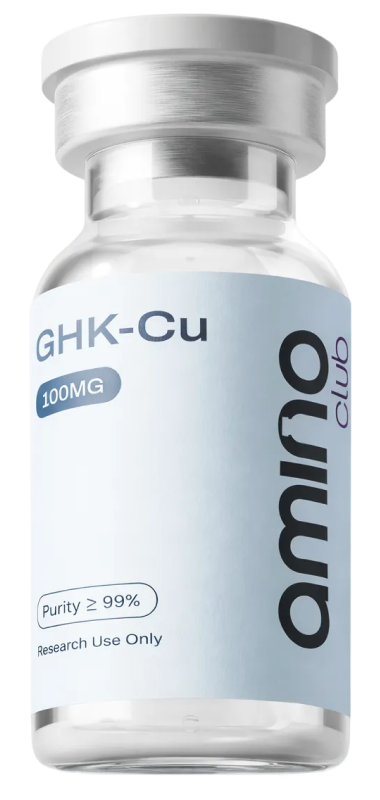
GHK-Cu
Anti-Aging Compound
Transparency: Some links are affiliate links. If you purchase through these links, we earn a commission at no extra cost to you. This allows us to maintain independent testing. Our recommendations are never influenced by commissions.
Introduction: Why the Safety Question Matters
Collagen peptides are among the most popular dietary supplements in the world. The market, valued at several billion dollars, continues to grow as more consumers seek to improve the health of their skin, joints, and bones. But this popularity comes with a legitimate question: are collagen peptides dangerous?
Consumers are becoming increasingly vigilant about supplement safety — and that's a very good thing. To understand what collagen peptides actually are, check out our complete guide to peptides.
This article provides an objective, science-based analysis of the documented side effects, medical contraindications, product quality risks, and myths worth debunking. Our goal: to give you all the information you need to make an informed decision.
Disclaimer: This article is for informational purposes only and does not constitute medical advice. Please review our medical disclaimer and speak with your healthcare provider before starting or modifying any supplementation.
What Science Says About Collagen Peptide Safety
The scientific literature is largely reassuring regarding the safety of hydrolyzed collagen peptides. Several systematic reviews and meta-analyses have evaluated their safety profile.
A systematic review published in the Journal of Drugs in Dermatology (2019), analyzing 11 studies involving over 800 participants, concluded that oral collagen peptide supplementation is well-tolerated, with adverse effects that are rare and generally mild (Choi et al., 2019).
The European Food Safety Authority (EFSA) has evaluated hydrolyzed collagen and identified no major safety concerns at commonly consumed doses (2.5 to 15 g/day). Similarly, the U.S. FDA grants GRAS (Generally Recognized as Safe) status to hydrolyzed collagen for food use.
However, "safe" does not mean "zero risk." Like any dietary supplement, collagen peptides can cause adverse effects in some individuals, and their use is not recommended in certain specific medical situations. To better understand how they work, explore our guide to the top 10 collagen peptides.
Pharmacovigilance Data
The FDA's Adverse Event Reporting System (FAERS) and European pharmacovigilance databases have recorded a limited number of reports related to collagen supplements. Most reported cases involve mild digestive issues or allergic reactions in predisposed individuals. No deaths or serious adverse events have been directly attributed to hydrolyzed collagen peptides in these databases.
Known Side Effects of Collagen Peptides
1. Digestive Issues
The most commonly reported side effects are gastrointestinal:
- Bloating and gas: related to fermentation of amino acids in the gut, particularly during the first weeks of use.
- Feeling of heaviness or fullness: as collagen peptides are proteins, high doses can cause digestive discomfort.
- Mild diarrhea or constipation: reported occasionally in clinical studies, usually transient.
- Nausea: primarily associated with the taste or smell of marine-sourced products.
These symptoms are generally dose-dependent and tend to resolve after a few days of regular use. Starting with a lower dose and gradually increasing is a commonly recommended strategy.
2. Allergic Reactions
Allergic risk is the most serious potential adverse effect:
- Marine protein allergies: marine-sourced collagen peptides (fish, shellfish) can trigger reactions in people allergic to seafood. Cases of urticaria, angioedema, and rarely, anaphylactic reactions have been documented (Kuehn et al., 2014).
- Bovine or porcine protein allergies: rarer, but possible in people with alpha-gal syndrome or specific animal protein sensitivities.
- Contact dermatitis: reported mainly with topical cosmetic products containing collagen. Learn more in our article on peptides in cosmetics.
3. Hypercalcemia Risk
Some collagen sources, particularly those derived from shark cartilage or marine bones, may contain significant amounts of calcium. Excessive and prolonged consumption could theoretically contribute to hypercalcemia (abnormally high blood calcium levels), especially in people already taking calcium or vitamin D supplements.
Symptoms of hypercalcemia include fatigue, nausea, constipation, abdominal pain, and in severe cases, kidney stones. This risk remains low with purified hydrolyzed collagen peptides.
4. Taste Disturbances
A persistent unpleasant aftertaste is reported by some users, particularly with marine-sourced collagen. While not a "danger" per se, it is a side effect that can affect treatment adherence and daily quality of life.
Contraindications: Who Should Avoid Collagen Peptides?
Animal Protein Allergies
Anyone with a confirmed allergy to fish, shellfish, beef, or pork must choose a compatible collagen source or avoid supplementation entirely. Hydrolyzed collagen peptides retain residual allergenic potential, even though the hydrolysis process reduces protein size.
Kidney Disease
People with chronic kidney disease should exercise particular caution. Collagen peptides are rich in hydroxyproline, an amino acid whose metabolism produces oxalate. Additional protein load can also increase kidney workload. Any supplementation should be discussed with a nephrologist.
Pregnancy and Breastfeeding
As a precautionary measure, collagen peptide supplementation is generally not recommended during pregnancy and breastfeeding — not because data demonstrates harm, but due to the lack of sufficient clinical studies in this population. Pregnant or breastfeeding women should consult their doctor before any supplementation.
Histamine Intolerance
Collagen, as a fermented or aged animal protein, may contain or promote the release of histamine. People suffering from histamine intolerance or mastocytosis may see their symptoms worsen (headaches, flushing, digestive issues).
Specific Dietary Requirements
Since collagen is exclusively animal-derived, it is incompatible with a vegan diet. Plant-based alternatives exist (collagen boosters based on vitamin C, silicon, etc.) but these are not true collagen peptides.
Potential Drug Interactions
Documented drug interactions with collagen peptides are few, but some deserve attention:
Antibiotics (Quinolones and Tetracyclines)
Calcium present in some collagen supplements (particularly bone or marine-derived) can reduce the absorption of quinolone antibiotics (ciprofloxacin, levofloxacin) and tetracyclines. A gap of at least 2 hours between doses is recommended.
Osteoporosis Medications (Bisphosphonates)
Similarly, calcium-containing supplements can interfere with the absorption of bisphosphonates (alendronate, risedronate). A dosing interval is advised.
Anticoagulants
Although no direct interaction is confirmed, some preliminary studies suggest that marine collagen peptides may have a mild effect on platelet aggregation. Patients on anticoagulants (warfarin, heparin) should inform their doctor about their supplementation.
Calcium and Vitamin D Supplements
Combining calcium-rich collagen peptides with calcium and/or vitamin D supplements increases the risk of hypercalcemia. Monitoring blood calcium levels may be warranted in such cases.
When in doubt, always seek advice from your pharmacist or doctor before combining collagen peptides with any ongoing medical treatment.
Quality and Contamination Risks
The most concrete danger associated with collagen peptides lies not in the molecule itself, but in the variable quality of products available on the market.
Heavy Metal Contamination
Marine-sourced collagen may contain traces of heavy metals (mercury, lead, cadmium, arsenic), particularly when extracted from fish in polluted waters. A study published in the International Journal of Environmental Research and Public Health identified detectable levels of heavy metals in some commercially available collagen supplements (Hwang et al., 2020).
Microbiological Contamination
Inadequately controlled manufacturing conditions can lead to contamination by bacteria or molds. This risk is higher for products imported from countries with less stringent manufacturing standards.
Misleading Claims and Underdosing
Some products display collagen quantities that do not match actual content. Independent analyses have revealed significant discrepancies between stated and measured doses in certain supplements (ConsumerLab, 2023).
Problematic Additives
Some collagen supplements contain potentially concerning additives: artificial sweeteners, colorings, synthetic flavors, or preservatives to which some people may be sensitive. Always carefully read the ingredient list.
How to Identify a Quality Product
- Look for third-party certifications (NSF, Informed Sport, ISO certifications).
- Choose brands that publish Certificates of Analysis (COA) for each batch.
- Verify the geographic origin of the collagen and sustainable sourcing practices for marine collagen.
- In the US, check for cGMP compliance; in the EU, ensure conformity with EFSA regulations.
Myths vs. Facts: Debunking Unfounded Fears
Myth 1: "Collagen causes cancer"
Fact: No scientific study has established a link between consuming hydrolyzed collagen peptides and increased cancer risk. This fear stems from a confusion with research showing that collagen plays a role in the tumor microenvironment — but this concerns endogenous collagen (produced by the body), not ingested supplements. Collagen peptides are digested into amino acids and dipeptides that do not stimulate tumor growth (Sato et al., 2017).
Myth 2: "Collagen causes kidney stones"
Fact: Collagen contains hydroxyproline, a precursor to oxalate. However, at recommended doses (5-15 g/day), the increase in urinary oxalate excretion remains modest and does not constitute a significant risk factor for kidney stones in people with healthy kidney function. Those with a history of calcium oxalate stones should nonetheless exercise caution (Knight et al., 2007).
Myth 3: "Oral collagen is useless — it's destroyed by digestion"
Fact: Hydrolyzed collagen peptides are specifically designed to be bioactive after digestion. Pharmacokinetic studies have demonstrated that dipeptides such as prolyl-hydroxyproline (Pro-Hyp) are absorbed intact into the blood and reach the skin and joints (Iwai et al., 2005). Efficacy is not a myth, although results vary from person to person.
Myth 4: "Collagen is dangerous for the liver"
Fact: There is no scientific evidence that hydrolyzed collagen peptides are hepatotoxic. The amino acids from collagen digestion (glycine, proline, hydroxyproline) are normal components of hepatic metabolism. Glycine has even demonstrated hepatoprotective properties in some experimental models.
Myth 5: "More collagen is always better"
Fact: There is a ceiling of efficacy. Beyond 15 g/day, additional benefits are not demonstrated, while the risk of digestive side effects increases. Follow the dosages recommended by the manufacturer and your healthcare provider.
How to Use Collagen Peptides Safely
To minimize risks and maximize the potential benefits of collagen peptides, follow these recommendations:
1. Consult a Healthcare Professional
Before starting any supplementation, talk to your doctor, especially if you:
- Are pregnant or breastfeeding
- Have kidney or liver disease
- Have known food allergies
- Take prescription medications
- Have a history of kidney stones
2. Start Gradually
Begin with a half dose during the first week, then gradually increase to the full dose. This allows your digestive system to adapt and reduces the risk of gastrointestinal side effects.
3. Choose a Quality Product
Prioritize products that are:
- Certified by independent organizations
- Backed by available Certificates of Analysis
- Manufactured under Good Manufacturing Practice (GMP) standards
- Free from unnecessary additives
4. Follow Recommended Dosages
The generally recommended dosage is 2.5 to 15 g per day, depending on the indication. Do not exceed the dose stated on the product without medical advice.
5. Monitor Your Reactions
During the first few weeks, watch for the following signs:
- Skin rash, itching, or swelling (allergic reaction)
- Persistent digestive issues
- Unusual headaches
- Persistent metallic taste
If you notice any suspicious reaction, stop taking the supplement and consult your doctor. For an overview of peptides and their applications, see our collagen peptide guide.
6. Inform Your Pharmacist
Always mention your collagen supplementation to your pharmacist when picking up prescriptions, so they can check for potential interactions.
Frequently Asked Questions
Find below the answers to the most common questions about collagen peptide dangers and side effects.
Frequently Asked Questions
Are collagen peptides dangerous for your health?
Can you take collagen every day without risk?
Is marine collagen more dangerous than bovine collagen?
Can collagen peptides cause acne?
Are there interactions between collagen and medications?
At what age can you start taking collagen peptides?
Sources
- Choi FD, Sung CT, Juhasz ML, Mesinkovska NA (2019). Oral Collagen Supplementation: A Systematic Review of Dermatological Applications. Journal of Drugs in Dermatology, 18(1), 9-16.
- Iwai K, Hasegawa T, Taguchi Y, et al. (2005). Identification of food-derived collagen peptides in human blood after oral ingestion of gelatin hydrolysates. Journal of Agricultural and Food Chemistry, 53(16), 6531-6536.
- Kuehn A, Hilger C, Hentges F (2014). Anaphylaxis provoked by ingestion of hydrolyzed fish collagen. Journal of Allergy and Clinical Immunology, 133(2), 592-594.
- Knight J, Jiang J, Assimos DG, Holmes RP (2007). Hydroxyproline ingestion and urinary oxalate and glycolate excretion. Kidney International, 70(11), 1929-1934.
- Sato K, Asai TT, Jimi S (2017). Collagen-derived dipeptide, prolyl-hydroxyproline (Pro-Hyp): A new low molecular weight growth-initiating factor for specific cells. Journal of Photochemistry and Photobiology B: Biology, 170, 207-211.
- Hwang E, Lee DG, Park SH, et al. (2020). Heavy metal contamination in marine collagen supplements: A safety concern. International Journal of Environmental Research and Public Health, 17(4), 1282.
- León-López A, Morales-Peñaloza A, Martínez-Juárez VM, et al. (2019). Hydrolyzed Collagen—Sources and Applications. Molecules, 24(22), 4031.
- de Miranda RB, Weimer P, Rossi RC (2021). Effects of hydrolyzed collagen supplementation on skin aging: A systematic review and meta-analysis. International Journal of Dermatology, 60(12), 1449-1461.