- Klow Peptide is a blend of 4 research peptides: BPC-157, TB-500, GHK-Cu, and KPV.
- Each component targets a distinct biological mechanism: tissue repair, wound healing, cellular regeneration, and inflammation modulation.
- KPV (a tripeptide derived from alpha-MSH) is the distinguishing element of Klow compared to Glow — it provides powerful anti-inflammatory action.
- The combination of these 4 peptides aims to achieve a synergistic effect greater than the sum of each individual component.
- Klow Peptide is a research product — it is not approved as a medication by health authorities.
- Consult a healthcare professional before any use. This guide is for informational purposes only.
Recommended products
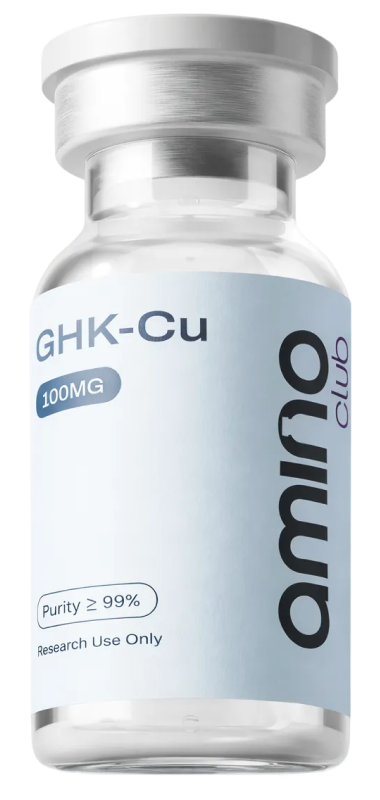
GHK-Cu
Anti-Aging Compound
Bacteriostatic Water
Supplies
Transparency: Some links are affiliate links. If you purchase through these links, we earn a commission at no extra cost to you. This allows us to maintain independent testing. Our recommendations are never influenced by commissions.
Introduction
Klow Peptide represents an innovative approach in the field of research peptides: rather than using a single peptide, it combines four peptides with complementary mechanisms of action into a single blend. The goal: to maximize therapeutic potential through synergy between components.
The Klow blend brings together BPC-157 (tissue repair), TB-500 (wound healing and joint mobility), GHK-Cu (cellular regeneration and anti-aging), and KPV (inflammation modulation). This last component — KPV — is what sets Klow apart from the Glow blend.
This guide details the composition of Klow Peptide, the mechanisms of action of each component, the rationale behind their combination, and the potential applications identified by research. As with all research peptides, the information presented here is educational in nature and does not constitute medical advice.
Klow Blend Composition
Klow Peptide is formulated from four peptides selected for their complementarity:
| Peptide | Type | Number of AA | Primary Role |
|---|---|---|---|
| BPC-157 | Gastric pentadecapeptide | 15 | Tissue repair, cytoprotection |
| TB-500 | Thymosin Beta-4 fragment | 43 | Wound healing, joint mobility |
| GHK-Cu | Copper tripeptide | 3 | Regeneration, collagen synthesis |
| KPV | Tripeptide (α-MSH fragment) | 3 | Anti-inflammation, immunomodulation |
The rationale behind this formulation is based on a multi-target approach: each peptide acts on a distinct aspect of the repair and regeneration process, creating an overall synergistic effect.
BPC-157: Tissue Repair
BPC-157 (Body Protection Compound-157) is a synthetic pentadecapeptide of 15 amino acids, derived from a protein naturally found in human gastric juice. It is the most widely studied tissue repair peptide in the preclinical literature.
Mechanisms of action:
- Angiogenesis stimulation: BPC-157 activates the VEGF (vascular endothelial growth factor) pathway, promoting the formation of new blood vessels and improving nutrient supply to damaged tissues.
- NO system modulation: It regulates nitric oxide synthesis, contributing to vascular protection and inflammation reduction.
- FAK-paxillin pathway activation: This activation accelerates cell migration and fibroblast adhesion toward injured areas.
Research findings: Over 100 preclinical studies document the effects of BPC-157. The most significant results involve tendon, ligament, and muscle repair, as well as gastrointestinal mucosal protection. A phase II human trial was initiated for ulcerative colitis, with encouraging preliminary results.
Role in the Klow blend: BPC-157 forms the tissue repair backbone of the blend. It provides the angiogenic signal and cell migration factors that accelerate healing.
TB-500: Healing and Mobility
TB-500 is a synthetic fragment of Thymosin Beta-4, a 43-amino acid protein naturally present in most human tissues. Thymosin Beta-4 is one of the primary regulators of actin, a structural protein fundamental to cell mobility and division.
Mechanisms of action:
- G-actin sequestration: TB-500 binds to monomeric actin (G-actin) and regulates its polymerization into actin filaments (F-actin). This process is essential for cell migration, new blood vessel formation, and wound healing.
- Cell migration stimulation: By modulating the actin cytoskeleton, TB-500 promotes the movement of keratinocytes, endothelial cells, and fibroblasts toward injury sites.
- Anti-inflammatory properties: TB-500 reduces the production of pro-inflammatory cytokines (IL-1β, TNF-α) and modulates the local inflammatory response.
Research findings: Studies on TB-500 show promising effects on skin wound healing, post-infarction cardiac repair (murine models), muscle injury recovery, and improved joint mobility. Thymosin Beta-4 itself has been the subject of clinical trials for corneal wound healing.
Role in the Klow blend: TB-500 complements BPC-157 by acting on the cellular cytoskeleton. Where BPC-157 stimulates angiogenesis and the repair signal, TB-500 facilitates the physical migration of cells toward damaged areas.
GHK-Cu: Regeneration and Anti-Aging
GHK-Cu (glycyl-L-histidyl-L-lysine copper) is a tripeptide naturally present in human blood plasma, saliva, and urine. Discovered in 1973 by Loren Pickart, it is one of the best-characterized peptides for its regenerative properties.
Mechanisms of action:
- Collagen stimulation: GHK-Cu activates fibroblasts and stimulates the synthesis of type I and type III collagen. Studies show a 70% increase in collagen production in vitro.
- Antioxidant activity: It strengthens endogenous antioxidant systems by increasing the expression of superoxide dismutase (SOD), catalase, and glutathione.
- Extracellular matrix remodeling: GHK-Cu modulates the expression of over 4,000 genes, many of which are involved in tissue remodeling, stress response, and apoptosis.
- Copper transport: Copper is an essential cofactor for lysyl oxidase (collagen cross-linking) and several antioxidant enzymes. GHK-Cu ensures its efficient transport to target cells.
Research findings: Unlike the other peptides in the blend, GHK-Cu has clinical data in humans via topical application. Studies have shown improvements in skin density, thickness, and firmness, reduction of fine lines, and accelerated post-surgical healing.
Role in the Klow blend: GHK-Cu brings the regenerative and anti-aging dimension to the blend. It complements the repair action of BPC-157 and TB-500 by stimulating extracellular matrix reconstruction and protecting cells against oxidative stress.
KPV: Anti-Inflammation
KPV is a tripeptide (Lysine-Proline-Valine) corresponding to the C-terminal fragment of alpha-melanocortin (α-MSH, alpha-melanocyte stimulating hormone). It is the component that distinguishes Klow Peptide from Glow Peptide.
Mechanisms of action:
- NF-κB inhibition: KPV inhibits the activation of nuclear factor kappa-B (NF-κB), the master regulator of the inflammatory response. By blocking the nuclear translocation of NF-κB, KPV suppresses the transcription of numerous pro-inflammatory genes.
- Pro-inflammatory cytokine reduction: It decreases the production of IL-1β, IL-6, IL-8, and TNF-α, the main mediator molecules of inflammation.
- Immune modulation: KPV modulates the immune response without suppressing it — it reduces excessive inflammation while preserving the body's defense capacity.
- Antimicrobial properties: Studies have shown that KPV possesses direct antimicrobial activity against certain bacteria, notably Staphylococcus aureus.
Research findings: KPV has been studied primarily in models of intestinal inflammation (colitis), skin inflammation, and joint inflammation. A study by Dalmasso et al. (2008) showed a significant reduction in colonic inflammation in a murine model, with improved histological scores. In vitro studies on human keratinocytes show a reduction in inflammatory cytokine production of over 50%.
Role in the Klow blend: KPV is the distinguishing element of Klow. It provides powerful anti-inflammatory modulation that complements the repair and regeneration actions of the other three peptides. Since chronic inflammation is an aggravating factor in most tissue injuries, the presence of KPV aims to create an optimal anti-inflammatory environment for repair.
The Synergistic Effect of the Blend
The fundamental advantage of Klow Peptide lies in the synergy between its four components. Each peptide targets a distinct aspect of the tissue repair process, and their combination aims for an effect greater than the sum of each individual component.
The 4-phase repair model:
- Anti-inflammatory phase (KPV): KPV reduces excessive inflammation that hinders the healing process. By inhibiting NF-κB and pro-inflammatory cytokines, it creates an environment conducive to repair.
- Vascular phase (BPC-157): BPC-157 stimulates angiogenesis via the VEGF pathway, ensuring the supply of oxygen and nutrients needed for tissue reconstruction.
- Migratory phase (TB-500): TB-500 facilitates the migration of repair cells (fibroblasts, endothelial cells) toward the damaged area by modulating the actin cytoskeleton.
- Reconstruction phase (GHK-Cu): GHK-Cu stimulates collagen synthesis and extracellular matrix remodeling, consolidating the repair and restoring tissue structure.
Complementary pathways: The four peptides act through distinct signaling pathways — NF-κB (KPV), VEGF/NO (BPC-157), actin/cytoskeleton (TB-500), and matrix remodeling genes (GHK-Cu). This diversity of targets reduces the risk of redundancy and maximizes coverage of repair mechanisms.
It is important to note that the synergy between these peptides is a theoretical concept based on the complementarity of mechanisms. Specific studies on the combination of these four peptides together have not yet been conducted. The effectiveness of the blend remains to be validated by clinical research.
Applications and Potential Benefits
Based on the individual properties of each component and their theoretical complementarity, Klow Peptide could be of interest in several areas:
Muscle and joint recovery: The combination of BPC-157 (tendon/ligament repair) + TB-500 (joint mobility) + KPV (anti-inflammation) makes it a blend particularly studied in the context of sports recovery and musculoskeletal injuries.
Gastrointestinal health: BPC-157 is originally a gastric peptide with documented cytoprotective properties. Combined with KPV, whose intestinal anti-inflammatory effects have been demonstrated in colitis models, Klow could be of interest for digestive health.
Skin regeneration: GHK-Cu is recognized for its skin regeneration properties. Combined with TB-500 (wound healing) and KPV (skin anti-inflammation), the blend could support skin repair processes.
Chronic inflammation: The presence of KPV gives Klow a pronounced anti-inflammatory dimension. In situations where chronic inflammation is a major factor, Klow offers a potentially more suitable profile than Glow (which does not contain KPV).
Important: These applications are based on the individual properties of components studied in preclinical research. Klow Peptide as a specific blend has not been the subject of clinical trials. Consult a healthcare professional before any consideration of use.
Safety Profile
The safety of Klow Peptide must be assessed based on the profile of each individual component:
BPC-157: Preclinical studies report a very favorable toxicity profile, with no mortality or significant organ toxicity observed, even at doses above therapeutic levels. No mutagenic or genotoxic effects have been reported.
TB-500: The Thymosin Beta-4 fragment presents a comparable safety profile. Animal studies have not revealed significant toxicity. Complete Thymosin Beta-4 has been the subject of clinical trials (corneal wound healing) with a good tolerability profile.
GHK-Cu: Being a peptide naturally present in the body, GHK-Cu benefits from a long safety track record, both in topical application (cosmetics) and in preclinical research. Clinical studies in dermatology confirm excellent tolerability.
KPV: As a fragment of alpha-MSH, an endogenous hormone, KPV inherits a theoretically favorable safety profile. Preclinical studies have not reported significant adverse effects.
Limitations:
- The interaction between the four peptides in a single blend has not been formally studied from a toxicological standpoint.
- Long-term safety data in humans are nonexistent for this specific blend.
- Effects on vulnerable populations (pregnant women, children, immunocompromised individuals) are unknown.
- Potential drug interactions have not been evaluated.
This blend is strictly intended for research purposes. Any use should be conducted under the supervision of a qualified healthcare professional.
Dosage and Usage of Klow Peptide
The dosage of Klow Peptide varies depending on research protocols and objectives. As a blend of 4 peptides, the dosing takes into account the concentration of each component.
Dosages reported in the research literature:
| Component | Typical Dosage (research) | Frequency |
|---|---|---|
| BPC-157 | 200-500 µg | 1-2x per day |
| TB-500 | 2-5 mg | 2x per week (loading phase) |
| GHK-Cu | 200-500 µg | 1x per day |
| KPV | 200-500 µg | 1x per day |
Reported protocols:
- Loading phase (weeks 1-4): Daily administration at the higher dosages to establish tissue levels.
- Maintenance phase (weeks 5+): Reduced frequency to 3-5 times per week, with adjusted dosages.
- Cycles: Some protocols suggest cycles of 8-12 weeks with rest periods.
Studied routes of administration:
- Subcutaneous injection: The most commonly used route in research protocols, offering high bioavailability.
- Oral administration: BPC-157 exhibits unique gastric stability among peptides, making oral administration possible for this specific component.
Important warning: These dosages come from research literature and experimental protocols. Klow Peptide is not approved for human use by health authorities. No dosage is "official" or "recommended." Any use must be supervised by a qualified healthcare professional.
Who Is Klow Peptide For?
Klow Peptide is primarily intended for individuals interested in peptide research in the context of:
- Advanced sports recovery: Active individuals seeking support for muscle and joint recovery, under medical supervision.
- Inflammation management: KPV makes Klow the preferred choice when the inflammatory component is predominant. If chronic inflammation is a major factor, Klow offers a more comprehensive anti-inflammatory profile than Glow.
- A holistic approach to regeneration: Individuals interested in a multi-target approach combining repair, anti-inflammation, and cellular regeneration.
Klow vs Glow — in summary:
The question “Klow or Glow?” comes up frequently. The main difference is the presence of KPV in Klow. If you are specifically looking for anti-inflammatory support in addition to repair and regeneration, Klow is the logical choice. If your priority is repair and regeneration without a specific anti-inflammatory component, Glow may suffice. For a detailed comparison, see our article Klow vs Glow.
Important reminder: Klow Peptide is a research product, not approved as a medication. The information contained in this article is for educational purposes. Always consult a qualified healthcare professional before making any decisions regarding your health.
Sources
- Sikiric P, Hahm KB, Blagaic AB, et al. (2023). Stable gastric pentadecapeptide BPC 157, Robert's cytoprotection, Selye's stress coping response, and Szabo's chemical coding. Current Pharmaceutical Design, 29(9), 692-715.
- Goldstein AL, Hannappel E, Sosne G, Kleinman HK. (2012). Thymosin β4: a multi-functional regenerative peptide. Basic properties and clinical applications. Expert Opinion on Biological Therapy, 12(1), 37-51.
- Pickart L, Vasquez-Soltero JM, Margolina A. (2015). GHK peptide as a natural modulator of multiple cellular pathways in skin regeneration. BioMed Research International, 2015, 648108.
- Dalmasso G, Charrier-Hisamuddin L, Nguyen HTT, et al. (2008). PepT1-mediated tripeptide KPV uptake reduces intestinal inflammation. Gastroenterology, 134(1), 166-178.
- Gwyer D, Wragg NM, Wilson SL. (2019). Gastric pentadecapeptide body protection compound BPC 157 and its role in accelerating musculoskeletal soft tissue healing. Cell and Tissue Research, 377(2), 153-159.
- Brancato SK, Albina JE. (2011). Wound macrophages as key regulators of repair: origin, phenotype, and function. The American Journal of Pathology, 178(1), 19-25.