- Matrixyl 3000 (palmitoyl tetrapeptide-7 + palmitoyl tripeptide-1) works by stimulating the synthesis of collagen and extracellular matrix components in the dermis.
- Argireline (acetyl hexapeptide-3) inhibits neurotransmitter release at the neuromuscular junction, reducing the contraction of muscles responsible for expression lines.
- Matrixyl is more effective on static wrinkles caused by collagen loss, while Argireline excels on dynamic wrinkles (forehead, crow's feet, frown lines).
- Both peptides are very well tolerated by all skin types, including sensitive skin, with no photosensitivity or adjustment period.
- Combining Matrixyl and Argireline in the same routine is not only possible but recommended, as their complementary mechanisms produce a synergistic anti-wrinkle effect.
Recommended products
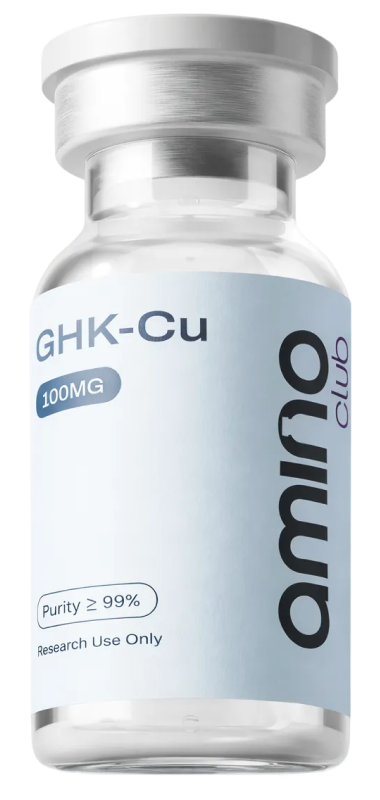
GHK-Cu
Anti-Aging Compound
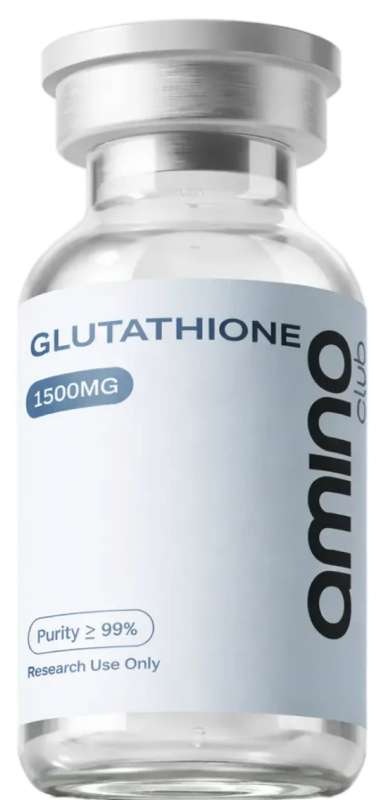
Glutathione
Antioxidant Compound
Transparency: Some links are affiliate links. If you purchase through these links, we earn a commission at no extra cost to you. This allows us to maintain independent testing. Our recommendations are never influenced by commissions.
Introduction
Among the dozens of peptides used in skincare, two names consistently come up in conversations among skincare enthusiasts: Matrixyl and Argireline. These two peptides have become staples in anti-wrinkle serums and creams, yet they work through radically different mechanisms.
Matrixyl, developed by the French laboratory Sederma, is a signal peptide that stimulates the reconstruction of the dermal extracellular matrix. Argireline, created by the Spanish laboratory Lipotec (now Lubrizol), is a neuromodulating peptide that reduces the muscular contractions responsible for expression lines — hence its nickname "Botox in a cream."
But which one is more effective? Are they suited to the same types of wrinkles? Can — and should — they be used together? In this article, we dissect each peptide from a scientific perspective, compare their clinical performance and help you build an optimal anti-wrinkle routine.
Matrixyl 3000 in detail
Matrixyl 3000 is the second generation of the original Matrixyl (palmitoyl pentapeptide-4, also known as Matrixyl™). This improved version combines two peptides in a single complex: palmitoyl tripeptide-1 (Pal-GHK) and palmitoyl tetrapeptide-7 (Pal-GQPR). Their combination creates a synergy that amplifies results compared to each peptide used alone.
Palmitoyl tripeptide-1 is a biomimetic fragment of type I collagen. By interacting with the TGF-β receptor on fibroblasts, it triggers a signaling cascade that stimulates the production of collagen types I, III and IV, as well as fibronectin and glycosaminoglycans. The result is an overall strengthening of the dermal extracellular matrix, the supporting tissue that gives skin its firmness and elasticity.
Palmitoyl tetrapeptide-7, on the other hand, acts through a different lever: it reduces the production of interleukin-6 (IL-6), a pro-inflammatory cytokine involved in the chronic degradation of collagen associated with aging. This low-grade inflammation, known as "inflammaging," is now recognized as a major driver of skin aging. By modulating it, palmitoyl tetrapeptide-7 protects existing collagen while enabling palmitoyl tripeptide-1 to stimulate the production of new collagen.
The palmitic chain (palmitic acid) grafted onto these peptides is not insignificant: it considerably improves their lipophilicity, which facilitates their penetration through the stratum corneum, which is naturally hydrophobic. Without this modification, the peptides — naturally hydrophilic — would struggle to cross the skin barrier in sufficient quantity to reach the dermis.
Note: there is also a Matrixyl Morphomics™ (latest generation), which specifically targets dermal stem cells for an even deeper action. However, clinical data on this version are still limited.
Argireline in detail
Argireline (INCI name: acetyl hexapeptide-3 or acetyl hexapeptide-8) is a synthetic hexapeptide that replicates part of the sequence of the SNAP-25 protein, an essential component of the SNARE complex involved in neurotransmitter release at the neuromuscular junction.
To understand its mechanism, a brief physiological reminder is in order. Expression lines — those creases that form on the forehead, between the eyebrows (frown lines) and around the eyes (crow's feet) — result from the repeated contraction of facial muscles. Each contraction is triggered by the release of acetylcholine at the neuromuscular junction. This release requires the fusion of synaptic vesicles with the cell membrane, a process orchestrated by the SNARE protein complex (composed of SNAP-25, syntaxin and VAMP).
Argireline interferes with the assembly of this complex by mimicking the N-terminal segment of SNAP-25. By binding competitively, it prevents the complete formation of the SNARE complex, thereby reducing the amount of acetylcholine released. The result: a partial relaxation of facial muscles and a reduction in the depth of expression lines. The principle is similar to that of botulinum toxin (Botox), but through a different mechanism and with lesser intensity.
Several studies have quantified this effect:
- Application of 10% Argireline for 30 days reduced wrinkle depth by an average of 30% in a clinical study conducted by Lipotec.
- A comparative study showed that Argireline reduced forehead wrinkles by 17% after 15 days and 27% after 30 days, measured by optical profilometry.
- The effect is dose-dependent: concentrations of 5 to 10% show the best results, while concentrations below 2% produce modest effects.
Unlike Botox, Argireline is not a drug and its application is strictly topical. Its effect is reversible and gradually fades when use is discontinued, with no risk of muscle atrophy or a "frozen" look. This is a major advantage for those who wish to reduce their expression lines while maintaining natural facial expressiveness.
Mechanism comparison
Matrixyl and Argireline tackle wrinkles through fundamentally different biological pathways. Understanding this distinction is essential for choosing the peptide suited to your specific concerns.
| Feature | Matrixyl 3000 | Argireline |
|---|---|---|
| Classification | Signal / matrix peptide | Neuromodulating peptide |
| Cellular target | Dermal fibroblasts | Neuromuscular junction |
| Primary mechanism | Stimulation of collagen synthesis and extracellular matrix | Inhibition of acetylcholine release, muscle relaxation |
| Type of wrinkles targeted | Static wrinkles (volume loss, sagging) | Dynamic wrinkles (expression, contraction) |
| Effective areas | Entire face, neck, decolletage | Forehead, eye contour, frown lines |
| Effective concentration | 2% to 8% | 5% to 10% |
| Onset of action | 8 to 12 weeks | 2 to 4 weeks |
Static wrinkles are those visible even at rest, when the face is relaxed. They result primarily from the degradation of collagen and elastin in the dermis, the loss of subcutaneous volume and the effects of gravity. Matrixyl, by rebuilding the extracellular matrix, directly addresses the cause of these wrinkles.
Dynamic wrinkles, on the other hand, are caused by repetitive movements of the facial muscles: frowning, squinting, smiling. They gradually become permanent as the skin loses its ability to "bounce back." Argireline reduces the intensity of these contractions, limiting the formation and deepening of these wrinkles.
In reality, most facial wrinkles have both a static and dynamic component. Forehead wrinkles, for example, are carved by contraction of the frontalis muscle (dynamic component) but worsen with age-related collagen loss (static component). This is why combining both peptides is particularly relevant: each addresses a different dimension of the same problem.
Clinical efficacy
Both peptides benefit from solid clinical data, although their volume and nature differ considerably. Let us examine the available evidence for each.
Studies on Matrixyl:
The landmark study on the original Matrixyl (palmitoyl pentapeptide-4) was published in 2005 in the International Journal of Cosmetic Science by Robinson et al. This double-blind, placebo-controlled study showed that topical application of palmitoyl pentapeptide-4 for 12 weeks significantly reduced wrinkle surface area (up to a 36% reduction), wrinkle depth and skin roughness, with results comparable to those of retinol 0.07% but without any irritation.
Studies conducted by Sederma on Matrixyl 3000 (the synergistic combination) confirmed a 190% increase in type I collagen synthesis and an 80% increase in type IV collagen in vitro. In vivo, a significant improvement in skin volume and density was measured by profilometry and high-frequency ultrasound after 2 months of twice-daily use.
Studies on Argireline:
Clinical data on Argireline come primarily from studies conducted by Lipotec/Lubrizol. The pivotal study showed a 30% reduction in periorbital wrinkles after 30 days of application at 10% in 20 volunteers, measured by FOITS (Fast Optical In-vivo Topometry of Human Skin) image analysis. An independent study published in the International Journal of Cosmetic Science in 2013 confirmed the efficacy of Argireline on forehead wrinkles, with significant improvements in skin roughness and wrinkle depth.
It is important to put these results into perspective. Argireline, when applied topically, can only reach nerve endings in limited quantities. Its efficacy therefore remains inferior to that of botulinum toxin injections, which deliver the product directly to the neuromuscular junction. Topical Argireline is best regarded as a complement or non-invasive alternative to Botox, rather than an equivalent substitute.
Clinical verdict: both peptides have proven their efficacy in controlled studies, but on different parameters. Directly comparing Matrixyl and Argireline is like comparing a foundational treatment (dermal reconstruction) to a symptomatic treatment (muscle relaxation). Both are useful, but they address different needs.
Can they be combined?
The answer is a resounding yes. Not only is the Matrixyl + Argireline combination possible, but it is widely recommended by peptide cosmetology experts. And for good reason: their complementary mechanisms create a multidimensional anti-wrinkle effect that neither peptide could achieve alone.
By combining Matrixyl and Argireline, you benefit from:
- Dermal matrix reconstruction (Matrixyl): stimulation of collagen, elastin and glycosaminoglycans to treat deep wrinkles and loss of firmness.
- Targeted muscle relaxation (Argireline): reduction of contractions responsible for expression lines, for visible results within the first few weeks.
- Anti-inflammatory protection (palmitoyl tetrapeptide-7 from Matrixyl 3000): modulation of inflammaging that protects both existing and newly formed collagen.
Many brands now offer serums that incorporate both peptides in a single formulation. This is an entirely valid approach, as there is no chemical or biological incompatibility between these two actives. They can be mixed, layered or used in the same product without any loss of efficacy.
Here is an optimal routine integrating both peptides:
- Morning: gentle cleanser → Matrixyl + Argireline serum (or Matrixyl serum alone) → moisturizer → SPF 30+.
- Evening: double cleanse → Argireline serum (expression areas) + Matrixyl serum (entire face) → restorative night cream.
To maximize results, you can also add other complementary peptides such as GHK-Cu (remodeling and healing), Syn-Ake (another neuromodulating peptide that reinforces Argireline's action) or Leuphasyl (which acts upstream of Argireline on the enkephalin signaling pathway). These multi-target "peptide cocktails" represent the future of personalized anti-aging skincare.
Conclusion
The "Matrixyl vs Argireline" debate is actually a false dilemma. These two peptides are not competitors but rather partners in the fight against skin aging. Each excels in a specific area, and their combination produces results superior to using either one alone.
If you must choose only one, here is our recommendation:
- Choose Matrixyl if your main concerns are loss of firmness, static wrinkles, skin sagging and overall skin aging. Matrixyl provides a lasting foundational action that reinforces the very structure of the dermis.
- Choose Argireline if your main concerns are pronounced expression lines (forehead, eye contour, frown lines) and you are looking for rapid results without resorting to injections.
But the optimal strategy remains to combine both. Matrixyl rebuilds while Argireline relaxes. The former acts deeply over the long term, while the latter delivers visible results within the first few weeks. Together, they cover the full spectrum of wrinkles — dynamic and static — for visibly smoother, firmer and younger-looking skin.
Whatever your choice, make sure to select products formulated with effective concentrations (minimum 2% for Matrixyl, 5% for Argireline) and featuring a stable formulation that ensures cutaneous penetration of the peptides. An overly diluted or poorly formulated serum will only produce disappointing results, regardless of the peptide it contains.
Frequently Asked Questions
What is the difference between Matrixyl and Argireline?
Can you use Matrixyl and Argireline together?
Which peptide is better for forehead wrinkles?
How long does Matrixyl take to show results?
Is Argireline really like Botox in a cream?
What concentration of Argireline is effective?
Sources
- Robinson LR, Fitzgerald NC, Pham DG, et al. (2005). Topical palmitoyl pentapeptide provides improvement in photoaged human facial skin. International Journal of Cosmetic Science, 27(3), 155-160.
- Blanes-Mira C, Clemente J, Jodas G, et al. (2002). A synthetic hexapeptide (Argireline) with antiwrinkle activity. International Journal of Cosmetic Science, 24(5), 303-310.
- Schagen SK (2017). Topical peptide treatments with effective anti-aging results. Cosmetics, 4(2), 16.
- Lintner K, Peschard O (2000). Biologically active peptides: from a laboratory bench curiosity to a functional skin care product. International Journal of Cosmetic Science, 22(3), 207-218.
- Ruiz MA, Clares B, Morales ME (2013). Evaluation of the anti-wrinkle efficacy of cosmetic formulations with an anti-aging peptide (Argireline®). Journal of Cosmetic and Laser Therapy, 15(5), 268-274.
- Gorouhi F, Maibach HI (2009). Role of topical peptides in preventing or treating aged skin. International Journal of Cosmetic Science, 31(5), 327-345.