- Your body naturally produces dozens of essential peptides, including glutathione, endorphins, insulin, and oxytocin.
- Collagen peptides, lactoferrin, and marine peptides are natural peptides from animal sources used in nutrition and cosmetics.
- Plants also produce bioactive peptides such as cyclotides, lunasin, and rubisco-derived peptides.
- Natural peptides differ from synthetic peptides in their production method, bioavailability, and safety profile.
- Diet, exercise, and sleep are the best ways to stimulate your body's natural peptide production.
Recommended products
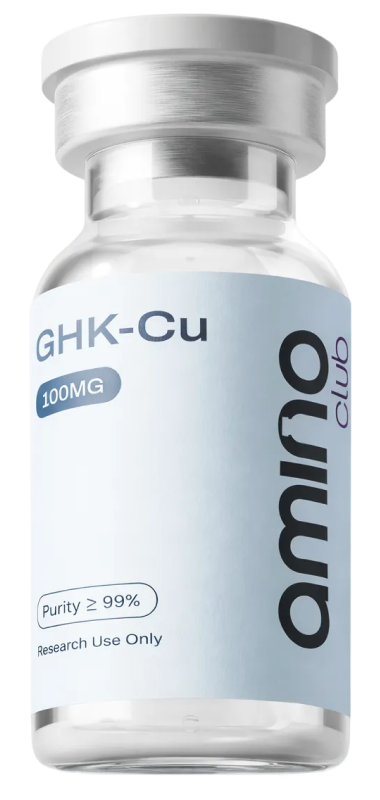
GHK-Cu
Anti-Aging Compound
Transparency: Some links are affiliate links. If you purchase through these links, we earn a commission at no extra cost to you. This allows us to maintain independent testing. Our recommendations are never influenced by commissions.
Introduction: What Is a Natural Peptide?
Natural peptides are short chains of amino acids produced by living organisms: your own body, animals, plants, and even microorganisms. Unlike synthetic peptides, manufactured in laboratories through solid-phase peptide synthesis (SPPS), natural peptides are the product of millions of years of biological evolution.
But what exactly makes a peptide "natural"? The distinction lies in its origin: a natural peptide is encoded by an organism's DNA and produced by its cells through ribosomal translation, or released through enzymatic digestion of dietary proteins. A synthetic peptide, on the other hand, is chemically assembled amino acid by amino acid in a laboratory.
This distinction matters because it influences the peptide's three-dimensional structure, its post-translational modifications, its bioavailability, and its interaction with the body. You are in constant contact with natural peptides: your body produces them, you consume them at every meal, and they play fundamental roles in virtually every biological process.
In this guide, we will explore the major natural peptides, from those your body manufactures to those found on your plate, including peptides extracted from the plant and marine worlds.
Natural Peptides Produced by the Human Body
Your body is a veritable peptide factory. Dozens of endogenous peptides constantly circulate through your blood, brain, and tissues, regulating vital functions. Here are the most important ones.
Glutathione: The Antioxidant Tripeptide
Glutathione (GSH) is a tripeptide composed of three amino acids: glutamine, cysteine, and glycine. Present in virtually every cell of the body, it is considered the primary intracellular antioxidant in the human body. Its role is to neutralize free radicals, recycle vitamins C and E, and participate in hepatic detoxification (Forman et al., 2009).
With age, oxidative stress, and certain pathologies, glutathione levels decline. This is why research focuses on ways to maintain optimal levels of this natural peptide.
Endorphins: The Feel-Good Peptides
Endorphins are endogenous opioid peptides produced by the pituitary gland and central nervous system. The term "endorphin" comes from "endogenous" and "morphine," reflecting their ability to bind to the same receptors as morphine. Beta-endorphins, the most studied, consist of 31 amino acids.
Released during physical exercise (the famous "runner's high"), laughter, music listening, or social contact, endorphins modulate pain perception and provide feelings of well-being (Sprouse-Blum et al., 2010).
Oxytocin and Vasopressin: The Social Neuropeptides
Oxytocin is a 9-amino-acid peptide produced by the hypothalamus. Often called the "love hormone," it plays a key role in bonding, social trust, childbirth, and breastfeeding. Vasopressin (or antidiuretic hormone), structurally very similar, regulates water retention and blood pressure.
These two neuropeptides perfectly illustrate how tiny chains of amino acids can exert considerable physiological effects.
Insulin: The Quintessential Peptide Hormone
Insulin is a 51-amino-acid peptide produced by the beta cells of the pancreas. It is the primary regulator of blood sugar: it allows cells to absorb blood glucose and convert it into energy. Dysfunction in insulin production or action is the cause of diabetes.
Insulin is a major historical example: its discovery in 1921 by Banting and Best revolutionized diabetes treatment and paved the way for all modern peptide research.
Defensins and Cathelicidins: Antimicrobial Peptides
Your innate immune system produces antimicrobial peptides (AMPs), including defensins and cathelicidins (such as human LL-37). These small peptides, typically 12 to 50 amino acids long, constitute a first line of defense against bacteria, viruses, and fungi (Hancock & Sahl, 2006).
They act primarily by perforating the membranes of pathogenic microorganisms. Present in the skin, mucous membranes, respiratory tract, and digestive tract, they are essential to natural immunity.
BPC (Body Protection Compound): The Gastric Peptide
BPC is a peptide naturally present in human gastric juice. BPC-157, a 15-amino-acid sequence derived from this gastric protein, is being researched for its potential tissue protection and repair properties. While research is still primarily preclinical, this peptide illustrates how the body produces protective molecules within the digestive system.
Natural Peptides From Animal Sources
Beyond your own production, many bioactive natural peptides come from animal sources. They are released during digestion of dietary proteins or industrially extracted for nutrition and cosmetics.
Collagen Peptides
Collagen is the most abundant protein in the animal kingdom. When hydrolyzed (broken down by enzymes), it produces collagen peptides of 2 to 20 amino acids, rich in glycine, proline, and hydroxyproline. These peptides are extracted from the skin, bones, and connective tissues of cattle, pigs, or fish.
Clinical studies suggest that collagen peptides may contribute to skin hydration, skin elasticity, and joint comfort when consumed regularly (Bolke et al., 2019). This is the most popular natural peptide segment in dietary supplements.
Lactoferrin and Casein-Derived Peptides
Breast milk and cow's milk contain proteins that, once digested, release remarkable bioactive peptides. Lactoferrin, a glycoprotein, generates peptides with antimicrobial and immunomodulatory properties. Caseinophosphopeptides (CPPs), derived from casein, improve calcium and zinc absorption.
Other dairy peptides, such as the lactotripeptides IPP and VPP, are being researched for their potential role in blood pressure regulation (Cicero et al., 2011). The peptides present in everyday food are often underestimated.
Marine Peptides
The marine environment is an exceptional source of bioactive peptides. Marine peptides are extracted from fish (skin, scales, bones), crustaceans, algae, and mollusks. Their structural diversity is immense, the result of adaptation to extreme environments.
Fish peptides, particularly those derived from marine collagen, have good bioavailability due to their low molecular weight. Peptides extracted from shrimp, crabs, and marine algae are being researched for their antioxidant properties and their applications in cosmetics (Cheung et al., 2015).
Natural Peptides From Plant Sources
The plant world also produces fascinating peptides, often unknown to the general public. These peptides play defensive roles for plants and have interesting properties for research.
Cyclotides: Ultra-Stable Plant Peptides
Cyclotides are cyclic mini-proteins of 28 to 37 amino acids, discovered in plant families such as violets (Violaceae), Rubiaceae (including coffee), and Cucurbitaceae. Their circular structure, stabilized by three disulfide bonds forming a "cyclic cystine knot," gives them remarkable stability against heat, enzymes, and acidic conditions (Craik et al., 2006).
Cyclotides are being studied as models for developing stable oral peptide drugs, a major challenge in modern pharmacology.
Lunasin: The Soy Peptide
Lunasin is a 43-amino-acid peptide identified in soybeans, wheat, barley, and other cereals. Discovered in 1996, it is one of the most studied dietary plant peptides. In vitro and animal research suggests antioxidant and anti-inflammatory properties, although additional clinical studies are needed to confirm these observations in humans.
Rubisco-Derived Peptides
Rubisco (ribulose-1,5-bisphosphate carboxylase/oxygenase) is the most abundant enzyme on Earth, present in all green plants where it fixes CO2 during photosynthesis. Enzymatic hydrolysis of rubisco produces bioactive peptides that are being researched for their antioxidant and antihypertensive activities.
This peptide source is particularly interesting from a food sustainability perspective, as rubisco is extracted from abundant leaves and plant by-products.
Natural vs Synthetic Peptides: Key Differences
Understanding the differences between natural and synthetic peptides is essential for making informed choices. Here are the main points of comparison.
Production Method
Natural peptides are produced by living cells (ribosomal translation of mRNA) or released through enzymatic hydrolysis of proteins. Synthetic peptides are chemically manufactured, most often by solid-phase synthesis (SPPS), amino acid by amino acid.
Post-Translational Modifications
Natural peptides often undergo modifications after synthesis: phosphorylation, glycosylation, amidation, cyclization. These modifications influence their biological activity, stability, and receptor recognition. Synthetic peptides can reproduce some of these modifications, but not all with the same fidelity.
Purity and Reproducibility
Synthetic peptides offer the advantage of controlled purity and batch-to-batch reproducibility. Natural peptides extracted from biological sources may contain impurities or vary in composition depending on the source and extraction process.
Bioavailability and Safety
Natural peptides from dietary sources benefit from a long history of human consumption. Their bioavailability depends on their size, sequence, and resistance to digestive enzymes. Synthetic peptides can be optimized for improved stability but require rigorous safety studies.
Cost and Accessibility
Dietary natural peptides (collagen, milk proteins) are generally more accessible and less expensive than research-grade synthetic peptides. However, extraction and purification of specific natural peptides can be complex and costly.
How Natural Peptides Are Extracted and Used
Natural peptide extraction employs several techniques, chosen based on the source and intended application.
Enzymatic Hydrolysis
The most common method involves using proteolytic enzymes (pepsin, trypsin, alcalase, etc.) to break down proteins into shorter peptides. This method is gentle, selective, and allows for obtaining specific bioactive peptides. It is the process used to produce collagen peptides, whey peptides, and most protein hydrolysates.
Fermentation
Some bioactive peptides are produced through microbial fermentation. Lactic acid bacteria, for example, release bioactive peptides during yogurt and cheese production. This method is being studied for producing antihypertensive peptides from dairy proteins.
Extraction and Purification
After hydrolysis, peptides are typically purified through ultrafiltration (size-based separation), chromatography, or precipitation. The choice of technique depends on the desired purity and production scale.
Applications of Natural Peptides
Natural peptides find applications in numerous fields:
- Nutrition and dietary supplements: collagen peptides, protein hydrolysates, bioactive dairy peptides.
- Cosmetics: peptides in cosmetics include natural peptides such as marine collagen peptides and silk peptides.
- Pharmaceutical research: natural peptides serve as models for developing new peptide drugs.
- Food industry: bioactive peptides are incorporated into functional foods.
How to Boost Your Natural Peptide Production
Your body has a remarkable ability to produce its own peptides. Here are the main ways to optimize this natural production.
Diet: Providing the Building Blocks
Peptides are made of amino acids. For your body to synthesize them efficiently, it needs a sufficient intake of quality protein. Foods rich in sulfur-containing amino acids (cysteine, methionine) support glutathione production. Peptides in food also provide a direct source of bioactive peptides.
Physical Exercise
Physical activity is one of the most powerful stimulants of endogenous peptide production. Exercise triggers the release of endorphins, stimulates the production of antimicrobial peptides in the skin and mucous membranes, and promotes collagen synthesis in tendons and joints.
Quality Sleep
During deep sleep, your body intensifies the production of many peptides, including growth hormone (a 191-amino-acid peptide) and glutathione. Insufficient or fragmented sleep disrupts these peptide synthesis processes.
Stress Management
Chronic stress increases cortisol production at the expense of other beneficial peptides like oxytocin and endorphins. Relaxation practices, meditation, and positive social interactions promote the release of these neuropeptides.
Moderate Sun Exposure
Sunlight stimulates the production of cathelicidin LL-37 through vitamin D synthesis in the skin. This antimicrobial peptide plays an important role in cutaneous immune defense. Moderate and sensible sun exposure can support this production.
Frequently Asked Questions About Natural Peptides
Frequently Asked Questions
What is the difference between a natural peptide and a synthetic peptide?
Do I consume natural peptides on a daily basis?
Are collagen peptides natural peptides?
What are the most important natural peptides in the human body?
Can you increase your natural peptide levels?
Are natural peptides safer than synthetic peptides?
Sources
- Forman HJ, Zhang H, Rinna A (2009). Glutathione: overview of its protective roles, measurement, and biosynthesis. Molecular Aspects of Medicine, 30(1-2), 1-12.
- Sprouse-Blum AS, Smith G, Sugai D, Parsa FD (2010). Understanding endorphins and their importance in pain management. Hawaii Medical Journal, 69(3), 70-71.
- Hancock RE, Sahl HG (2006). Antimicrobial and host-defense peptides as new anti-infective therapeutic strategies. Nature Biotechnology, 24(12), 1551-1557.
- Bolke L, Schlippe G, Gerss J, Voss W (2019). A collagen supplement improves skin hydration, elasticity, roughness, and density: results of a randomized, placebo-controlled, blind study. Nutrients, 11(10), 2494.
- Cicero AF, Gerocarni B, Laghi L, Borghi C (2011). Blood pressure lowering effect of lactotripeptides assumed as functional foods: a meta-analysis of current available clinical trials. Journal of Human Hypertension, 25(7), 425-436.
- Cheung RC, Ng TB, Wong JH (2015). Marine peptides: bioactivities and applications. Marine Drugs, 13(7), 4006-4043.
- Craik DJ, Daly NL, Bond T, Waine C (2006). Plant cyclotides: a unique family of cyclic and knotted proteins that defines the cyclic cystine knot structural motif. Journal of Molecular Biology, 294(5), 1327-1336.
- Galvez AF, de Lumen BO (1999). A soybean cDNA encoding a chromatin-binding peptide inhibits mitosis of mammalian cells. Nature Biotechnology, 17(5), 495-500.