- This glossary covers over 50 peptides across cosmetic, therapeutic and research categories.
- Each entry describes what the peptide is, what it does and its current research status.
- Peptides range from naturally occurring ones (glutathione, endorphins) to synthetic molecules (Matrixyl, Argireline).
- Research status varies widely: some peptides are FDA-approved drugs, others are purely experimental.
- This glossary is regularly updated as new research emerges.
Recommended products
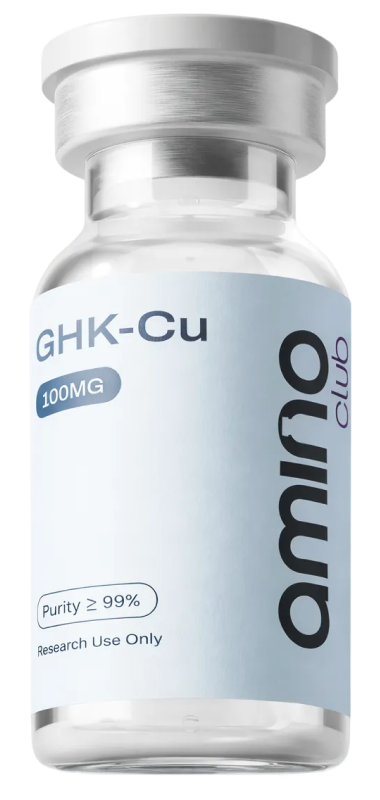
GHK-Cu
Anti-Aging Compound
Transparency: Some links are affiliate links. If you purchase through these links, we earn a commission at no extra cost to you. This allows us to maintain independent testing. Our recommendations are never influenced by commissions.
Introduction
Peptides constitute a fascinating family of molecules, situated at the intersection of biology, medicine and cosmetics. Composed of short chains of amino acids (generally between 2 and 50), they are distinguished from proteins by their smaller size while exerting remarkably powerful biological functions.
This glossary has been designed as the definitive reference on peptides. It catalogues over 50 peptides arranged alphabetically, from the best known to the most emerging. For each entry, you will find a concise definition, the main mechanisms of action and the current status of scientific research.
Whether you are interested in peptides in cosmetics, therapeutic peptides or natural peptides found in food, this glossary provides an ideal starting point. It is designed as a quick reference tool, with each entry linking to our in-depth guides where they exist.
Note: This glossary is provided for informational and educational purposes. It does not constitute medical advice. Consult a healthcare professional before any use of peptides.
Peptides A-C
Argireline (Acetyl Hexapeptide-3)
Argireline is a synthetic hexapeptide used in cosmetics for its anti-wrinkle properties. It works by partially inhibiting neurotransmitter release at the neuromuscular junction, which reduces the muscle contractions responsible for expression lines. Often nicknamed "topical Botox," it is widely used in anti-aging serums. For more details, see our complete Argireline guide.
BPC-157 (Body Protection Compound-157)
BPC-157 is a pentadecapeptide derived from a protein naturally present in human gastric juice. It is one of the most studied peptides in regenerative medicine, with over 100 preclinical studies demonstrating tissue repair properties (tendons, muscles, gastric mucosa) and inflammation modulation. No phase III clinical trial has yet been completed in humans. Discover our complete BPC-157 guide and our encyclopedic entry.
Carnosine (beta-Alanyl-L-histidine)
Carnosine is a dipeptide naturally found in muscles and the brain, composed of beta-alanine and histidine. It performs antioxidant, anti-glycation and intracellular pH buffering functions. Research is exploring its potential in protecting against cellular aging and neurodegenerative diseases, with promising preliminary human studies.
CJC-1295
CJC-1295 is a synthetic peptide analogue of GHRH (Growth Hormone Releasing Hormone) that stimulates growth hormone secretion. It comes in two forms: with or without DAC (Drug Affinity Complex), with DAC extending its plasma half-life. It is studied in the context of growth hormone deficiency and aging. See our CJC-1295 guide for more details.
Collagen peptides
Collagen peptides (or hydrolyzed collagen) are fragments of the collagen protein obtained through enzymatic hydrolysis. They stimulate endogenous collagen production by fibroblasts and are widely used in oral supplementation for skin, joint and bone health. Several human clinical trials support their efficacy. See our article on the top 10 collagen peptides and our analysis on collagen safety.
Copper peptides / GHK-Cu
GHK-Cu (glycyl-L-histidyl-L-lysine copper) is a tripeptide naturally present in blood plasma, complexed with a copper ion. It stimulates collagen synthesis, angiogenesis and wound healing, while modulating the expression of over 4,000 genes. It is used both in topical cosmetics and is the subject of research in regenerative medicine. See our GHK-Cu guide and our article on GHK-Cu and anti-aging.
CGRP (Calcitonin Gene-Related Peptide)
CGRP is a 37-amino acid neuropeptide involved in pain transmission and vasodilation. It plays a key role in the pathophysiology of migraines. The discovery of this role led to the development of anti-CGRP antibodies (erenumab, fremanezumab, galcanezumab) approved as preventive migraine treatments — a major advancement in neurology.
Cathelicidins (LL-37)
Cathelicidins are a family of antimicrobial peptides produced by the innate immune system. In humans, the main form is LL-37, a 37-amino acid peptide derived from the precursor hCAP18. LL-37 possesses broad-spectrum antibacterial, antiviral and immunomodulatory properties. It is studied as a potential anti-infective agent and in the treatment of chronic wounds. See also the LL-37 entry further in this glossary.
Peptides D-G
Defensins
Defensins are small antimicrobial peptides (18-45 amino acids) produced by epithelial cells and leukocytes. Alpha-defensins and beta-defensins are distinguished, constituting a first line of defense against bacterial, fungal and viral pathogens. They also play a role in modulating adaptive immunity. Their therapeutic potential is being explored in treating antibiotic-resistant infections.
DSIP (Delta Sleep-Inducing Peptide)
DSIP is a nonapeptide (9 amino acids) first isolated from the blood of sleeping rabbits in the 1970s. It is studied for its effects on sleep regulation, stress reduction and blood pressure normalization. Data remain essentially preclinical, and its precise mechanism of action has not yet been fully elucidated.
Endorphins
Endorphins are endogenous opioid peptides produced by the pituitary gland and central nervous system. Alpha, beta and gamma-endorphins are distinguished. Beta-endorphin, the most potent, is composed of 31 amino acids and binds to mu opioid receptors, producing analgesic, euphoric and immunomodulatory effects. Their release is stimulated by exercise, laughter and certain dietary practices.
Enkephalins
Enkephalins are small opioid pentapeptides (Met-enkephalin and Leu-enkephalin) that act as neuromodulators in the central and peripheral nervous system. They preferentially bind to delta opioid receptors and play a role in pain modulation, mood and stress response. They represent the first opioid peptides discovered (1975).
Epitalon (Epithalon)
Epitalon is a synthetic tetrapeptide (Ala-Glu-Asp-Gly) based on epithalamine, a pineal gland hormone. It is studied for its ability to stimulate telomerase activity, the enzyme that maintains telomeres at chromosome ends. Animal studies suggest a potential for slowing cellular aging and increasing longevity. Human data remain limited.
Exenatide
Exenatide is a 39-amino acid peptide, a GLP-1 analogue, originally isolated from the saliva of the Gila monster (Heloderma suspectum). Approved by the FDA as a medication for type 2 diabetes (Byetta, Bydureon), it stimulates glucose-dependent insulin secretion, slows gastric emptying and promotes satiety. It is one of the first GLP-1 analogues brought to market.
GHK-Cu (Glycyl-L-histidyl-L-lysine copper)
See the "Copper peptides / GHK-Cu" entry in the A-C section. GHK-Cu is a copper-complexed tripeptide with remarkable regenerative and anti-aging properties, used in cosmetics and biomedical research. Complete GHK-Cu guide.
Ghrelin
Ghrelin is a 28-amino acid peptide secreted primarily by the stomach. Known as the "hunger hormone," it stimulates appetite, growth hormone secretion and plays a role in energy metabolism. Research is exploring its role in obesity, anorexia and metabolic disorders. It is an essential natural peptide in the regulation of food intake.
GLP-1 (Glucagon-Like Peptide-1)
GLP-1 is a 30-amino acid incretin hormone secreted by intestinal L-cells in response to food intake. It stimulates insulin secretion, inhibits glucagon, slows gastric emptying and promotes satiety. GLP-1 analogues (semaglutide, liraglutide, tirzepatide) represent a revolution in the treatment of type 2 diabetes and obesity. See also the Semaglutide, Liraglutide and Tirzepatide entries.
Glutathione
Glutathione is a tripeptide (gamma-glutamylcysteinylglycine) present in virtually every cell of the human body. It is the main intracellular antioxidant, essential for detoxification, immune system function and protection against oxidative stress. Its supplementation is studied in the context of aging, neurodegenerative diseases and skin health. It is one of the most important natural peptides in the human body.
Gonadorelin (GnRH)
Gonadorelin is a decapeptide (10 amino acids) identical to endogenous GnRH (Gonadotropin-Releasing Hormone). It stimulates the release of LH and FSH from the pituitary gland, regulating reproductive function. Used in medicine for pituitary function tests and in certain fertility protocols. It is an established diagnostic and therapeutic tool.
GHRP-2 (Growth Hormone Releasing Peptide-2)
GHRP-2 is a synthetic hexapeptide that stimulates growth hormone secretion by binding to ghrelin receptors (GHS-R). It produces a more pronounced growth hormone release than GHRP-6 with potentially less effect on appetite. It is used in research on growth hormone deficiency and aging.
GHRP-6 (Growth Hormone Releasing Peptide-6)
GHRP-6 is a synthetic hexapeptide stimulating growth hormone secretion via the ghrelin receptor. Besides GH release, it significantly stimulates appetite and can increase cortisol and prolactin levels. It is studied in the context of GH deficiency and cachexia. It is one of the first synthetic GH secretagogues developed.
Peptides H-M
Hexarelin
Hexarelin is a synthetic hexapeptide growth hormone secretagogue, similar to GHRP-6 but with more potent activity. In addition to stimulating GH, studies suggest potential cardioprotective properties. It is studied in the context of GH deficiency and cardiac protection. Data remain primarily preclinical.
IGF-1 (Insulin-like Growth Factor 1)
IGF-1 is a 70-amino acid peptide structurally similar to insulin. Produced primarily by the liver in response to growth hormone, it mediates many of the anabolic effects of GH. IGF-1 plays a key role in growth, muscle development and tissue repair. Mecasermin (recombinant IGF-1) is approved for treating severe IGF-1 deficiency in children.
Ipamorelin
Ipamorelin is a highly selective synthetic pentapeptide growth hormone secretagogue. Unlike GHRP-2 and GHRP-6, it stimulates GH release without significantly increasing cortisol, prolactin or appetite. This selectivity makes it one of the most studied GH secretagogues for a reduced side effect profile. Phase II clinical studies have shown good tolerability.
Insulin
Insulin is a 51-amino acid peptide (two chains A and B) secreted by the beta cells of the pancreas. It is one of the most important peptides in medicine: discovered in 1921, insulin is indispensable for treating type 1 diabetes and used in some cases of type 2 diabetes. The production of recombinant human insulin was one of the first major applications of genetic engineering in medicine.
KPV
KPV is a tripeptide (Lys-Pro-Val) derived from alpha-MSH (alpha-Melanocyte Stimulating Hormone). It possesses potent anti-inflammatory properties, acting by inhibiting NF-kappaB signaling pathways. Preclinical studies suggest potential in the treatment of inflammatory bowel diseases and inflammatory skin conditions. Human data are still limited.
Liraglutide
Liraglutide is a 31-amino acid GLP-1 analogue, modified to resist enzymatic degradation (half-life approximately 13 hours). Approved by the FDA and EMA, it is marketed under the names Victoza (type 2 diabetes) and Saxenda (weight management). It is one of the most widely prescribed peptide medications in the world, validating the therapeutic potential of peptides.
LL-37
LL-37 is the only member of the cathelicidin family identified in humans. This 37-amino acid peptide possesses a broad spectrum of antimicrobial activity (bacteria, viruses, fungi) and immunomodulatory properties. It is studied in the context of resistant infections, wound healing and autoimmune diseases. Its potential as an alternative to antibiotics is attracting growing interest.
Lunasin
Lunasin is a 43-amino acid peptide naturally found in soybeans, oats and barley. It is studied for its anti-inflammatory, antioxidant and potentially anti-cancer properties. In vitro studies have shown it can inhibit histone acetylation and the proliferation of certain cancer cells. It is an example of a peptide found in food with significant bioactive potential.
Matrixyl (Palmitoyl Pentapeptide-4)
Matrixyl is a synthetic cosmetic peptide composed of a pentapeptide (KTTKS) linked to palmitic acid to improve skin penetration. It stimulates the production of collagen types I, III and IV, as well as fibronectin, by mimicking the action of collagen degradation fragments (matrikines). Clinical studies have demonstrated a significant reduction in wrinkles after 2 to 4 months of topical use. See our Matrixyl guide.
Melanotan II
Melanotan II is a synthetic peptide analogue of alpha-MSH that stimulates melanogenesis (melanin production), resulting in skin tanning. It is also studied for its effects on libido and erectile function. This peptide is not approved by any health agency and presents significant safety concerns, including risks of atypical nevi and melanoma potential. Its use is strongly discouraged outside of a research setting.
MOTSc (Mitochondrial Open Reading Frame of the 12S rRNA Type-c)
MOTSc is a 16-amino acid peptide encoded by mitochondrial DNA — a relatively recent discovery that has transformed our understanding of mitochondrial biology. It acts as a metabolic regulator, improving insulin sensitivity and glucose homeostasis. Preclinical studies suggest potential in the treatment of diabetes and combating metabolic aging.
Myostatin inhibitors
Myostatin peptide inhibitors are molecules designed to block the action of myostatin, a protein that limits muscle growth. Approaches include peptides mimicking the activin receptor (follistatin-derived) and myostatin propeptide domains. Research is driven by the treatment of myopathies and sarcopenia. Several clinical trials are underway, but no peptide inhibitor has yet been approved.
Peptides N-S
NAD+ (Nicotinamide Adenine Dinucleotide) and associated peptides
While NAD+ is not strictly a peptide, its peptide precursors and associated molecules are at the heart of aging research. NAD+ is an essential coenzyme involved in energy metabolism and DNA repair. Its levels decline with age, and supplementation with precursors (NMN, NR) aims to restore these levels. Research on interactions between NAD+ and mitochondrial peptides such as MOTSc is an emerging field.
Neuropeptide Y (NPY)
Neuropeptide Y is a 36-amino acid peptide, one of the most abundant in the central nervous system. It plays a major role in regulating appetite, stress, anxiety and circadian rhythm. Its dysfunction is implicated in obesity, depression and anxiety disorders. Research is exploring NPY modulators as potential therapeutic targets.
Oxytocin
Oxytocin is a nonapeptide (9 amino acids) produced by the hypothalamus and released by the posterior pituitary. Nicknamed the "love hormone," it plays an essential role in childbirth, breastfeeding, social bonding and trust. Synthetic oxytocin is an approved medication for labor induction. Research is exploring its potential in treating autism and social disorders.
Palmitoyl peptides
Palmitoyl peptides are synthetic peptides linked to palmitic acid to improve skin absorption. They include palmitoyl tripeptide-1, palmitoyl tetrapeptide-7, palmitoyl pentapeptide-4 (Matrixyl) and palmitoyl tripeptide-38 (Matrixyl Synthe'6). Used in cosmetics, they stimulate collagen and elastin synthesis through different mechanisms. Several of them benefit from solid clinical data.
PT-141 (Bremelanotide)
PT-141 is a synthetic peptide analogue of alpha-MSH, derived from Melanotan II. Unlike other sexual dysfunction treatments that act on the vascular system, PT-141 acts on the central nervous system via MC4R receptors. Approved by the FDA in 2019 under the name Vyleesi for the treatment of hypoactive sexual desire disorder in women, it is one of the few peptides with this specific indication.
Selank
Selank is a synthetic heptapeptide (derived from tuftsin) developed in Russia as an anxiolytic. It modulates the GABAergic and serotonergic systems and the release of BDNF (Brain-Derived Neurotrophic Factor). Approved in Russia as an anxiolytic nasal spray, it is not available as a medication in Western countries. Studies suggest nootropic and immunomodulatory properties.
Semax
Semax is a synthetic heptapeptide derived from ACTH (4-10), developed in Russia. It is studied for its neuroprotective, cognitive properties and its ability to stimulate BDNF production. Approved in Russia for stroke treatment and cognitive disorders, it is not authorized in Western countries. Russian clinical data are promising but require independent replication.
Sermorelin
Sermorelin is a 29-amino acid peptide corresponding to the 1-29 fragment of natural GHRH. Formerly FDA-approved for the diagnosis and treatment of growth hormone deficiency in children (Geref), its marketing as a medication was discontinued. It remains used in certain anti-aging clinics and is the subject of aging research.
Semaglutide
Semaglutide is a long-acting GLP-1 analogue, modified for weekly administration. It is arguably the most publicized therapeutic peptide of the decade. Approved under the names Ozempic (type 2 diabetes), Wegovy (obesity) and Rybelsus (oral formulation), it has demonstrated weight losses of 15 to 20% in clinical trials. It represents a major therapeutic breakthrough.
Snap-8 (Acetyl Octapeptide-3)
Snap-8 is a cosmetic octapeptide that constitutes an extension of Argireline (hexapeptide). It targets the SNARE complex involved in neurotransmitter release, with potentially greater efficacy than Argireline. Used in anti-aging cosmetic formulations, it benefits from some in vitro studies showing reduced cellular contraction.
Substance P
Substance P is an undecapeptide (11 amino acids) of the tachykinin family. It is a major neuromodulator involved in pain transmission, neurogenic inflammation and stress responses. It acts via the NK1 (neurokinin 1) receptor. NK1 receptor antagonists (aprepitant) are approved as antiemetics. Research is exploring the role of Substance P in depression, chronic pain and skin conditions such as the role of peptides in hair health.
Syn-Ake (Dipeptide Diaminobutyroyl Benzylamide Diacetate)
Syn-Ake is a synthetic tripeptide inspired by the venom of the Temple Viper (Tropidolaemus wagleri). It mimics the action of waglerin-1 to inhibit muscle contraction, thereby reducing expression wrinkles. Used in cosmetics as a topical alternative to Botox, it is often combined with other peptides like Argireline or Matrixyl in anti-wrinkle formulations.
Peptides T-Z
Teriparatide
Teriparatide is a recombinant fragment (1-34) of human parathyroid hormone (PTH). Approved by the FDA and EMA under the name Forteo, it is used in treating severe osteoporosis. Administered by daily injection, it stimulates bone formation by activating osteoblasts. It is one of the best-established therapeutic peptides, with robust clinical data demonstrating a significant reduction in fracture risk.
Tesamorelin
Tesamorelin is a 44-amino acid synthetic GHRH analogue. Approved by the FDA under the name Egrifta, it is indicated for reducing excess abdominal fat (lipodystrophy) in HIV patients on antiretroviral therapy. It stimulates growth hormone production physiologically, with clinical studies showing significant reduction in visceral fat.
Thymalin
Thymalin is a polypeptide extracted from calf thymus, developed in the USSR in the 1970s. It is studied for its immunomodulatory properties, notably thymic function restoration and T-lymphocyte maturation. Used in certain former USSR countries as an immunostimulant, it is not approved in Western countries. Clinical data come primarily from Russian literature.
Thymosin Alpha-1
Thymosin alpha-1 is a 28-amino acid peptide naturally produced by the thymus. Under the trade name Zadaxin, it is approved in over 30 countries (but not in the US or Europe) for the treatment of chronic hepatitis B and as an immunotherapeutic adjuvant. It stimulates the maturation of dendritic cells and T-lymphocytes. Studies are exploring its potential in treating cancers and viral infections.
Thymosin Beta-4 / TB-500
Thymosin beta-4 is a 43-amino acid peptide involved in actin regulation and cell migration. TB-500 is a synthetic fragment corresponding to the active region (amino acids 17-23). Studied for its tissue repair, wound healing and anti-inflammatory properties, TB-500 is often combined with BPC-157 in recovery protocols (see peptide stacking). See our complete TB-500 guide.
Tirzepatide
Tirzepatide is a 39-amino acid dual GIP/GLP-1 agonist, representing the latest generation of metabolic peptide therapies. Approved under the names Mounjaro (type 2 diabetes) and Zepbound (obesity), it has demonstrated weight losses exceeding those of semaglutide in comparative trials (up to 22.5% weight loss). Its dual mechanism of action makes it potentially the most effective anti-obesity peptide to date.
Vasoactive Intestinal Peptide (VIP)
VIP (Vasoactive Intestinal Peptide) is a 28-amino acid neuropeptide widely distributed in the central and peripheral nervous systems, and in the gastrointestinal tract. It exerts vasodilatory, bronchodilatory, intestinal secretory and neuromodulatory functions. Research is exploring its potential in treating chronic pulmonary inflammation and neurodegenerative diseases.
Vasopressin (ADH)
Vasopressin, or antidiuretic hormone (ADH), is a nonapeptide (9 amino acids) produced by the hypothalamus. It regulates water reabsorption by the kidneys, blood pressure and plays a role in social behaviors. Desmopressin (synthetic analogue) is an approved medication for diabetes insipidus, nocturnal enuresis and certain bleeding disorders. It is a well-established therapeutic peptide in clinical medicine.
Frequently Asked Questions
Frequently Asked Questions
What is the difference between a peptide and a protein?
Are all peptides safe to use?
How are peptides classified?
Can peptides be taken orally?
What are the most studied peptides?
Sources
- Fosgerau K, Hoffmann T. (2015). Peptide therapeutics: current status and future directions. Drug Discovery Today, 20(1), 122-128.
- Lau JL, Dunn MK. (2018). Therapeutic peptides: Historical perspectives, current development trends, and future directions. Bioorganic & Medicinal Chemistry, 26(10), 2700-2707.
- Muttenthaler M, King GF, Adams DJ, Alewood PF. (2021). Trends in peptide drug discovery. Nature Reviews Drug Discovery, 20(4), 309-325.
- Henninot A, Collins JC, Nuss JM. (2018). The current state of peptide drug discovery: back to the future?. Journal of Medicinal Chemistry, 61(4), 1382-1414.
- Wang L, Wang N, Zhang W, et al. (2022). Therapeutic peptides: current applications and future directions. Signal Transduction and Targeted Therapy, 7(1), 48.
- Apostolopoulos V, Bojarska J, Chai TT, et al. (2021). A Global Review on Short Peptides: Frontiers and Perspectives. Molecules, 26(2), 430.