- Hair peptides work through multiple mechanisms: growth factor stimulation, follicle stem cell activation, and improved scalp microcirculation.
- GHK-Cu (copper peptide) is the most studied peptide for hair, with promising in vitro, animal, and preliminary clinical data.
- TB-500 (Thymosin β4 fragment) shows potential for reactivating hair follicle stem cells in preclinical models.
- Biomimetic peptides such as Redensyl and Capixyl are integrated into cosmetic formulations and supported by encouraging clinical studies.
- Hair peptides differ from conventional treatments (minoxidil, finasteride) with a generally more favorable side-effect profile, though clinical evidence remains limited.
- Choosing a quality peptide hair product depends on formulation transparency, active ingredient concentration, and manufacturer reputation.
Recommended products
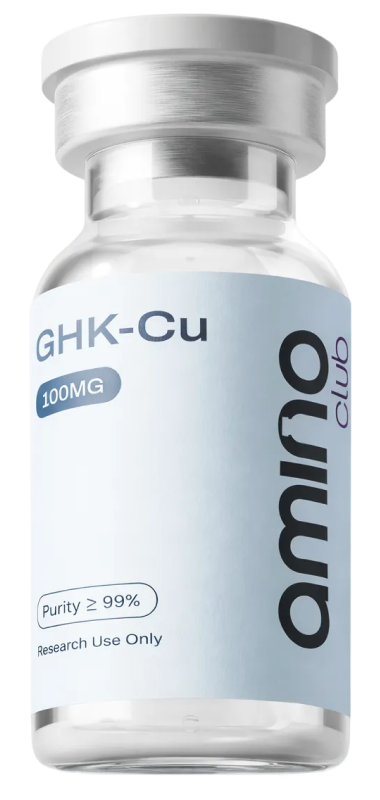
GHK-Cu
Anti-Aging Compound
Transparency: Some links are affiliate links. If you purchase through these links, we earn a commission at no extra cost to you. This allows us to maintain independent testing. Our recommendations are never influenced by commissions.
Introduction: Peptides as a Novel Approach to Hair Loss
Hair loss affects approximately 50% of men and 25% of women during their lifetime. Whether it manifests as androgenetic alopecia, stress-related diffuse shedding, or progressive hair thinning, this condition profoundly impacts the quality of life and self-confidence of millions of people worldwide.
Given the limitations and side effects of conventional treatments like minoxidil and finasteride, research has turned to novel approaches. Among these, peptides — short chains of amino acids that play essential roles in cellular signaling — are generating growing interest in the field of hair health.
Hair peptides represent a category of bioactive molecules capable of interacting with hair follicle cells to stimulate growth, prolong the anagen phase (active growth phase), and improve hair density. Some of these peptides are already used in cosmetic formulations, while others are the subject of promising preclinical and clinical research.
In this article, we review the mechanisms of action of peptides on hair, the most studied molecules, the available scientific data, and the criteria for choosing a quality product.
How Peptides Work for Hair
To understand the value of hair peptides, it helps to recall how the hair cycle works. Each follicle passes through three phases: anagen (active growth, 2 to 7 years), catagen (regression, 2 to 3 weeks), and telogen (rest, 2 to 4 months). In alopecia, this cycle is disrupted: the anagen phase shortens, follicles miniaturize, and hair becomes finer before ceasing to grow entirely.
Growth Factor Stimulation
Several hair peptides work by stimulating the production of growth factors essential to the hair follicle. VEGF (Vascular Endothelial Growth Factor) promotes follicle vascularization, while FGF (Fibroblast Growth Factor) and KGF (Keratinocyte Growth Factor) stimulate the proliferation of follicular matrix cells. Certain peptides, notably GHK-Cu, have demonstrated the ability to increase the expression of these growth factors in dermal papilla cells.
Follicular Stem Cell Activation
The hair follicle houses a reserve of stem cells in a region called the "bulge." Activation of these stem cells is necessary for hair cycle renewal. Peptides such as Thymosin β4 and its fragment TB-500 have shown, in animal models, the ability to promote the migration and differentiation of these stem cells, thereby contributing to follicle regeneration.
Wnt/β-Catenin Pathway Modulation
The Wnt/β-catenin signaling pathway plays a central role in hair follicle morphogenesis and maintenance of the anagen phase. Its inactivation is associated with follicular miniaturization. Certain peptides, such as PTD-DBM, have been specifically designed to activate this pathway, with promising results in preclinical studies.
Improved Microcirculation
Adequate blood supply is essential for hair follicle health. Certain peptides promote vasodilation and angiogenesis at the scalp level, thereby improving nutrient and oxygen delivery to follicular cells. This mechanism is particularly relevant for copper peptides, whose pro-angiogenic properties are well documented.
Anti-inflammatory and Antioxidant Action
Chronic inflammation and oxidative stress contribute to accelerated hair loss. Several hair peptides possess anti-inflammatory and antioxidant properties that can protect the hair follicle from these aggressions. GHK-Cu, in particular, is recognized for its potent antioxidant and anti-aging activity.
Top Peptides for Hair Health
GHK-Cu (Copper Peptide)
GHK-Cu (glycyl-L-histidyl-L-lysine-copper) is arguably the most studied peptide in the hair context. Naturally present in human blood plasma, its concentration decreases with age. GHK-Cu acts on the hair follicle at multiple levels:
- Growth factor stimulation: it increases the expression of VEGF, FGF, and other factors essential to follicular cell proliferation.
- Follicle enlargement: in vitro studies have shown that GHK-Cu can increase hair follicle size, promoting the production of thicker hair.
- Anti-aging properties: by stimulating collagen and elastin synthesis in the scalp, it improves the extracellular matrix environment around the follicle.
- Anti-inflammatory action: it reduces perifollicular inflammation that contributes to follicle miniaturization in androgenetic alopecia.
A study by Pyo et al. (2007) showed that GHK-Cu stimulated the proliferation of human dermal papilla cells and increased the expression of genes involved in hair growth. Topical GHK-Cu formulations are commercially available, although large-scale clinical trials remain limited.
Thymosin β4 / TB-500
Thymosin β4 is a 43-amino acid peptide that plays an important role in cellular actin regulation and stem cell migration. TB-500, which corresponds to the active sequence of Thymosin β4, has attracted researcher attention for its potential effects on hair follicles.
- Bulge stem cell activation: a study published in FASEB Journal (Philp et al., 2004) demonstrated that Thymosin β4 promoted the migration and differentiation of hair follicle stem cells in mice.
- Wound healing acceleration: by promoting tissue regeneration, TB-500 could improve the scalp environment following micro-injuries (such as those from microneedling).
- Anti-inflammatory effects: Thymosin β4 possesses documented anti-inflammatory properties that could benefit an inflamed scalp.
It should be emphasized that most data on TB-500 and hair come from animal studies. Human clinical trials specifically dedicated to hair regrowth remain rare, and this peptide is not approved as a hair treatment.
PTD-DBM (Peptide Targeting Dishevelled)
PTD-DBM is a research peptide designed to activate the Wnt/β-catenin pathway in the hair follicle. This signaling pathway is essential for maintaining the anagen phase and differentiating follicular stem cells.
- Mechanism of action: PTD-DBM binds to the CXXC domain of the Dishevelled (Dvl) protein, activating the canonical Wnt pathway and promoting new hair follicle formation.
- Preclinical results: a study by Kwack et al. (2018), published in the Journal of Investigative Dermatology, showed that topical application of PTD-DBM induced follicular neogenesis in mice — a particularly remarkable result.
- Current limitations: this peptide is still at the research stage and is not available in commercial hair care products. Human clinical studies are needed to confirm its potential.
Biomimetic Peptides: Redensyl, Capixyl, and Others
Biomimetic peptides are synthetic molecules designed to mimic the action of natural biological signals. Several are already integrated into cosmetic hair formulations:
- Redensyl: this complex contains DHQG (dihydroquercetin-glucoside) and EGCG2 (epigallocatechin gallate-glucoside), targeting bulge stem cells and dermal papilla fibroblasts. A double-blind clinical trial (Rinaldi et al., 2017) showed a 9% increase in hair density after 84 days of use.
- Capixyl: a combination of a biomimetic peptide (acetyl tetrapeptide-3) and a red clover extract rich in biochanin A, a 5α-reductase inhibitor. In vitro studies show reduced follicle miniaturization and stimulated collagen synthesis in the dermal papilla.
- Procapil: an association of a biotinylated peptide (biotinyl-GHK) with apigenin and oleanolic acid, targeting improved hair anchoring and reduced DHT effects on the follicle.
- Kopyrrol: a copper peptide integrated into hair formulations for its growth-stimulating properties on the follicle.
What Does the Scientific Evidence Say?
Evaluating hair peptides requires considering the level of scientific evidence. It is important to distinguish between different types of studies and their weight in the evidence hierarchy.
In Vitro Studies
Cell culture studies have provided the majority of data on hair peptides. They show that several peptides, particularly GHK-Cu, stimulate dermal papilla cell proliferation, increase growth factor expression, and modulate signaling pathways involved in the hair cycle. These results are encouraging but do not guarantee clinical efficacy in humans.
Animal Studies
Murine models have demonstrated concrete effects on hair growth. The study by Philp et al. (2004) on Thymosin β4 showed accelerated regrowth in mice. Similarly, the study by Kwack et al. (2018) on PTD-DBM observed follicular neogenesis in mice. However, translating these results to humans requires confirmation, as human hair follicle biology differs significantly from that of mice.
Human Clinical Studies
Human clinical data remain limited for most hair peptides. However, several studies deserve mention:
- GHK-Cu: small-scale studies and observational data suggest improved hair density with topical formulations, but large-scale randomized controlled trials are lacking.
- Redensyl: the double-blind clinical trial by Rinaldi et al. (2017) on 26 subjects showed a significant increase in hair density and anagen/telogen ratio after 84 days.
- Capixyl: manufacturer-sponsored clinical studies report reduced hair loss and improved density after 4 months of use.
Methodological Limitations
Several limitations in the current literature should be noted: small sample sizes, often short study durations, manufacturer funding for biomimetic peptides, and the absence of direct comparisons with reference treatments. Research on hair peptides is a rapidly evolving field, and more robust studies are needed to definitively establish their efficacy.
How to Use Peptides for Hair
Hair peptides can be administered in several ways, each with its own advantages and limitations.
Topical Application
Topical application is the most common and accessible route. Serums, lotions, and hair sprays containing peptides are applied directly to the scalp. Advantages include:
- Ease of use and integration into a care routine
- Targeted action on the scalp
- Generally favorable safety profile
- Availability without prescription for cosmetic formulations
To optimize skin penetration, some users combine topical peptide application with scalp microneedling (dermarolling). This technique, which creates micro-perforations in the skin, can improve peptide absorption and stimulate a regenerative response itself. However, this practice should be performed with caution and ideally under professional supervision.
Oral Route (Dietary Supplements)
Some dietary supplements contain collagen peptides or bioactive peptides marketed as beneficial for hair. However, the oral bioavailability of peptides specific to the hair follicle remains debated. Ingested peptides are largely degraded by digestive enzymes, and it is uncertain whether they reach the follicle in their active form. Collagen peptides may nonetheless provide amino acids useful for keratin synthesis.
Injections (Mesotherapy)
Hair mesotherapy involves directly injecting cocktails of active ingredients, including peptides, into the scalp. This approach allows direct delivery at the follicular level and is practiced by some dermatologists and aesthetic physicians. However, it requires a qualified practitioner, is more invasive, and more expensive than topical applications.
Usage Recommendations
Regardless of the chosen route, it is recommended to:
- Be patient: hair results generally require 3 to 6 months of regular use.
- Maintain a consistent routine: irregular application reduces the chances of visible results.
- Consult a dermatologist in case of significant hair loss, to identify the underlying cause before choosing a treatment.
- Maintain realistic expectations: peptides can improve hair density and thickness, but cannot regrow permanently destroyed follicles.
Peptides vs. Other Hair Treatments
To position peptides within the hair treatment landscape, it is useful to compare them with established options.
Peptides vs. Minoxidil
Minoxidil (Rogaine) is a topical vasodilator approved by the FDA for treating androgenetic alopecia. It is considered a first-line treatment.
- Efficacy: minoxidil has decades of clinical data demonstrating its effectiveness. Peptides have promising preliminary data but less robust evidence.
- Mechanism: minoxidil acts primarily on vascularization and shortening the telogen phase. Peptides act through multiple mechanisms (growth factors, stem cells, Wnt pathway).
- Side effects: minoxidil can cause skin irritation, facial hypertrichosis, and rarely, cardiovascular effects. Topical peptides generally have fewer reported side effects.
- Combination: since peptides and minoxidil act through different pathways, their combination could offer synergistic benefits, though this hypothesis requires specific studies.
Peptides vs. Finasteride
Finasteride is an oral 5α-reductase inhibitor prescribed for male androgenetic alopecia.
- Efficacy: finasteride is one of the most effective treatments for male androgenetic alopecia, with high response rates.
- Side effects: it can cause sexual side effects (decreased libido, erectile dysfunction) in a minority of users, which drives some patients to seek alternatives.
- Complementarity: topical peptides could serve as an interesting complement to finasteride, targeting different mechanisms (active growth stimulation vs. DHT inhibition).
Peptides vs. PRP (Platelet-Rich Plasma)
PRP is an autologous therapy that uses growth factors from the patient's own blood.
- Common ground: PRP and peptides share a mechanism of action based on growth factors.
- Peptide advantage: they are more accessible, less invasive, and less expensive than PRP sessions.
- PRP advantage: it uses autologous growth factors, reducing the risk of adverse reactions.
How to Choose a Quality Peptide Hair Product
The market for peptide-based hair products is expanding rapidly. Here are the essential criteria for making an informed choice.
Formulation Transparency
Look for products that clearly indicate:
- The peptide(s) used, with their precise INCI name
- Active ingredient concentration (as a percentage or parts per million)
- Complete ingredient list
Be wary of products using vague terms like "exclusive peptide complex" without specifying the composition.
Effective Concentration
A peptide is only effective if present in sufficient concentration. For example, for GHK-Cu, studies suggest that a concentration of at least 1% is necessary to observe significant biological effects. Formulations listing the peptide at the end of the ingredient list likely contain an insufficient amount.
Delivery System
The ability of the peptide to penetrate the scalp and reach the follicle is crucial. Advanced formulations use technologies such as liposomal encapsulation, nanoparticles, or sustained-release systems to improve skin bioavailability.
Formulation Stability
Peptides are fragile molecules that can degrade if poorly formulated. Check that the product is packaged in protective containers (opaque bottles, airless pumps), that the formulation pH is suitable for peptide stability, and that storage conditions are indicated.
Manufacturer Reputation
Prefer manufacturers who:
- Publish or cite clinical studies on their products
- Hold quality certifications (GMP, ISO)
- Have testing performed by independent laboratories
- Are transparent about their manufacturing process
Realistic Claims
Be wary of products promising miraculous or instant results. A serious product will mention gradual results (3 to 6 months), rely on scientific data, and will not promise to regrow hair on areas that have been completely bald for a long time.
Frequently Asked Questions About Peptides for Hair
Frequently Asked Questions
Do peptides really make hair grow back?
What is the best peptide for hair?
Do hair peptides have side effects?
How long does it take to see results from hair peptides?
Can hair peptides be combined with minoxidil or finasteride?
Are hair peptides suitable for all types of hair loss?
Sources
- Pickart L, Vasquez-Soltero JM, Margolina A (2012). GHK Peptide as a Natural Modulator of Multiple Cellular Pathways in Skin Regeneration. BioMed Research International.
- Pyo HK, Yoo HG, Won CH, et al. (2007). The effect of tripeptide-copper complex on human hair growth in vitro. Archives of Pharmacal Research.
- Philp D, Nguyen M, Bhatt N, et al. (2004). Thymosin β4 increases hair growth by activation of hair follicle stem cells. FASEB Journal.
- Kwack MH, Seo CH, Gangadaran P, et al. (2018). Exogenous Wnt5a and Wnt10b activate the Wnt/β-catenin pathway and stimulate hair follicle regeneration. Journal of Investigative Dermatology.
- Rinaldi F, Marzani B, Pinto D, Ramot Y (2017). A randomized controlled trial on the efficacy of a cosmetic hair lotion containing Redensyl in the treatment of hair loss. Journal of Dermatology & Cosmetology.
- Bassino E, Gasparri F, Munaron L (2020). Protective role of nutritional plants containing flavonoids in hair follicle disruption: a review. International Journal of Molecular Sciences.
- Gentile P, Garcovich S (2019). Advances in Regenerative Stem Cell Therapy in Androgenic Alopecia and Hair Loss: Wnt Pathway, Growth-Factor, and Mesenchymal Stem Cell Signaling Impact Analysis on Cell Growth and Hair Follicle Development. Cells.
- Dhurat R, Sukesh M, Avhad G, et al. (2013). A Randomized Evaluator Blinded Study of Effect of Microneedling in Androgenetic Alopecia: A Pilot Study. International Journal of Trichology.