- Cosmetic peptides fall into 4 categories: signal, neurotransmitter-inhibiting, carrier, and enzyme-inhibiting peptides.
- Matrixyl 3000, Argireline, and GHK-Cu are the most studied and effective peptides in cosmetics.
- Peptides should be applied to clean skin, before moisturizers, ideally morning and evening.
- Avoid combining peptides with high-concentration AHA/BHA and acidic-pH vitamin C in the same routine.
- Visible results typically appear after 4 to 8 weeks of regular use.
- A good peptide serum should list its peptides in the first third of the INCI list.
Recommended products
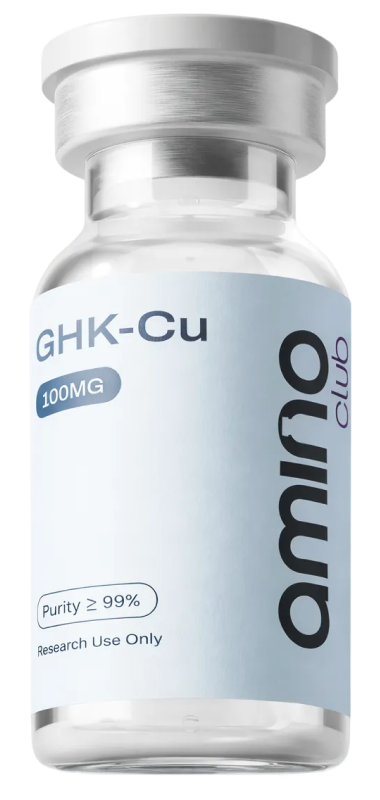
GHK-Cu
Anti-Aging Compound
Transparency: Some links are affiliate links. If you purchase through these links, we earn a commission at no extra cost to you. This allows us to maintain independent testing. Our recommendations are never influenced by commissions.
Introduction
Peptides have revolutionized the cosmetics industry. In just a few years, they have gone from niche ingredient status to becoming a pillar of anti-aging routines, alongside retinol and vitamin C.
But with the proliferation of "peptide" products, it can be hard to navigate the options. Which peptides are truly effective? How should they be incorporated into your routine? Can they be combined with other active ingredients? This practical guide answers all these questions with concrete recommendations based on the scientific data available in 2026.
Whether you're new to skincare or looking to optimize your existing routine, this guide will give you the keys to using peptides effectively and safely.
How Peptides Work on the Skin
To understand the effectiveness of peptides in cosmetics, you first need to understand how the skin ages. Over time, the body produces less and less collagen (−1% per year from age 25), elastin, and hyaluronic acid. This progressive loss results in wrinkles, sagging skin, and thinner skin.
Cosmetic peptides intervene at multiple levels of this process:
- Synthesis stimulation: Certain peptides signal fibroblasts (dermal cells) to produce more collagen, elastin, and glycosaminoglycans. This is the mechanism of action of signal peptides like Matrixyl.
- Degradation inhibition: Other peptides block enzymes (matrix metalloproteinases or MMPs) that break down existing collagen. The result: collagen reserves are preserved for longer.
- Muscle relaxation: Neurotransmitter-inhibiting peptides reduce micro-contractions of the facial muscles, softening expression lines (forehead, crow's feet, frown lines) without injections.
- Nutrient transport: Carrier peptides deliver essential trace elements (copper, manganese) to skin cells, optimizing repair and protection processes.
The advantage of peptides over other anti-aging actives is their specificity of action. Each peptide has a precise target, making it possible to formulate targeted treatments for the specific needs of each skin type.
The 4 Types of Cosmetic Peptides
The cosmetics industry uses four major families of peptides, each with a distinct mechanism of action:
1. Signal peptides
These are the most widely used in cosmetics. They "signal" fibroblasts to produce more collagen and elastin, mimicking the skin's natural repair process. When collagen breaks down, it releases peptide fragments that stimulate the production of new collagen. Signal peptides artificially reproduce this signal.
- Matrixyl (Palmitoyl Pentapeptide-4): The pioneer, studied since 2003
- Matrixyl 3000 (Palmitoyl Tripeptide-1 + Palmitoyl Tetrapeptide-7): An improved version combining two peptides
- Matrixyl Synthe'6 (Palmitoyl Tripeptide-38): Stimulates 6 major components of the skin matrix
2. Neurotransmitter-inhibiting peptides
Nicknamed "topical Botox," they block the release of acetylcholine at the neuromuscular junction. By reducing the intensity of facial muscle contractions, they progressively diminish expression lines.
- Argireline (Acetyl Hexapeptide-8): The most studied, reduces wrinkles by 30% in 30 days according to some studies
- Leuphasyl (Pentapeptide-18): Works synergistically with Argireline
- SNAP-8 (Acetyl Octapeptide-3): A more potent version of Argireline
3. Carrier peptides
They stabilize and transport essential trace elements to skin cells. Copper is the most commonly used metal, as it is a cofactor of lysyl oxidase (a collagen cross-linking enzyme) and superoxide dismutase (an antioxidant enzyme).
- GHK-Cu (Copper Tripeptide-1): The most documented, naturally present in human plasma
- AHK-Cu (Alanine-Histidine-Lysine Copper): A synthetic variant
4. Enzyme-inhibiting peptides
They block enzymes responsible for breaking down the extracellular matrix. By inhibiting metalloproteinases (MMPs) and elastase, they protect existing collagen and elastin.
- Trylagen: A peptide combination that inhibits MMPs and stimulates the synthesis of collagen types I, III, and IV
- Peptides derived from rice and soy proteins: Natural MMP inhibition
Star Ingredients You Should Know
Not all cosmetic peptides are created equal. Here are the ingredients with the best scientific evidence for their effectiveness:
Matrixyl 3000 (Palmitoyl Tripeptide-1 + Palmitoyl Tetrapeptide-7)
This is the gold standard of cosmetic peptides. A double-blind clinical study (Robinson et al., 2005) showed a reduction of 36% in wrinkle surface area and 27% in wrinkle depth after 2 months of twice-daily application. Palmitoyl Tripeptide-1 stimulates collagen synthesis, while Palmitoyl Tetrapeptide-7 reduces chronic inflammation (inflammaging).
Argireline (Acetyl Hexapeptide-8)
Developed by Lipotec laboratories (Barcelona), Argireline inhibits the SNARE complex, preventing the release of acetylcholine vesicles. Clinical studies show a reduction in wrinkle depth of 17 to 30% after 15 to 30 days. The effect is dose-dependent: a concentration of 5 to 10% is recommended for optimal results.
GHK-Cu (Copper Tripeptide-1)
GHK-Cu is a natural tripeptide that decreases with age. Studies by Pickart et al. (2015) show that it boosts collagen production by 70%, increases antioxidant activity (SOD, catalase), accelerates wound healing, and reduces pigmentation spots. In cosmetics, concentrations of 0.01 to 1% are generally used.
Matrixyl Synthe'6 (Palmitoyl Tripeptide-38)
This next-generation peptide stimulates the synthesis of 6 major components of the dermal matrix: collagen I, III, IV, fibronectin, hyaluronic acid, and laminin-5. In vitro studies show an increase in collagen IV synthesis of over 100% and hyaluronic acid synthesis of 256%.
How to Choose a Peptide Product
With an overwhelming number of options available, here are the essential criteria for choosing a truly effective peptide product:
1. Check the position in the INCI list
The INCI (International Nomenclature of Cosmetic Ingredients) list ranks ingredients in descending order of concentration. An effective peptide should appear in the first third of the list. If it appears at the end (after preservatives), its concentration is likely too low to have a significant effect.
2. Choose multi-peptide formulations
Formulas combining several peptides with complementary mechanisms are generally more effective than a single peptide. For example, a serum combining Matrixyl 3000 (collagen stimulation) + Argireline (muscle relaxation) + GHK-Cu (copper transport) simultaneously targets multiple aging mechanisms.
3. Check the formulation type
Peptides are fragile molecules. Look for:
- Water-based serums (better penetration than thick creams)
- Opaque, airless packaging (protection against light and oxidation)
- Neutral pH formulations (5.0–7.0) — very acidic pH levels degrade peptides
4. Beware of exaggerated marketing claims
Be wary of products that promise "immediate" results or results "comparable to Botox." Peptides work gradually: the first visible results appear after 4 to 8 weeks of regular use. It's a long-term investment, not an instant fix.
5. Budget and value for money
Quality peptides have a high production cost. Be cautious of very cheaply priced "peptide" products — the active ingredient concentration is often insufficient. A good peptide serum typically costs between $15 and $50 for 30 mL.
Incorporating Peptides into Your Routine
Here's how to effectively incorporate peptides into your skincare routine, step by step:
Morning routine:
- Gentle cleansing — Cleanser with physiological pH (5.5)
- Hydrating toner (optional) — Prepares the skin to absorb active ingredients
- Peptide serum — 2 to 3 drops, gently patted across the entire face and neck
- Moisturizer — Seals in active ingredients and maintains hydration
- SPF 30+ sunscreen — Essential to protect newly synthesized collagen
Evening routine:
- Double cleansing — Cleansing oil + gentle cleanser
- Peptide serum — Same application as in the morning. Cell renewal is more active at night, making it the optimal time for signal peptides.
- Retinol (alternating, not on the same evening) — If you use retinol, alternate with peptides rather than layering them
- Night cream — Richer than your morning cream to nourish the skin during sleep
Application tips:
- Apply peptides to slightly damp skin to improve penetration
- Use patting motions (press-and-pat) rather than rubbing
- Don't forget the neck and décolletage — these areas often age faster than the face
- Be consistent: results depend on regularity. Two applications a day, every day.
Combinations to Favor and Avoid
Not all active ingredients play well with peptides. Here are the essential combination rules:
Recommended combinations:
- Peptides + Hyaluronic acid: An ideal combination. Hyaluronic acid hydrates the skin's surface while peptides work deep within on collagen. No negative interactions.
- Peptides + Niacinamide (Vitamin B3): Excellent synergy. Niacinamide strengthens the skin barrier, reduces inflammation, and improves radiance, perfectly complementing the anti-aging action of peptides.
- Peptides + Ceramides: Ceramides strengthen the lipid barrier, improving hydration retention and creating a favorable environment for peptide activity.
- Signal peptides + Neurotransmitter peptides: Matrixyl + Argireline tackle aging on two complementary fronts.
Combinations to avoid (same routine):
- Peptides + High-concentration AHA/BHA: Exfoliating acids (glycolic, salicylic) at very low pH (2–3) can break peptide bonds and reduce efficacy. Solution: use acids in the morning and peptides in the evening, or alternate days.
- Peptides + Vitamin C (L-ascorbic acid) at acidic pH: L-ascorbic acid requires a pH of 2.5–3.5 to be effective, which can denature peptides. Solution: apply vitamin C in the morning, peptides in the evening. Neutral-pH vitamin C derivatives (ascorbyl glucoside) are compatible.
- Peptides + Retinol (same application): Retinol can interfere with certain peptides. Although research on this topic is limited, it is generally advised to alternate rather than layer them.
Myths and Facts
Peptide marketing is accompanied by numerous claims. Let's separate fact from fiction:
Myth: "Peptides replace Botox"
Fact: Peptides like Argireline reduce expression lines by 17–30%, compared to 80–90% for Botox. The mechanisms are similar (muscle inhibition), but the magnitude is very different. Peptides are a gentle alternative, not a replacement.
Myth: "Results are visible from the first application"
Fact: Peptides work gradually by stimulating biological processes (collagen synthesis, etc.). The first visible results appear after 4 to 8 weeks. Optimal results require 12 weeks of continuous use.
Myth: "The higher the concentration, the better"
Fact: Peptides are active at very low concentrations. GHK-Cu, for example, is effective at just 0.01%. Beyond a certain concentration, efficacy plateaus and the risk of irritation increases. More is not always better.
Myth: "All peptide serums are the same"
Fact: Quality varies enormously. An effective serum must contain peptides at a significant concentration (first third of the INCI list), in a stable formulation (neutral pH, protective packaging) with scientifically documented peptides (Matrixyl, Argireline, GHK-Cu).
Truth: "Peptides are among the best-tolerated anti-aging actives"
That's correct. Unlike retinol (irritation, peeling) or AHAs (photosensitivity), peptides rarely cause adverse effects. They are suitable for all skin types, including sensitive, reactive, and rosacea-prone skin.
FAQ
At what age should you start using peptides?
There is no minimum age, but anti-aging peptides become particularly relevant from age 25–30, when collagen production begins to decline. Before that age, a good sunscreen and proper hydration are the best investments.
Are peptides safe during pregnancy?
Topical cosmetic peptides are generally considered safe during pregnancy, as their systemic penetration is minimal. However, as a precaution, consult your doctor or dermatologist before introducing any new active ingredient during pregnancy.
Can peptides be used around the eyes?
Yes, and it's actually one of the most beneficial areas. The skin around the eyes is the thinnest on the face (0.5 mm vs. 2 mm elsewhere) and ages quickly. Argireline is particularly effective on crow's feet.
Are peptides vegan?
The vast majority of cosmetic peptides are synthetic (produced in a laboratory through chemical synthesis), making them vegan by nature. However, always check the other ingredients in the formulation.
How much does a good peptide serum cost?
An effective, well-formulated peptide serum typically costs between $15 and $50 for 30 mL. The Ordinary offers affordable options (starting at $12), while premium brands like Drunk Elephant or Paula's Choice offer more elaborate formulations ($30–$65).
Sources
- Robinson LR, Fitzgerald NC, Ponce DG, Lockhart LB. (2005). Topical palmitoyl pentapeptide provides improvement in photoaged human facial skin. International Journal of Cosmetic Science, 27(3), 155-160.
- Blanes-Mira C, Clemente J, Jodas G, et al. (2002). A synthetic hexapeptide (Argireline) with antiwrinkle activity. International Journal of Cosmetic Science, 24(5), 303-310.
- Pickart L, Vasquez-Soltero JM, Margolina A. (2015). GHK peptide as a natural modulator of multiple cellular pathways in skin regeneration. BioMed Research International, 2015, 648108.
- Schagen SK. (2017). Topical peptide treatments with effective anti-aging results. Cosmetics, 4(2), 16.
- Errante F, Ledwoń P, Bhatt TK, et al. (2023). Cosmeceutical peptides in the framework of sustainable wellness economy. Molecules, 28(20), 7182.
- Lima TN, Pedriali Moraes CA. (2018). Bioactive peptides: applications and relevance for cosmeceuticals. Cosmetics, 5(1), 21.