- Bioactive peptides are protein fragments of 2-20 amino acids that exert beneficial physiological effects beyond basic nutrition.
- Dairy products, fish, eggs, soy, and fermented foods are the main dietary sources of bioactive peptides.
- Certain food-derived peptides, such as VPP and IPP from milk, have demonstrated antihypertensive effects comparable to some medications.
- Fermentation and enzymatic digestion naturally release bioactive peptides from food proteins.
- Collagen peptides represent the most studied bridge between natural food and targeted supplementation.
- A varied diet rich in quality proteins remains the best strategy for benefiting from bioactive peptides.
Recommended products
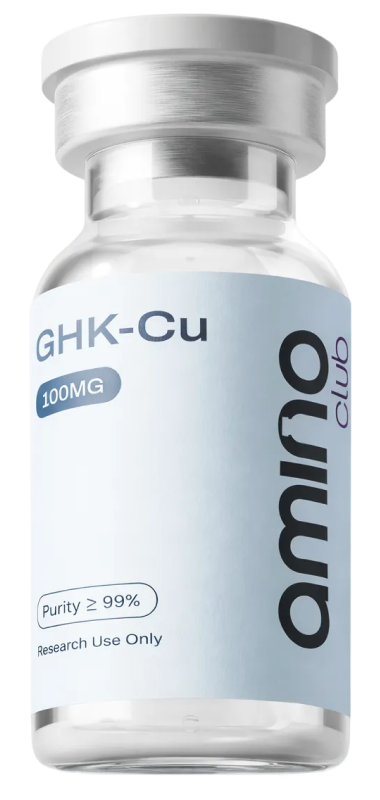
GHK-Cu
Anti-Aging Compound
Transparency: Some links are affiliate links. If you purchase through these links, we earn a commission at no extra cost to you. This allows us to maintain independent testing. Our recommendations are never influenced by commissions.
Introduction: The Hidden Peptides on Your Plate
Every day, without even knowing it, we consume dozens of bioactive peptides through our food. These small chains of amino acids, released during protein digestion, exert biological effects that go far beyond simple nutrient delivery. Blood pressure reduction, antioxidant activity, immune system modulation: scientific research has been revealing a fascinating world at the intersection of nutrition and pharmacology for over two decades.
But what exactly is a peptide? To understand the importance of peptides in food, we must first grasp that the proteins we eat are not absorbed as-is. They are broken down into smaller fragments — peptides — some of which possess remarkable biological properties. This is what scientists call food-derived bioactive peptides.
This comprehensive guide explores the richest dietary sources of bioactive peptides, the scientific evidence supporting their benefits, and how to optimize your diet to get the most from them. Whether you're interested in sports nutrition, cardiovascular prevention, or simply more informed eating, dietary peptides deserve your full attention.
What Are Food-Derived Bioactive Peptides?
A food-derived bioactive peptide is a protein fragment typically composed of 2 to 20 amino acids, released during digestion or food processing, that exerts a measurable physiological effect on the body. Unlike free amino acids, these peptides possess a specific sequence that gives them their own biological activity.
How Do Bioactive Peptides Form?
Bioactive peptides are released from food proteins through three main mechanisms:
- Digestive enzymatic hydrolysis: During digestion, gastric enzymes (pepsin) and intestinal enzymes (trypsin, chymotrypsin) break proteins into peptide fragments. Some of these fragments possess biological activity that only manifests once the peptide is released from the parent protein.
- Microbial fermentation: Lactic acid bacteria and other microorganisms used in food fermentation (yogurt, cheese, kefir, natto) produce proteases that release bioactive peptides. This is why fermented foods are often richer in active peptides than their unfermented counterparts.
- Industrial processing: Controlled enzymatic hydrolysis in the laboratory produces protein hydrolysates enriched in specific peptides. This is the process used to produce commercial collagen peptides.
It is important to note that bioactive peptides are cryptic — meaning they are inactive as long as they remain embedded in the parent protein. Their biological activity only reveals itself after release through one of these mechanisms.
Top Food Sources of Bioactive Peptides
Dairy Products: The Most Studied Source
Milk and dairy derivatives constitute the most scientifically documented source of bioactive peptides. The two major families of dairy proteins — casein (80% of milk proteins) and whey proteins (20%) — each generate peptides with distinct properties:
- Casomorphins: Derived from beta-casein, these peptides have mild opioid activity. They play a role in satiety and can modulate intestinal motility.
- Lactoferricin: Derived from whey lactoferrin, it possesses potent antimicrobial activity against a broad spectrum of pathogens.
- VPP and IPP peptides: These tripeptides (Val-Pro-Pro and Ile-Pro-Pro), naturally present in fermented milk, are angiotensin-converting enzyme (ACE) inhibitors with clinically demonstrated antihypertensive effects.
- Caseinophosphopeptides (CPP): They improve intestinal absorption of calcium and other minerals.
Aged cheeses, yogurts, and kefir are particularly rich in bioactive peptides due to bacterial proteolysis during fermentation.
Fish and Marine Collagen Peptides
Fish and seafood are a major source of bioactive peptides, including:
- Marine collagen peptides: Derived from fish skin, scales, and bones, they are particularly rich in hydroxyproline and glycine. Their bioavailability is often superior to bovine collagen.
- Antioxidant peptides: Fish protein hydrolysates (tuna, salmon, cod) contain peptides capable of neutralizing free radicals.
- Antihypertensive peptides: Bonito (katsuobushi), a staple ingredient in Japanese cuisine, contains well-characterized ACE-inhibitory peptides.
Egg-Derived Peptides
Egg white and yolk contain precursor proteins for bioactive peptides:
- Ovotransferrin: Generates antimicrobial and immunomodulatory peptides.
- Ovalbumin: Produces antihypertensive peptides during enzymatic digestion.
- Yolk peptides: Phosphopeptides from phosvitin improve mineral absorption, similar to caseinophosphopeptides from milk.
Plant Sources: Soy, Wheat, and Rice
Plant proteins are also an important source of bioactive peptides:
- Soy peptides: Lunasin, a 43-amino acid peptide found in soy, has shown anti-inflammatory and potentially anticancer properties in vitro. Soy protein hydrolysates also contain ACE-inhibitory peptides.
- Wheat glutelins: Wheat gluten, despite its poor reputation among intolerant individuals, generates bioactive peptides during digestion in non-celiac people, including exorphins with mild opioid properties.
- Rice bran: Rice bran protein hydrolysates contain promising antioxidant and antihypertensive peptides.
Fermented Foods: Bioactive Peptide Powerhouses
Fermentation is one of the most effective ways to release bioactive peptides:
- Natto: This Japanese fermented soybean product contains peptides from the action of Bacillus subtilis, with fibrinolytic (nattokinase) and antihypertensive properties.
- Kefir: The dual fermentation (bacterial and yeast) of kefir generates a particularly diverse peptide profile, including antimicrobial and immunomodulatory peptides.
- Kimchi: Lactic acid bacteria in kimchi release antioxidant peptides from vegetable proteins.
- Aged cheeses: Parmesan, Gruyere, and Roquefort, with their long aging process, are among the richest foods in bioactive peptides.
Health Benefits of Dietary Peptides: What Science Says
Antihypertensive Peptides: Natural ACE Inhibitors
The best-documented effect of dietary peptides is their ability to lower blood pressure. The peptides VPP (Val-Pro-Pro) and IPP (Ile-Pro-Pro), discovered in milk fermented by Lactobacillus helveticus, act as natural inhibitors of angiotensin-converting enzyme (ACE) — the same mechanism as antihypertensive medications like captopril.
A meta-analysis published in the American Journal of Clinical Nutrition showed that regular consumption of fermented milk containing these peptides results in an average reduction of 3-4 mmHg in systolic pressure in prehypertensive individuals. While modest, this effect is clinically significant at the population level.
In Japan, functional products based on bonito and sardine peptides are approved as FOSHU (Foods for Specified Health Uses) foods for blood pressure management.
Antioxidant Peptides
Many dietary peptides possess the ability to neutralize free radicals and reduce oxidative stress. The most active antioxidant peptides typically contain aromatic amino acids (tyrosine, tryptophan, phenylalanine) or sulfur-containing amino acids (cysteine, methionine).
Fish, egg, and soy protein hydrolysates have all demonstrated antioxidant activity in vitro and in some animal models. However, the translation of these results to humans remains an active area of research.
Antimicrobial Peptides
Certain dietary peptides possess direct antimicrobial activity. Lactoferricin, derived from milk lactoferrin, is active against bacteria, yeasts, and even certain viruses. These peptides work by disrupting the cell membranes of pathogenic microorganisms.
This property is particularly interesting in the context of antibiotic resistance, as dietary antimicrobial peptides could contribute to the body's first line of defense against infections.
Immunomodulatory Peptides
Peptides derived from casein and whey can modulate the immune response in several ways:
- Stimulation of lymphocyte proliferation
- Enhancement of Natural Killer (NK) cell activity
- Modulation of cytokine production
- Strengthening of intestinal barrier function
These immunomodulatory effects help explain why breastfeeding — human milk being rich in bioactive peptides — confers immune protection to infants.
Dietary Opioid Peptides
Casomorphins (from casein) and exorphins (from wheat gluten) are peptides capable of interacting with the body's opioid receptors. Their effect is considerably weaker than pharmaceutical opioids, but they may play a role in:
- Appetite and satiety regulation
- Gastrointestinal motility modulation
- Mild analgesic effects
- The sense of well-being associated with certain foods
It is important to note that these effects remain subtle within a normal diet and pose no risk of dependence.
Collagen Peptides: Bridging Food and Supplementation
Collagen peptides are today the most widely consumed category of dietary peptides in supplement form. They perfectly illustrate the transition between naturally occurring peptides in food and targeted supplementation.
From Bone Broth to Modern Supplements
Traditionally, collagen was consumed through foods like bone broth, pork trotters, gelatin, and fish skins. These ancestral culinary preparations provide partially hydrolyzed collagen, but with variable bioavailability.
Modern collagen peptides (also called hydrolyzed collagen) are produced through controlled enzymatic hydrolysis, generating low molecular weight peptides (2,000-5,000 Da) with significantly superior bioavailability. Studies have shown that these peptides are absorbed as di- and tripeptides containing hydroxyproline, which can reach the skin and joints.
What Research Shows
Clinical studies on collagen peptides show promising results for:
- Joint health: Reduced pain in people with osteoarthritis
- Skin elasticity: Improved skin hydration and elasticity (an area that overlaps with peptides in cosmetics)
- Bone density: Positive effects on bone metabolism in postmenopausal women
- Sports recovery: Support of collagen synthesis in tendons and ligaments
However, nuance is warranted. Study quality varies and additional research is needed. To better understand the limitations and safety of collagen peptides, it is essential to consult reliable sources.
How to Optimize Peptide Intake Through Diet
You don't need supplements to benefit from bioactive peptides. Here's how to optimize your intake through daily nutrition:
Prioritize Fermented Foods
Fermentation is the most effective natural process for releasing bioactive peptides. Regularly include in your diet:
- Plain yogurt and kefir (preferably artisanal, with live cultures)
- Aged cheeses (Parmesan, Gruyere, aged Gouda)
- Natto, tempeh, or miso
- Kimchi and sauerkraut
Diversify Your Protein Sources
Each protein source generates a different peptide profile. A diversified diet ensures a broader spectrum of bioactive peptides:
- Animal proteins: Alternate between dairy products, fish (including small whole fish like sardines), eggs, and meat
- Plant proteins: Include soy (tofu, tempeh, edamame), legumes, and whole grains
Embrace Slow Cooking
Long, low-temperature cooking (stewing, braising) causes partial hydrolysis of proteins, releasing more peptides than quick cooking methods:
- Prepare homemade bone broth (12-24 hour cooking)
- Cook meats as stews or braises
- Use gelatin in your culinary preparations
Optimize Your Digestion
Good digestion is essential for optimal peptide release:
- Chew your food thoroughly
- Maintain a healthy gut microbiome (prebiotic fibers, probiotics)
- Avoid eating too quickly or under stress
Peptide Supplements vs Whole Foods: Which Approach Is Better?
The debate between supplementation and natural food is particularly relevant in the field of bioactive peptides. Here is an objective analysis of both approaches:
Advantages of Whole Foods
- Nutritional synergy: Foods provide not only peptides but also vitamins, minerals, fiber, and other bioactive compounds that work synergistically.
- Peptide diversity: A varied diet generates a very broad spectrum of different peptides, whereas a supplement targets only one specific type.
- Matrix effect: The food matrix influences the release and absorption kinetics of peptides, sometimes favorably.
- Cost and accessibility: Foods rich in bioactive peptides are generally affordable and widely available.
Advantages of Supplements
- Precise dosing: Peptide supplements (such as hydrolyzed collagen) provide a standardized quantity of specific peptides.
- Optimized bioavailability: Industrial enzymatic hydrolysis produces peptides of optimal size for absorption.
- Therapeutic targeting: For specific goals (joint health, skin), peptide supplements can provide doses difficult to achieve through diet alone.
- Convenience: Easy to integrate into a daily routine.
Our Recommendation
The wisest approach combines both strategies: a varied diet rich in quality proteins as a foundation, supplemented as needed with targeted products for specific needs. Collagen peptides, for example, are difficult to obtain in sufficient quantities through food alone if the goal is a joint or skin effect.
As always in nutrition, there is no magic bullet. Dietary peptides are part of an overall health approach that includes a balanced diet, regular physical activity, and a healthy lifestyle.
Frequently Asked Questions
Which foods are richest in bioactive peptides?
Can dietary peptides really lower blood pressure?
Should I take peptide supplements or focus on food?
Does cooking destroy peptides in food?
Are dietary peptides safe?
Can vegetarians benefit from bioactive peptides?
Sources
- Korhonen H, Pihlanto A (2006). Bioactive peptides: Production and functionality. International Dairy Journal, 16(9), 945-960.
- Xu Q, Hong H, Wu J, Yan X (2019). Bioavailability of bioactive peptides derived from food proteins across the intestinal epithelial membrane: A review. Trends in Food Science & Technology, 86, 399-411.
- Cicero AFG, Auber F, Borghi C (2013). The role of peptides in the management of hypertension: a meta-analysis of randomized clinical trials. American Journal of Clinical Nutrition, 98(2), 288-296.
- Möller NP, Scholz-Ahrens KE, Roos N, Schrezenmeir J (2008). Bioactive peptides and proteins from foods: indication for health effects. European Journal of Nutrition, 47(4), 171-182.
- Sánchez A, Vázquez A (2017). Bioactive peptides: A review. Food Quality and Safety, 1(1), 29-46.
- Zhu CF, Li GZ, Peng HB, Zhang F, Chen Y, Li Y (2010). Treatment with marine collagen peptides modulates glucose and lipid metabolism in Chinese patients with type 2 diabetes mellitus. Applied Physiology, Nutrition, and Metabolism, 35(6), 797-804.
- Moskowitz RW (2000). Role of collagen hydrolysate in bone and joint disease. Seminars in Arthritis and Rheumatism, 30(2), 87-99.
- Daliri EBM, Oh DH, Lee BH (2017). Bioactive peptides. Foods, 6(5), 32.