- Collagen peptides are bioactive fragments obtained through enzymatic hydrolysis of native collagen, offering significantly superior bioavailability compared to intact collagen.
- Marine collagen (primarily type I) is the most studied for its skin benefits, while bovine collagen provides types I and III, essential for skin and joints.
- A molecular weight below 5,000 daltons is the key criterion for optimal intestinal absorption of collagen peptides.
- The effective dose documented in clinical studies generally ranges between 2.5 g and 10 g per day, depending on the targeted goal.
- Combining with vitamin C (at least 80 mg) is essential to maximize endogenous collagen synthesis.
- Visible results on the skin generally appear after 4 to 8 weeks of regular daily supplementation.
Recommended products
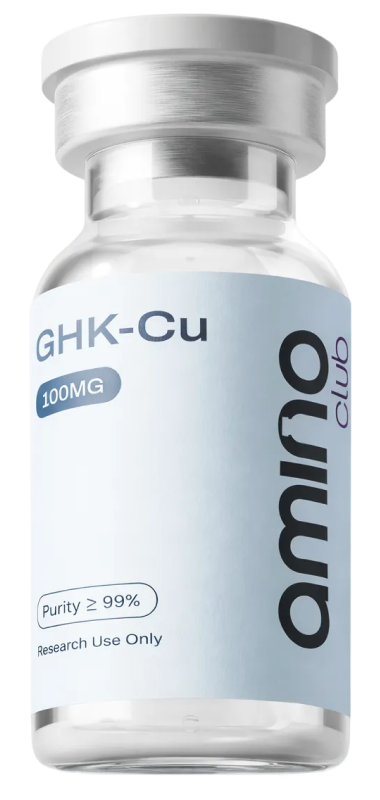
GHK-Cu
Anti-Aging Compound
Transparency: Some links are affiliate links. If you purchase through these links, we earn a commission at no extra cost to you. This allows us to maintain independent testing. Our recommendations are never influenced by commissions.
Introduction
Collagen is the most abundant protein in the human body, representing approximately 30% of the total protein mass. Present in the skin, bones, tendons, cartilage and blood vessels, it plays a fundamental structural role. From the age of 25, endogenous collagen production decreases by approximately 1 to 1.5% per year, gradually leading to the appearance of wrinkles, loss of skin firmness and joint pain.
In response to this natural decline, supplementation with collagen peptides has become one of the most dynamic segments of the nutraceutical market. But between marine, bovine, porcine collagen or even plant-based alternatives, how do you navigate? Are all collagen peptides equivalent? Which ones offer real efficacy proven by science?
In this article, we review the 10 best collagen peptides available on the market, analyzing their origin, molecular weight, bioavailability and the clinical evidence supporting their use. Our goal is to provide you with an objective, scientifically grounded reference guide to make the best choice for your needs.
What are collagen peptides?
Collagen peptides — also called hydrolyzed collagen or collagen hydrolysate — are obtained through a process of enzymatic hydrolysis that breaks down the long protein chains of native collagen into low molecular weight peptides. While native collagen has a molecular weight of approximately 300,000 daltons, collagen peptides typically have a weight of 2,000 to 5,000 daltons.
This size reduction is crucial for bioavailability. Native collagen, too large to be efficiently absorbed by the intestine, is largely degraded during digestion. Collagen peptides, on the other hand, can cross the intestinal barrier virtually intact and reach the bloodstream in the form of bioactive dipeptides and tripeptides, notably the Pro-Hyp (prolyl-hydroxyproline) and Hyp-Gly (hydroxyproline-glycine) sequences.
Once in the blood, these bioactive peptides act in two complementary ways:
- Substrate effect: they directly provide the amino acids needed for new collagen synthesis (glycine, proline, hydroxyproline).
- Signaling effect: they stimulate dermal fibroblasts and cartilage chondrocytes, increasing endogenous production of collagen, hyaluronic acid and elastin.
Pharmacokinetic studies have shown that orally ingested collagen peptides reach the skin within 4 to 12 hours and accumulate there for at least 24 hours. This mechanism explains why regular daily intake is necessary to observe lasting results.
Types of collagen
There are at least 28 types of collagen identified in the human body, but five of them represent the vast majority of total collagen and are the most relevant for supplementation:
| Type | Primary location | Function | Typical source |
|---|---|---|---|
| Type I | Skin, bones, tendons, cornea | Tensile strength, skin structure | Marine, bovine |
| Type II | Articular cartilage | Elasticity and compressive strength | Chicken (sternum) |
| Type III | Skin, blood vessels, organs | Soft tissue structure, vascular elasticity | Bovine |
| Type V | Cell surface, placenta | Fibril formation, regulation | Eggshell |
| Type X | Hypertrophic cartilage | Bone mineralization | Chicken |
In terms of oral supplementation, the most common collagen peptides come from three main sources:
- Marine collagen: extracted from the skin and scales of fish (cod, salmon, tilapia). Rich in type I collagen, it has the lowest natural molecular weight and the best bioavailability. It is particularly recommended for skin-related goals.
- Bovine collagen: derived from bovine hides and bones. It provides a mix of types I and III, making it versatile for skin, joints and gut health. Its cost is generally lower than that of marine collagen.
- Chicken collagen: primarily type II, extracted from chicken sternum. It is mainly used for joint problems and cartilage, with a mechanism of action that includes an immunomodulatory component.
As for plant-based alternatives, it is important to clarify a point that is often a source of confusion: there is no such thing as plant-based collagen. Plants do not produce collagen. Products labeled "plant-based collagen" actually contain collagen precursors (amino acids, vitamin C, silicon) or plant molecules that stimulate endogenous collagen production, but they are not collagen peptides per se.
Top 10 collagen peptides
Here is our selection of the 10 most effective and best scientifically documented collagen peptides. This ranking takes into account the quality of clinical studies, bioavailability, source traceability and value for money.
1. Verisol® (GELITA)
Bioactive collagen peptides specifically optimized for the skin. Derived from bovine collagen, Verisol® peptides have been the subject of several randomized, double-blind clinical studies. A 2014 study published in Skin Pharmacology and Physiology showed a 20% reduction in eye wrinkles after 8 weeks of supplementation at 2.5 g/day. Verisol® also increases procollagen type I production by 65% and elastin by 18%.
2. Peptan® (Rousselot)
One of the most widely used collagen peptides in the world, available in marine (Peptan® Marine) and bovine versions. The average molecular weight is approximately 2,000 daltons, ensuring optimal intestinal absorption. Clinical studies show a 28% improvement in skin hydration after 8 weeks and a measurable increase in dermal collagen density by ultrasound.
3. Naticol® (Weishardt)
French marine collagen peptides, extracted from wild deep-sea fish skins. Naticol® stands out for its very low molecular weight (approximately 2,000 daltons) and its MSC (Marine Stewardship Council) traceability. Studies show a 15% improvement in skin firmness and 12% in hydration after 12 weeks at 5 g/day.
4. Bodybalance® (GELITA)
Collagen peptides optimized for muscle mass and body composition. Although less focused on skin, Bodybalance® is remarkable for athletes and biohacking enthusiasts. A 2015 study demonstrated an increase in lean muscle mass and a reduction in fat mass when combined with resistance training, at a rate of 15 g/day.
5. Fortigel® (GELITA)
Bioactive collagen peptides specifically developed for joint health. Fortigel® stimulates chondrocytes and promotes cartilage regeneration. An MRI study showed a significant increase in knee cartilage thickness after 48 weeks of supplementation at 10 g/day in patients with osteoarthritis.
6. Hydrolyzed Type I Marine Collagen Peptides (generic)
Generic type I marine collagen peptides, when produced by certified manufacturers with rigorous quality control, offer an excellent value for money. The essential criterion is to verify the molecular weight (< 5,000 Da), the absence of heavy metals and the certification of the source (sustainable fishing). Several studies confirm their efficacy on skin hydration and elasticity at doses of 5 to 10 g/day.
7. UC-II® (undenatured type II collagen)
Unlike the other peptides on this list, UC-II® is an unhydrolyzed type II collagen, used at a very low dose (40 mg/day). Its mechanism of action is immunomodulatory: it induces oral tolerance that reduces joint inflammation. Studies show that it is more effective than glucosamine-chondroitin for osteoarthritis-related joint pain.
8. Peptan® IIm (Rousselot)
A specialized version of Peptan dedicated to joint mobility, combining type II collagen peptides with a glycosaminoglycan matrix (chondroitin sulfate and hyaluronic acid). This comprehensive formulation offers synergistic structural and anti-inflammatory support for joints, with positive clinical results from as early as 3 months of use.
9. Eggshell Membrane Collagen (NEM®)
This atypical collagen peptide is extracted from the inner membrane of the eggshell. It naturally contains collagen types I, V and X, as well as elastin, desmosine and glycosaminoglycans. At just 500 mg/day, NEM® has demonstrated a significant reduction in joint pain within 10 days in double-blind studies — a remarkably fast onset of action.
10. Multi-Type Bovine Collagen Peptides (I + III)
Quality hydrolyzed bovine collagen powders, combining types I and III, remain a versatile and economical choice for comprehensive supplementation. Their amino acid profile is rich in glycine (33%), proline (12%) and hydroxyproline (10%), making them an excellent substrate for endogenous collagen synthesis. Combined with vitamin C, they offer documented benefits for skin, hair, nails, joints and gut health.
How to choose
Faced with the profusion of products on the market, choosing the right collagen peptide can seem daunting. Here are the essential criteria to evaluate before any purchase:
1. Molecular weight
This is the most important criterion for bioavailability. Choose peptides with an average molecular weight below 5,000 daltons, and ideally around 2,000 to 3,000 daltons. The lower the molecular weight, the better the intestinal absorption. Marine collagen naturally has a lower molecular weight than bovine collagen.
2. Origin and traceability
Check the source of the collagen: wild vs farmed fish, grass-fed vs conventional cattle, certifications (MSC for marine, organic for bovine). Traceability is also a guarantee of quality and absence of contaminants (heavy metals, pesticides, antibiotics).
3. Type of collagen
- Skin/beauty goal: type I (marine or bovine)
- Joint goal: type II (chicken) or specialized peptides (Fortigel®, UC-II®)
- Overall goal: types I + III (bovine)
4. Co-factors
Collagen synthesis requires co-factors, notably vitamin C, zinc and copper. A supplement that includes at least vitamin C (80 mg or more) will be more effective than collagen alone. Hyaluronic acid and biotin are interesting but not essential additions.
5. Dosage form
Collagen peptides are available in powder, capsules, tablets, liquids and gummies. Powder remains the most practical form for reaching high doses (5 to 15 g/day) without taking multiple capsules. It dissolves easily in water, coffee or smoothies and is generally odorless and tasteless when of good quality.
Recommended dosage
The optimal dosage of collagen peptides depends on the targeted goal and the type of peptide used. Here are the recommendations from the scientific literature:
| Goal | Daily dose | Minimum duration | Recommended type |
|---|---|---|---|
| Skin (wrinkles, hydration) | 2.5 g – 5 g | 8 weeks | Type I (marine or bovine) |
| Skin + elasticity | 5 g – 10 g | 12 weeks | Type I (marine) |
| Joints (pain) | 10 g or 40 mg (UC-II®) | 12 to 24 weeks | Type II or joint peptides |
| Sports / muscle mass | 15 g | 12 weeks | Specific peptides (Bodybalance®) |
| Overall health | 5 g – 10 g | Ongoing | Types I + III (bovine) |
Some important points regarding intake:
- Timing: collagen can be taken at any time of day. Some studies suggest better absorption on an empty stomach, but the difference is marginal. The most important factor is consistency of intake.
- With vitamin C: take your collagen with a source of vitamin C (fruit, lemon juice, supplement) to maximize endogenous synthesis.
- Duration: the effects are cumulative and progressive. Do not give up after 2 or 3 weeks: the first visible improvements on the skin generally appear after 4 to 8 weeks.
- Side effects: collagen peptides are very well tolerated. Adverse effects are rare and mild (slight bloating sensation in some people at the beginning of use).
Note: people allergic to fish or shellfish should avoid marine collagen and opt for bovine collagen. Likewise, people following a halal or kosher diet should verify the source certification.
FAQ
Is collagen powder actually absorbed by the body?
Yes. Numerous pharmacokinetic studies have demonstrated that hydrolyzed collagen peptides (molecular weight < 5,000 Da) are absorbed at the intestinal level and found in the blood as bioactive dipeptides and tripeptides. Studies using carbon-14 labeled collagen have confirmed that these peptides reach the skin, bones and cartilage after oral ingestion.
Does plant-based collagen exist?
No. Collagen is an exclusively animal protein. Products labeled "plant-based collagen" or "vegan collagen" actually contain collagen precursors — mixtures of amino acids (glycine, proline, lysine), vitamin C and minerals that support endogenous collagen production. These alternatives can be useful, but they are not collagen peptides and do not have the same level of clinical evidence.
Can you take collagen and hyaluronic acid at the same time?
Absolutely. These two molecules act in a complementary manner: collagen provides structure while hyaluronic acid provides hydration. Some studies show that collagen peptide supplementation stimulates endogenous hyaluronic acid production in the dermis, reinforcing the synergy between these two active ingredients.
At what age should you start collagen supplementation?
Collagen production begins to decline from the age of 25. As a preventive measure, supplementation can be considered from 25 to 30 years of age, especially if you are exposed to factors that accelerate collagen degradation: sun exposure, smoking, stress, a diet low in protein. From age 40, supplementation becomes particularly relevant to compensate for a now more pronounced decline.
Does collagen cause weight gain?
No. Collagen peptides provide approximately 35 to 40 calories per 10 g, which is a negligible caloric contribution. Moreover, collagen is very rich in glycine, an amino acid that promotes satiety and may even help with weight management. The Bodybalance® study actually showed a reduction in fat mass among participants supplemented with collagen and practicing regular exercise.
Sources
- Proksch E, Segger D, Degwert J, et al. (2014). Oral supplementation of specific collagen peptides has beneficial effects on human skin physiology: a double-blind, placebo-controlled study. Skin Pharmacology and Physiology, 27(1), 47-55.
- Asserin J, Lati E, Shioya T, Prawitt J (2015). The effect of oral collagen peptide supplementation on skin moisture and the dermal collagen network: evidence from an ex vivo model and randomized, placebo-controlled clinical trials. Journal of Cosmetic Dermatology, 14(4), 291-301.
- Zdzieblik D, Oesser S, Baumstark MW, et al. (2015). Collagen peptide supplementation in combination with resistance training improves body composition and increases muscle strength in elderly sarcopenic men. British Journal of Nutrition, 114(8), 1237-1245.
- McAlindon TE, Nuite M, Krishnan N, et al. (2011). Change in knee osteoarthritis cartilage detected by delayed gadolinium enhanced magnetic resonance imaging following treatment with collagen hydrolysate. Osteoarthritis and Cartilage, 19(4), 399-405.
- Lugo JP, Saiber ZM, Yao X, et al. (2016). Undenatured type II collagen (UC-II®) for joint support: a randomized, double-blind, placebo-controlled study in healthy volunteers. Journal of the International Society of Sports Nutrition, 13, 14.
- Ruff KJ, DeVore DP, Leu MD, Robinson MA (2009). Eggshell membrane: a possible new natural therapeutic for joint and connective tissue disorders. Clinical Interventions in Aging, 4, 235-240.
- Ohara H, Matsumoto H, Ito K, et al. (2007). Comparison of quantity and structures of hydroxyproline-containing peptides in human blood after oral ingestion of gelatin hydrolysates from different sources. Journal of Agricultural and Food Chemistry, 55(4), 1532-1535.