- A peptide is a short chain of amino acids (2 to 50) linked by peptide bonds — the fundamental building blocks of life.
- Peptides are distinguished from proteins by their size: below 50 amino acids, it is called a peptide; above that, a protein.
- The human body naturally produces hundreds of peptides that regulate essential functions: hormones, neurotransmitters, and immune defenses.
- In cosmetics, signal peptides (Matrixyl, Argireline) stimulate collagen production and reduce wrinkles.
- In medicine, therapeutic peptides represent a rapidly expanding market, with over 80 peptides approved by health authorities.
- Research peptides such as BPC-157, TB-500, and GHK-Cu are opening new perspectives in regenerative medicine.
Recommended products
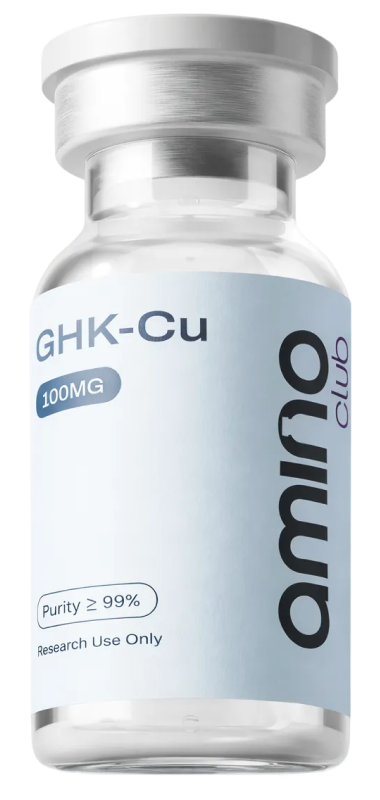
GHK-Cu
Anti-Aging Compound
Transparency: Some links are affiliate links. If you purchase through these links, we earn a commission at no extra cost to you. This allows us to maintain independent testing. Our recommendations are never influenced by commissions.
Introduction
The word “peptide” comes up more and more in conversations about health, cosmetics, and biohacking. Anti-aging peptide serums, collagen peptides, therapeutic peptides — the term is everywhere. But what does it actually mean?
Peptides are fundamental molecules of life. Present in every cell of your body, they participate in biological processes as diverse as growth, tissue repair, cellular communication, and immune defense. Understanding what a peptide is means understanding one of the most basic mechanisms of biology.
This guide aims to give you a clear and comprehensive understanding of peptides: their chemical definition, their different types, their role in the body, and their current applications in medicine and cosmetics. Whether you are a healthcare professional, a skincare enthusiast, or simply curious, this guide is designed for you.
Definition of a Peptide
A peptide is a biological molecule consisting of a short chain of amino acids linked together by peptide bonds. The term comes from the Greek peptós (πεπτός), meaning “digested” — a historical reference to their discovery in the context of protein digestion.
To be precise, a peptide is defined as a chain containing between 2 and approximately 50 amino acids. This convention, though arbitrary, helps distinguish peptides from proteins, which are longer and more complex chains.
Amino acids are the basic units. There are 20 standard ones in the human genetic code (alanine, glycine, leucine, etc.), each with a distinct chemical structure. It is the order — the sequence — in which these amino acids are assembled that determines the identity and function of each peptide.
A few examples to illustrate:
- Dipeptide (2 amino acids): carnosine (beta-alanine + histidine), a natural antioxidant found in muscles
- Tripeptide (3 amino acids): glutathione (glutamate + cysteine + glycine), the body's “master antioxidant“
- Pentadecapeptide (15 amino acids): BPC-157, a research peptide studied for tissue repair
Each unique combination of amino acids produces a peptide with specific biological properties. It is this diversity that makes peptides such versatile and important molecules in biology.
Chemical Structure and Peptide Bond
The peptide bond is the chemical cement that joins amino acids together to form a peptide. Understanding this bond means understanding how peptides are built.
Each amino acid has two essential functional groups: an amine group (−NH₂) and a carboxyl group (−COOH). When two amino acids come together, the carboxyl group of the first reacts with the amine group of the second in a condensation reaction. This reaction releases a water molecule (H₂O) and forms a covalent C−N bond: this is the peptide bond.
The peptide bond has remarkable chemical properties:
- Partial rigidity: Unlike a simple covalent bond, the peptide bond has a partial double-bond character, which prevents free rotation around the C−N axis. This rigidity directly influences the three-dimensional shape of the peptide.
- Planarity: The six atoms involved in the peptide bond (Cα, C, O, N, H, Cα) lie in the same plane. This planarity is fundamental to understanding secondary structures (alpha helices, beta sheets).
- Stability: The peptide bond is thermodynamically stable under physiological conditions. Its cleavage (hydrolysis) requires the action of specific enzymes called proteases or peptidases.
The peptide chain thus formed has a directionality: an N-terminal end (with a free amine group) and a C-terminal end (with a free carboxyl group). By convention, a peptide's sequence is always written from the N-terminal to the C-terminal.
Beyond the primary structure (sequence), longer peptides can adopt secondary structures — alpha helices or beta sheets — stabilized by hydrogen bonds between the C=O and N−H groups of the main chain. These three-dimensional structures are crucial for the peptide's biological activity.
The Different Types of Peptides
Peptides are classified according to several criteria: their size, origin, structure, or function. Here are the main categories:
Classification by size:
- Dipeptides (2 amino acids) — e.g.: carnosine, anserine
- Tripeptides (3 amino acids) — e.g.: glutathione, GHK-Cu
- Oligopeptides (2 to 20 amino acids) — e.g.: enkephalins, oxytocin
- Polypeptides (20 to 50 amino acids) — e.g.: insulin (51 AA, at the boundary), glucagon (29 AA)
Classification by biological function:
- Hormonal peptides: They act as chemical messengers in the endocrine system. Insulin, oxytocin, vasopressin, and glucagon are among the best known. These peptides regulate vital functions such as blood sugar, reproduction, and water balance.
- Neuropeptides: Active in the nervous system, they modulate synaptic transmission and behaviors. Endorphins (“happiness hormones”), substance P (pain), and neuropeptide Y (appetite) are major examples.
- Antimicrobial peptides (AMPs): Produced by the innate immune system, these peptides form a first line of defense against pathogens. Defensins and cathelicidins destroy bacterial membranes and regulate the immune response.
- Cell signaling peptides: They orchestrate communication between cells. Peptide growth factors (EGF, FGF, PDGF) control cell proliferation, differentiation, and migration.
Classification by structure:
- Linear peptides: A straight chain of amino acids without branching. This is the most common form.
- Cyclic peptides: The chain folds back on itself to form a ring, often stabilized by disulfide bridges. Cyclosporine (an immunosuppressant) is a famous example. Cyclic peptides are generally more resistant to enzymatic degradation.
- Branched peptides: Side chains of amino acids are grafted onto the main chain, creating a complex architecture.
Peptides vs Proteins: What's the Difference?
The distinction between peptides and proteins is often a source of confusion. In reality, both are made from the same building blocks — amino acids — but they differ in their size, structural complexity, and biological properties.
The 50-amino-acid rule: By biochemical convention, we refer to peptides for chains of 2 to approximately 50 amino acids, and proteins beyond that. This boundary is not absolute — insulin, with its 51 amino acids, is sometimes called a peptide, sometimes a protein. But this convention remains widely used in the scientific literature.
Structural differences:
- Peptides: Often have a flexible structure, sometimes with no defined three-dimensional conformation in solution. Some adopt stable conformations only when interacting with their target receptors.
- Proteins: Have a complex and defined three-dimensional structure (tertiary, quaternary), maintained by hydrogen bonds, hydrophobic interactions, disulfide bridges, and Van der Waals forces. This 3D structure is essential to their function.
Functional differences:
- Peptides: Often act as messengers or signals (peptide hormones, neurotransmitters). Their small size allows them to diffuse rapidly and interact with membrane receptors.
- Proteins: Fulfill structural functions (collagen, keratin), enzymatic functions (trypsin, DNA polymerase), transport functions (hemoglobin), and immune functions (antibodies).
Pharmacological differences: In therapeutics, peptides offer specific advantages: high specificity for their targets, low toxicity (natural metabolites), and fewer drug interactions. However, they are often less stable than proteins and more sensitive to enzymatic degradation, which poses challenges for their administration.
Natural Peptides in the Human Body
Your body is a veritable peptide factory. Hundreds of different peptides are produced continuously to regulate essential biological functions. Here are the main ones:
Insulin and glucagon: These two hormonal peptides produced by the pancreas regulate blood sugar levels. Insulin (51 AA) lowers blood sugar by facilitating glucose entry into cells. Glucagon (29 AA) does the opposite: it stimulates glucose release from the liver. Their balance is vital — a dysfunction leads to diabetes.
Oxytocin: Nicknamed the “love hormone,” this nonapeptide (9 AA) is secreted by the hypothalamus. It plays a central role in childbirth (uterine contractions), breastfeeding (milk ejection), and social bonding (attachment, trust, empathy).
Endorphins: These neuropeptides are the body's natural painkillers. Produced in response to pain, stress, or physical exercise, they bind to opioid receptors in the brain to reduce the sensation of pain and induce a feeling of well-being — the famous “runner's high.“
Glutathione: This tripeptide (glutamate-cysteine-glycine) is the main intracellular antioxidant. Present in virtually all cells, it protects against oxidative stress, participates in liver detoxification, and supports the immune system. Its levels decline with age, contributing to cellular aging.
Defensins and cathelicidins: These antimicrobial peptides form the first line of innate defense against infections. Secreted by epithelial cells and neutrophils, they perforate the membranes of bacteria, fungi, and enveloped viruses. Their role is so fundamental that deficiencies in antimicrobial peptides are associated with increased susceptibility to infections.
GHK-Cu: This copper tripeptide, naturally present in blood plasma, stimulates collagen production, accelerates wound healing, and possesses anti-inflammatory properties. Its plasma concentration decreases significantly with age, dropping from 200 ng/mL at age 20 to 80 ng/mL at age 60.
Peptides in Medicine
Therapeutic peptides represent one of the most dynamic segments of the pharmaceutical industry. In 2026, over 80 peptide drugs are approved worldwide, and more than 150 are in clinical trials. The global therapeutic peptide market exceeds $50 billion.
Why are peptides of such interest to medicine?
- High specificity: Peptides bind to their receptors with remarkable precision, reducing off-target effects.
- Good tolerability: Metabolized into natural amino acids, they produce few toxic metabolites.
- Diversity of action: A single peptide can modulate multiple biological pathways simultaneously.
Examples of major peptide drugs:
- Insulin: The first therapeutic peptide (1922), still one of the most widely used worldwide for the treatment of diabetes.
- Semaglutide (Ozempic/Wegovy): A GLP-1 analogue, this peptide has revolutionized the treatment of type 2 diabetes and obesity. It has become one of the most prescribed medications worldwide in 2025–2026.
- Cyclosporine: A cyclic peptide immunosuppressant used after organ transplants and in certain autoimmune diseases.
- Desmopressin: A synthetic analogue of vasopressin, used for diabetes insipidus and nocturnal enuresis.
Promising research peptides: Beyond approved drugs, several peptides are at the preclinical or early clinical research stage. BPC-157 is being studied for tissue repair, TB-500 (a fragment of Thymosin Beta-4) for wound healing and joint mobility, and KPV (a tripeptide derived from alpha-MSH) for its anti-inflammatory properties. These peptides are not yet approved as drugs and remain in the research domain.
Peptides in Cosmetics
The cosmetics industry has massively adopted peptides over the past two decades. Today, peptide serums and creams are among the most popular and scientifically well-documented anti-aging products.
The four categories of cosmetic peptides:
- Signal peptides: They send a message to skin cells to stimulate the production of collagen, elastin, and other components of the extracellular matrix. Matrixyl (palmitoyl pentapeptide-4) and Matrixyl 3000 are the best known. Clinical studies have shown a 36% reduction in wrinkles after 2 months of use.
- Neurotransmitter-inhibiting peptides: They block the release of acetylcholine at the neuromuscular junction, reducing the micro-contractions that form expression lines. Argireline (acetyl hexapeptide-8) is nicknamed “topical Botox” for this reason.
- Carrier peptides: They deliver essential trace elements to skin cells. GHK-Cu transports copper, an enzymatic cofactor crucial for collagen synthesis and antioxidant activity.
- Enzyme-inhibiting peptides: They block enzymes that degrade collagen and elastin (matrix metalloproteinases, or MMPs). By inhibiting these enzymes, they preserve the existing collagen reserves.
Proven efficacy: Unlike many cosmetic ingredients, several peptides have solid clinical data. Double-blind, placebo-controlled trials have demonstrated the efficacy of Matrixyl 3000 in reducing wrinkles, and that of GHK-Cu in improving skin thickness and firmness. These results place peptides among the best-validated anti-aging actives, alongside retinol and vitamin C.
Limitations: The main limitation of cosmetic peptides is skin penetration. Peptides are hydrophilic molecules that have difficulty crossing the lipid barrier of the epidermis. To overcome this problem, the industry uses chemical modifications (palmitoylation, acetylation) and advanced delivery systems (liposomes, nanoparticles).
The Future of Peptide Research
Peptide research is accelerating at an unprecedented pace. Several major trends are shaping the future of this field:
Artificial intelligence and peptide design: AI is revolutionizing the discovery of new peptides. Deep learning algorithms can now predict the structure, stability, and biological activity of peptides that do not yet exist in nature. This approach, known as de novo peptide design, is considerably accelerating the development process for new therapeutic candidates.
Cyclic peptides and stapled peptides: To overcome stability and bioavailability limitations, researchers are developing modified peptides — cyclic, stapled, or incorporating non-natural amino acids. These modifications improve resistance to enzymatic degradation and facilitate passage through biological barriers, including the intestinal barrier for oral administration.
Peptide blends: The strategic combination of several peptides with complementary mechanisms is an emerging trend. Blends such as KLOW (BPC-157 + TB-500 + GHK-Cu + KPV) or GLOW (BPC-157 + TB-500 + GHK-Cu) leverage synergy between peptides to maximize potential therapeutic effects.
Peptides and personalized medicine: In the long term, the combination of genomics and peptide research could enable the design of personalized peptide treatments tailored to the genetic and biological profile of each individual.
Peptides are no longer mere biochemical curiosities. They have become first-line therapeutic tools and essential cosmetic ingredients. With current technological advances, their potential is only beginning to be explored.
Sources
- Fosgerau K, Hoffmann T. (2015). Peptide therapeutics: current status and future directions. Drug Discovery Today, 20(1), 122-128.
- Lau JL, Dunn MK. (2018). Therapeutic peptides: Historical perspectives, current development trends, and future directions. Bioorganic & Medicinal Chemistry, 26(10), 2700-2707.
- Fields K, Falla TJ, Rodan K, Bush L. (2009). Bioactive peptides: signaling the future. Journal of Cosmetic Dermatology, 8(1), 8-13.
- Pickart L, Vasquez-Soltero JM, Margolina A. (2015). GHK peptide as a natural modulator of multiple cellular pathways in skin regeneration. BioMed Research International, 2015, 648108.
- Muttenthaler M, King GF, Adams DJ, Alewood PF. (2021). Trends in peptide drug discovery. Nature Reviews Drug Discovery, 20(4), 309-325.
- Wang L, Wang N, Zhang W, et al. (2022). Therapeutic peptides: current applications and future directions. Signal Transduction and Targeted Therapy, 7(1), 48.