Overview
BPC-157 (Body Protection Compound-157) is a synthetic pentadecapeptide composed of 15 amino acids, derived from a protein naturally present in human gastric juice. This peptide was first isolated and identified in the 1990s by Croatian researchers, who observed its remarkable protective properties on gastrointestinal tract tissues.
Unlike many synthetic peptides, BPC-157 exhibits notable stability in the acidic environment of the stomach, distinguishing it from conventional growth factors. Its unique peptide sequence confers resistance to enzymatic degradation, thereby facilitating its study in various experimental models. BPC-157 has no known structural homologue among cataloged growth factors.
Preclinical research has revealed a broad spectrum of biological activities, including gastric cytoprotection, modulation of the nitric oxide (NO) pathway, and interaction with the dopaminergic system. These properties make BPC-157 a particularly active subject of study in the fields of regenerative medicine and experimental gastroenterology. BPC-157 is a key component of blends such as Klow Peptide and Glow Peptide.
Recommended products
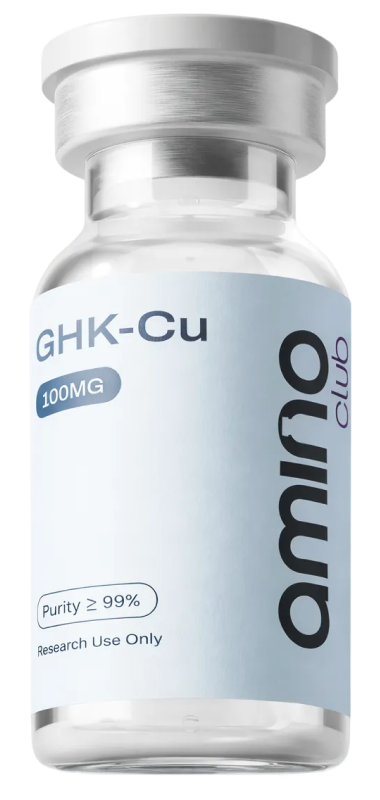
GHK-Cu
Anti-Aging Compound
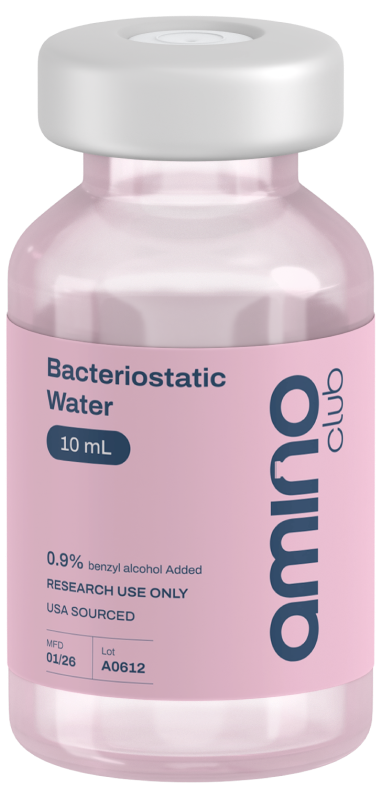
Bacteriostatic Water
Supplies
Transparency: Some links are affiliate links. If you purchase through these links, we earn a commission at no extra cost to you. This allows us to maintain independent testing. Our recommendations are never influenced by commissions.
Mechanism of Action
The mechanism of action of BPC-157 relies on several interconnected biological pathways. One of the main identified targets is the nitric oxide (NO) pathway, where the peptide acts as a modulator of NO synthesis via NO synthase (NOS) enzymes. This modulation regulates local vascular tone, promoting angiogenesis and tissue perfusion in injured areas. In vitro studies have demonstrated that BPC-157 stimulates the expression of vascular endothelial growth factor (VEGF) and fibroblast growth factor (FGF).
At the cellular level, BPC-157 interacts with the FAK-paxillin system, a signaling pathway essential for cell migration and extracellular matrix reorganization. This interaction facilitates the recruitment of fibroblasts and endothelial cells to injury sites, thereby accelerating tissue repair processes. The peptide also influences the expression of genes involved in the production of type I and III collagen.
Furthermore, BPC-157 modulates the central dopaminergic and serotonergic systems, which could explain the neuroprotective effects observed in animal models. Recent work suggests an interaction with the JAK-2/STAT-3 pathway, involved in the inflammatory response and cell survival, reinforcing the hypothesis of a pleiotropic mechanism of action.
Studied Benefits
Gastrointestinal Protection
BPC-157 has demonstrated significant cytoprotective effects on the gastric mucosa in animal models of ulcers induced by ethanol, NSAIDs, and stress. It promotes healing of intestinal lesions by stimulating local angiogenesis and modulating the inflammatory response.
Tendon and Ligament Repair
In preclinical studies on tendon injury models (Achilles tendon, rotator cuff), BPC-157 accelerated healing by increasing tendon fibroblast proliferation and collagen synthesis, with measurable improvement in the biomechanical properties of the repaired tissue.
Neuroprotective Effects
Research on models of traumatic brain injury and ischemia has shown that BPC-157 reduces the extent of neuronal damage. The peptide appears to exert a protective effect through modulation of the dopaminergic and serotonergic systems, as well as through reduction of oxidative stress.
Blood Pressure Modulation
BPC-157 has shown regulatory properties on blood pressure in experimentally induced hypertension and hypotension models. These effects are attributed to its action on the NO system, enabling vascular tone adjustment according to physiological conditions.
Research Status
Research on BPC-157 is currently at an advanced preclinical stage, with a scientific literature comprising more than 100 peer-reviewed publications. The vast majority of data comes from in vivo studies conducted on murine and rat models, as well as in vitro experiments on cell cultures. No phase III clinical trial in humans has been published to date in indexed journals.
The most robust findings concern gastroprotective effects and soft tissue healing. Several independent studies have reproduced the initial results of Sikiric's team regarding gastric ulcer and tendon injury healing, strengthening the credibility of these observations. More recent research explores the neuroprotective potential and effects on the cardiovascular system.
Current research limitations include the absence of large-scale randomized clinical trials in humans, an still partial understanding of the precise molecular mechanisms, and a lack of detailed pharmacokinetic data in humans. The scientific community emphasizes the need to conduct controlled clinical studies to validate the promising preclinical observations.
Safety and Side Effects
In published preclinical studies, BPC-157 presents a favorable safety profile. Acute and subchronic toxicity studies in rats have not revealed significant toxicity at the therapeutic doses studied. No mortality attributable to the peptide has been reported in published animal studies, even at doses far exceeding effective doses (up to 10 mg/kg).
Available data do not indicate mutagenic, teratogenic, or carcinogenic effects in the models tested. However, it is important to note that these observations come exclusively from animal studies and that safety data in humans remain very limited. Complete pharmacokinetic profiles (absorption, distribution, metabolism, excretion) have not been fully characterized in humans.
In the absence of completed and published phase I/II/III clinical trials, it is impossible to establish a complete profile of potential adverse effects in humans. The use of BPC-157 remains within the scope of experimental research. Any human application should be governed by rigorous clinical protocols and supervised by qualified healthcare professionals.
Frequently Asked Questions
What exactly is BPC-157?
Has BPC-157 been tested in humans?
What are the main research areas for BPC-157?
Is BPC-157 stable in the stomach?
What is the difference between BPC-157 and other reparative peptides like TB-500?
Scientific Sources
- Sikiric P, Seiwerth S, Rucman R, et al. (2014). Stable gastric pentadecapeptide BPC 157: novel therapy in gastrointestinal tract. Current Pharmaceutical Design, 20(8), 1138-1145.
- Chang CH, Tsai WC, Lin MS, et al. (2011). The promoting effect of pentadecapeptide BPC 157 on tendon healing involves tendon outgrowth, cell survival, and cell migration. Journal of Applied Physiology, 110(3), 774-780.
- Sikiric P, Seiwerth S, Rucman R, et al. (2018). Brain-gut axis and pentadecapeptide BPC 157: Theoretical and practical implications. Current Neuropharmacology, 16(5), 566-583.
- Vukojević J, Siroglavić M, Kašnik K, et al. (2018). Rat inferior caval vein (ICV) ligature and particular pentadecapeptide BPC 157 action. Vascular Pharmacology, 106, 54-66.
- Krivic A, Anic T, Seiwerth S, et al. (2006). Achilles detachment in rat and stable gastric pentadecapeptide BPC 157: Promoted tendon-to-bone healing and target therapy. Journal of Orthopaedic Research, 24(5), 982-989.
- Sikiric P, Rucman R, Turkovic B, et al. (2020). Novel cytoprotective mediator, stable gastric pentadecapeptide BPC 157. Vascular recruitment and gastrointestinal tract healing. Current Pharmaceutical Design, 26(25), 2991-3000.