Overview
Matrixyl 3000 is a patented peptide complex developed by Sederma laboratory, composed of two lipophilic peptides: palmitoyl tripeptide-1 (Pal-GHK) and palmitoyl tetrapeptide-7 (Pal-GQPR). This synergistic combination was designed to simultaneously target the two major processes of skin aging: extracellular matrix degradation and chronic low-grade inflammation (inflammaging).
Palmitoyl tripeptide-1 is a lipid derivative of the tripeptide GHK, which acts as a matrix fragment (matrikine) mimicking collagen degradation products. Palmitoyl tetrapeptide-7, derived from the GQPR sequence of immunoglobulin G, targets the inflammatory component of aging. The addition of the palmitoyl chain significantly improves the cutaneous penetration of both peptides.
Since its introduction to the cosmetic market in 2003, Matrixyl 3000 has become one of the most widely used peptide actives in premium anti-aging formulations. Its efficacy has been supported by several clinical studies, establishing its status as a reference among cosmetic peptides targeting wrinkle reduction. For a detailed comparison with Argireline, see our article Matrixyl vs Argireline. Also discover how peptides are used in cosmetics in our guide to cosmetic peptides.
Recommended products
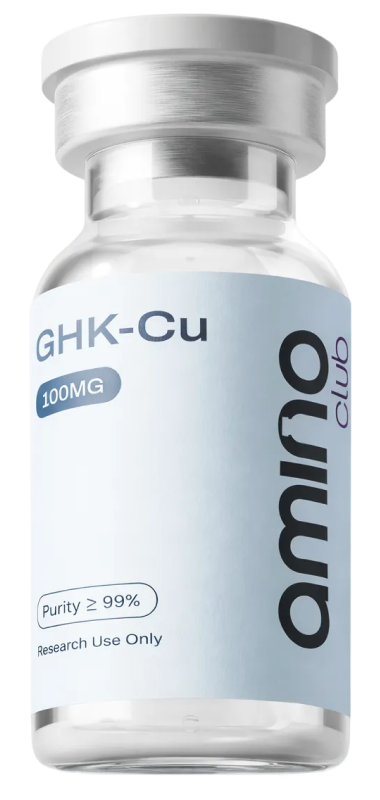
GHK-Cu
Anti-Aging Compound
Transparency: Some links are affiliate links. If you purchase through these links, we earn a commission at no extra cost to you. This allows us to maintain independent testing. Our recommendations are never influenced by commissions.
Mechanism of Action
Palmitoyl tripeptide-1 (Pal-GHK) acts by mimicking matrikines, peptide fragments resulting from the natural degradation of extracellular matrix proteins. When collagen is degraded, the released fragments (including GHK) serve as biological signals stimulating fibroblasts to produce new collagen fibers. Pal-GHK reproduces this signal by activating fibroblast matrix receptors, triggering the synthesis of collagen I, III, and IV, as well as fibronectin and hyaluronic acid.
Palmitoyl tetrapeptide-7 (Pal-GQPR) targets the inflammatory pathway by inhibiting the release of interleukin-6 (IL-6) by keratinocytes. IL-6 is a pro-inflammatory cytokine whose levels increase with age and contribute to chronic degradation of the extracellular matrix. By reducing this low-grade inflammation, Pal-GQPR preserves the structural integrity of the dermis and limits glycation of existing collagen.
The synergy between these two peptides creates a dual mechanism of action: stimulation of matrix neosynthesis (Pal-GHK) and protection against inflammatory degradation (Pal-GQPR). The palmitoyl chain (C16 palmitic acid) grafted onto each peptide confers increased lipophilicity, facilitating passage through the lipid barrier of the stratum corneum and allowing the peptides to reach the deeper layers of the epidermis and the superficial dermis.
Studied Benefits
Wrinkle and Fine Line Reduction
Double-blind clinical studies have demonstrated a significant reduction in wrinkle depth and volume after 2 months of topical application of Matrixyl 3000. Profilometric measurements show an average decrease of 15 to 30% in periorbital wrinkle depth depending on the study.
Collagen Synthesis Stimulation
In vitro studies on human dermal fibroblasts have shown that Matrixyl 3000 stimulates the production of type I and IV collagen in a dose-dependent manner. The synergistic effect of the two combined peptides is superior to that of each peptide used alone, confirming the value of the combined formulation.
Skin Anti-Inflammatory Effect
Palmitoyl tetrapeptide-7 reduces the production of IL-6 and other pro-inflammatory mediators by keratinocytes. This action limits cutaneous inflammaging, a chronic inflammatory process associated with aging that accelerates extracellular matrix degradation and impairs the skin's barrier function.
Improved Firmness and Elasticity
Clinical studies report measurable improvement in skin firmness and elasticity with regular use of Matrixyl 3000. These effects are attributed to the increased density of the collagen and fibronectin network in the dermis, as well as stimulation of hyaluronic acid production.
Research Status
Matrixyl 3000 holds a clinically validated status among cosmetic peptides, with several published studies evaluating its efficacy on human volunteers. Clinical trials conducted by Sederma and independent laboratories have used standardized methodologies including optical profilometry, skin ultrasound, and blinded clinical evaluations by dermatologists.
In vitro studies on human skin explants and fibroblast cultures have characterized the molecular mechanisms of each component. Results show a significant increase in collagen I synthesis (up to 100% for Pal-GHK alone) and a 30 to 50% reduction in IL-6 secretion by Pal-GQPR. The synergistic effect of the combination has been confirmed in reconstructed skin models.
Although Matrixyl 3000 is among the best-documented cosmetic peptides, certain limitations should be noted. The majority of clinical studies have been funded or co-funded by the manufacturer, and sample sizes remain modest (typically 20 to 40 subjects). Larger independent studies would strengthen the evidence base. Nevertheless, the consistency of results across different studies reinforces the credibility of the observations.
Safety and Side Effects
Matrixyl 3000 has an excellent safety profile for topical cosmetic use. Skin tolerance tests conducted according to regulatory protocols (48-hour patch test, usage test under dermatological supervision) have not revealed significant irritation or sensitization. The complex is considered non-comedogenic and compatible with sensitive skin at recommended use concentrations.
The two peptides comprising Matrixyl 3000 are fragments of proteins naturally present in the body (collagen matrikines and immunoglobulin fragments), which contributes to their biocompatibility. The palmitoyl chain is a natural fatty acid (palmitic acid), metabolized through standard lipid pathways. No systemic toxicity has been reported in published studies.
Documented adverse effects are rare and mild: slight transient redness or a warming sensation may occur in the most reactive skin types during initial applications. These reactions generally disappear with continued use. No drug interactions have been reported with common dermatological treatments (retinol, fruit acids, vitamin C).
Frequently Asked Questions
What is the difference between Matrixyl and Matrixyl 3000?
At what concentration is Matrixyl 3000 effective?
Can Matrixyl 3000 be combined with other anti-aging actives?
How long does it take to see results?
Scientific Sources
- Robinson LR, Fitzgerald NC, Piacquadio DG, et al. (2005). Topical palmitoyl pentapeptide provides improvement in photoaged human facial skin. International Journal of Cosmetic Science, 27(3), 155-160.
- Lintner K, Peschard O. (2000). Biologically active peptides: from a laboratory bench curiosity to a functional skin care product. International Journal of Cosmetic Science, 22(3), 207-218.
- Schagen SK. (2017). Topical peptide treatments with effective anti-aging results. Cosmetics, 4(2), 16.
- Errante F, Ledwoń P, Bhatt TK, et al. (2020). Cosmeceutical peptides in the framework of sustainable wellness economy. Molecules, 25(9), 2090.
- Gorouhi F, Maibach HI. (2009). Role of topical peptides in preventing or treating aged skin. International Journal of Cosmetic Science, 31(5), 327-345.