Overview
TB-500 is a synthetic peptide derived from thymosin beta-4 (TB4), a 43-amino acid protein naturally present in nearly all nucleated cells of the body. Thymosin beta-4 was initially isolated from the thymus in the 1960s, but subsequent research revealed its ubiquitous expression in human tissues, with particularly high concentrations in blood platelets, leukocytes, and migrating cells.
TB-500 contains the active sequence of thymosin beta-4, notably the central LKKTETQ domain, identified as the primary motif responsible for the protein's biological activity on cell migration and tissue repair. This fragment retains the key properties of the parent molecule while offering better experimental manageability and a reduced molecular mass.
Thymosin beta-4 is the main sequestering peptide of G-actin (monomeric actin) in eukaryotic cells. This fundamental function in actin cytoskeleton regulation gives it a central role in cell motility, morphogenesis, and tissue repair processes. Research on TB-500 falls within the broader field of regenerative medicine and wound healing biology. TB-500 is a key component of blends such as Klow Peptide and Glow Peptide.
Recommended products
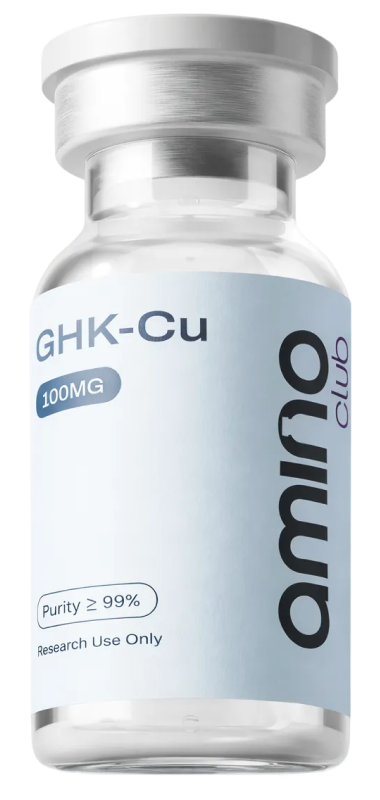
GHK-Cu
Anti-Aging Compound
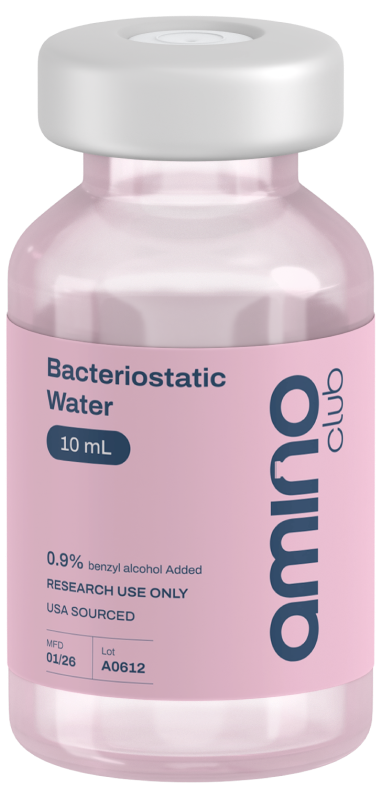
Bacteriostatic Water
Supplies
Transparency: Some links are affiliate links. If you purchase through these links, we earn a commission at no extra cost to you. This allows us to maintain independent testing. Our recommendations are never influenced by commissions.
Mechanism of Action
The primary mechanism of action of TB-500 is based on actin cytoskeleton regulation. Thymosin beta-4 binds to monomeric G-actin with a 1:1 stoichiometry, forming a complex that prevents spontaneous polymerization of actin into filaments (F-actin). By regulating the available G-actin pool, TB-500 controls cytoskeletal dynamics, a process essential for cell migration, lamellipodia formation, and cytokinesis.
Beyond actin sequestration, TB-500 activates several signaling pathways involved in tissue repair. It stimulates the Akt/mTOR pathway, promoting cell survival and apoptosis inhibition. The peptide also induces the expression of vascular endothelial growth factor (VEGF) and angiopoietin-1, promoting angiogenesis in injured tissues. Studies have shown that TB-500 upregulates laminin-5 and beta-3 integrin, proteins involved in cell adhesion and migration.
TB-500 also exerts significant anti-inflammatory effects. It modulates the NF-kB pathway, reducing the production of pro-inflammatory cytokines (TNF-alpha, IL-1beta, IL-6) and attenuating inflammatory cell recruitment to the injury site. This dual action, pro-regenerative and anti-inflammatory, creates a microenvironment favorable to wound healing, limiting fibrotic scar tissue formation in favor of more complete tissue regeneration.
Studied Benefits
Post-infarction cardiac repair
Preclinical studies in murine models of myocardial infarction have shown that thymosin beta-4 reduces the size of the infarcted area, improves left ventricular contractile function, and stimulates neovascularization of injured cardiac tissue. These effects are attributed to the activation of cardiac progenitor cells and the anti-apoptotic effect of the peptide.
Accelerated skin wound healing
Thymosin beta-4 accelerates skin wound healing in animal models by stimulating keratinocyte and endothelial cell migration, increasing angiogenesis, and promoting organized collagen deposition. Studies on chronic wound models (diabetic) show a significant improvement in closure time.
Neuroprotection and neuronal regeneration
Research on models of traumatic brain injury and stroke has shown that thymosin beta-4 reduces neuronal inflammation, promotes oligodendrocyte survival, and stimulates remyelination. The peptide improves functional neurological scores in animal models of central nervous system injuries.
Corneal injury repair
One of the most clinically advanced applications of thymosin beta-4 concerns corneal wound healing. Phase II clinical trials (RGN-259) have evaluated the efficacy of topical ophthalmic thymosin beta-4 in the treatment of dry eye disease and neurotrophic corneal lesions, with encouraging results.
Research Status
Research on thymosin beta-4 and TB-500 covers a broad disciplinary spectrum, from fundamental cell biology to clinical trials. The scientific literature comprises over 300 peer-reviewed publications, with a notable acceleration of research since the pioneering work of Sosne and Kleinman on regenerative effects in the 2000s.
The most robust preclinical studies concern regenerative cardiology and skin wound healing. The work of Bock-Marquette and collaborators (2004) demonstrated the cardioprotective effect of thymosin beta-4 in a murine model of myocardial ischemia, a finding confirmed by several independent teams. In ophthalmology, the clinical development of RGN-259 (topical thymosin beta-4 formulation) represents the most advanced therapeutic application, with Phase II/III trials for dry eye disease.
Current limitations include the complexity of the mechanisms of action, which makes it difficult to identify predictive biomarkers of response, the lack of detailed pharmacokinetic data for synthetic TB-500, and the difficulty of translating effective doses from animal models to humans. TB-500 is also listed on the World Anti-Doping Agency (WADA) prohibited substances list, due to its potential for enhancing tissue recovery.
Safety and Side Effects
The safety profile of thymosin beta-4 is generally favorable in published preclinical studies. Acute and chronic toxicity studies in rodents and dogs have not revealed significant toxicity at therapeutic doses. In ophthalmic clinical trials (RGN-259), the topical thymosin beta-4 formulation was well tolerated, with no serious adverse effects attributable to the treatment.
A theoretical concern involves the potential role of thymosin beta-4 in tumor progression. Indeed, elevated levels of thymosin beta-4 have been observed in certain types of tumors, and the peptide could theoretically promote tumor angiogenesis and metastasis by increasing cell motility. However, available studies do not demonstrate that exogenous administration of thymosin beta-4 induces or accelerates carcinogenesis, and the peptide has even shown anti-tumor effects in certain models.
For TB-500 specifically, human safety data are limited, as the majority of clinical trials use complete thymosin beta-4 rather than the synthetic fragment. Anecdotally reported side effects include transient headaches, mild lethargy, and injection site discomfort. The use of TB-500 remains within the scope of experimental research, and its status as a WADA-prohibited substance underscores the need for strict oversight.
Frequently Asked Questions
What is the difference between TB-500 and thymosin beta-4?
Is TB-500 banned in sports?
What are the most advanced research areas for TB-500?
Can TB-500 promote cancer?
Scientific Sources
- Goldstein AL, Hannappel E, Sosne G, et al. (2012). Thymosin β4: a multi-functional regenerative peptide. Basic properties and clinical applications. Expert Opinion on Biological Therapy, 12(1), 37-51.
- Bock-Marquette I, Saxena A, White MD, et al. (2004). Thymosin beta4 activates integrin-linked kinase and promotes cardiac cell migration, survival and cardiac repair. Nature, 432(7016), 466-472.
- Sosne G, Qiu P, Goldstein AL, et al. (2010). Biological activities of thymosin beta4 defined by active sites in short peptide sequences. FASEB Journal, 24(7), 2144-2151.
- Philp D, Badamchian M, Scheremeta B, et al. (2003). Thymosin beta 4 and a synthetic peptide containing its actin-binding domain promote dermal wound repair in db/db diabetic mice and in aged mice. Wound Repair and Regeneration, 11(1), 19-24.
- Crockford D, Turjman N, Allan C, et al. (2010). Thymosin beta4: structure, function, and biological properties supporting current and future clinical applications. Annals of the New York Academy of Sciences, 1194(1), 179-189.