
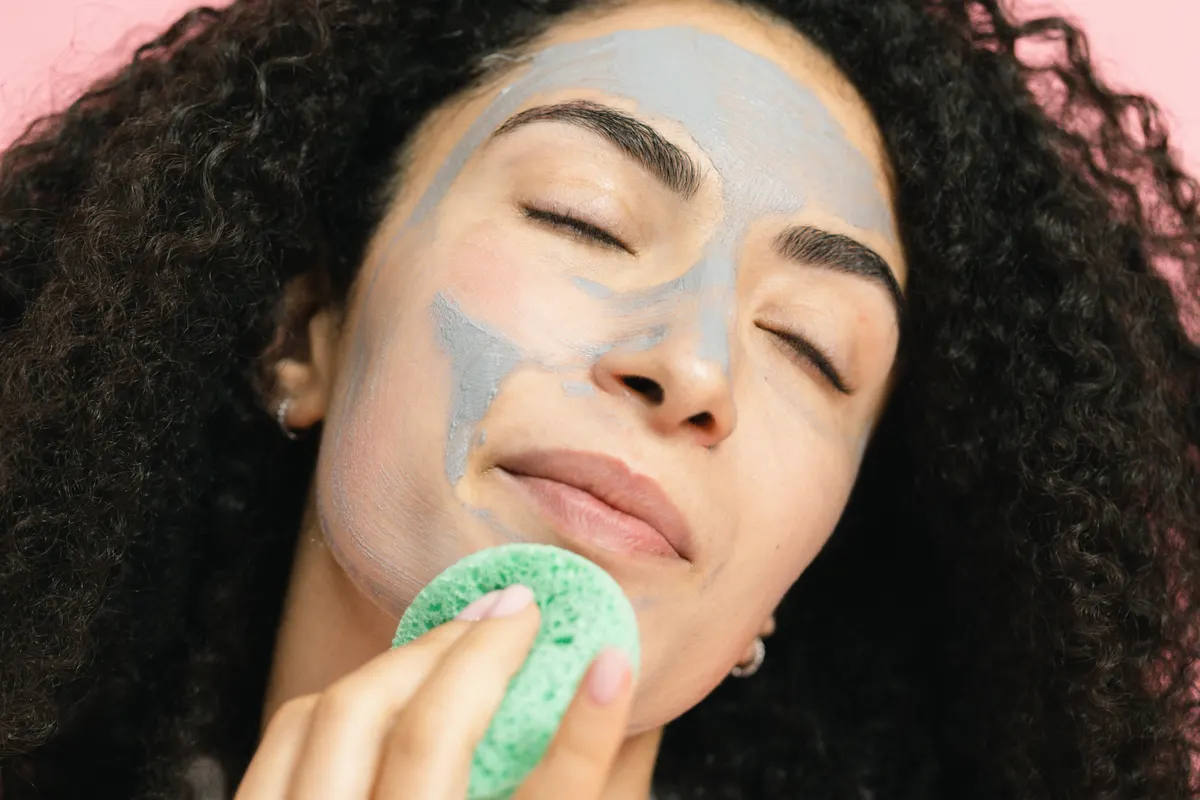
- Peptides are protein fragments that act as cellular messengers, stimulating collagen, elastin, and hyaluronic acid production in the skin.
- There are four main categories of cosmetic peptides: signal peptides, carrier peptides, neuropeptides, and enzyme-inhibitor peptides.
- Each skin concern has its reference peptide: Argireline for expression lines, Matrixyl for collagen, GHK-Cu for overall regeneration.
- Peptides combine well with hyaluronic acid, niacinamide, and ceramides, but require caution with strong acids (AHA/BHA) and high-concentration vitamin C.
- First visible results appear between 4 and 8 weeks of regular use, with optimal effects at 12 weeks.
Why peptides are revolutionary for skincare
Peptides have become one of the most sought-after ingredients in dermocosmetics, and for good reason. These short chains of amino acids — the building blocks of proteins — act as true cellular messengers, capable of communicating directly with skin cells to stimulate specific biological processes.
Unlike many cosmetic ingredients that only work on the surface, peptides can penetrate the upper layers of the epidermis thanks to their low molecular weight (generally under 500 daltons). Once in the skin, they trigger signaling cascades that stimulate the production of collagen, elastin, and hyaluronic acid — the three structural pillars of youthful, firm skin.
Research on cosmetic peptides has accelerated remarkably over the past two decades. Clinical studies show significant results on wrinkles, firmness, radiance, and skin texture, making peptides a credible complement — or even alternative — to invasive aesthetic procedures. This guide explores in depth how peptides work on the skin, which peptides to choose based on your concerns, and how to incorporate them effectively into your routine. For deeper dives into specific peptides, see our guides on Argireline, GHK-Cu, and Matrixyl 3000.
How peptides work on skin
To understand peptide efficacy, you first need to understand what happens in aging skin. With age, natural collagen production drops by approximately 1% per year starting at age 25. Elastin degrades, hyaluronic acid becomes scarce, and cellular repair capacity declines. Peptides intervene precisely in these mechanisms.
Cellular signaling: When collagen naturally breaks down in the skin, peptide fragments are released. These fragments act as an alarm signal for fibroblasts (the collagen-producing cells), telling them to produce new collagen to replace what has been lost. Cosmetic peptides mimic this natural signal, essentially "tricking" fibroblasts into increasing their production even without actual degradation occurring.
Collagen stimulation: Signal peptides like palmitoyl pentapeptide-4 (Matrixyl) bind to specific receptors on fibroblasts, activating TGF-beta and Smad signaling pathways that regulate collagen synthesis. In vitro studies show an increase in type I collagen production of up to 117% after treatment with certain peptides (Gorouhi & Maibach, 2009).
Skin barrier repair: Some peptides promote the synthesis of ceramides, cholesterol, and free fatty acids that make up the lipid barrier of the stratum corneum. An intact skin barrier is essential for retaining moisture, protecting against external aggressors (pollution, UV), and preventing chronic inflammation that accelerates aging.
Antioxidant activity: Peptides like GHK-Cu possess intrinsic antioxidant activity, increasing the expression of superoxide dismutase (SOD) and reducing free radical damage. This protection against oxidative stress is a fundamental anti-aging mechanism that complements collagen stimulation.
Types of cosmetic peptides
Not all cosmetic peptides work the same way. Science classifies them into four main categories based on their mode of action:
1. Signal Peptides: The most widespread in cosmetics. They send a signal to fibroblasts to stimulate the production of collagen, elastin, and other extracellular matrix components. The most well-known are palmitoyl pentapeptide-4 (Matrixyl), palmitoyl tripeptide-1/palmitoyl tetrapeptide-7 (Matrixyl 3000), and palmitoyl tripeptide-38 (Matrixyl Synthe'6). They form the foundational arsenal for firmness and wrinkle prevention. For a detailed comparison, see our article Matrixyl vs Argireline.
2. Carrier Peptides: They transport essential trace elements — notably copper and manganese — to skin cells. GHK-Cu (copper tripeptide-1) is the most studied example. By delivering copper directly to fibroblasts, it stimulates collagen synthesis via lysyl oxidase activation and promotes wound healing. It also modulates over 4,000 genes linked to tissue repair.
3. Neuropeptides: These peptides interfere with neuromuscular transmission to reduce the muscle contractions responsible for expression lines. Acetyl hexapeptide-8 (Argireline) is the most famous: it partially inhibits the SNARE complex, limiting acetylcholine release at the neuromuscular junction. The result: facial muscles contract less intensely, and expression lines (forehead, crow's feet) gradually fade.
4. Enzyme-Inhibitor Peptides: They block the enzymes responsible for collagen and elastin degradation — primarily matrix metalloproteinases (MMPs). By inhibiting these enzymes, they preserve existing collagen rather than stimulating new production. Soy-derived peptides and rice tripeptides are examples. Some also inhibit tyrosinase, reducing melanin production for a brightening effect.
Best peptides by skin concern
One of the major advantages of peptides is that they can be targeted to the specific skin concern you wish to address. Here is a guide based on available clinical data:
| Concern | Recommended Peptide | Mechanism of Action | Evidence Level |
|---|---|---|---|
| Expression lines (forehead, crow's feet) | Argireline (acetyl hexapeptide-8) | Inhibits SNARE complex, reduces muscle contractions | Strong — 17-30% wrinkle reduction in 28 days (Blanes-Mira et al., 2002) |
| Deep wrinkles and loss of firmness | Matrixyl 3000 (pal. tripeptide-1 + pal. tetrapeptide-7) | Stimulates collagen I, III, IV and fibronectin synthesis | Strong — significant wrinkle depth reduction in 8 weeks (Schagen, 2017) |
| Pigmentation and uneven skin tone | GHK-Cu (copper tripeptide-1) | Modulates tyrosinase, reduces melanin overproduction, evens skin tone | Moderate — visible radiance improvement after 8-12 weeks (Pickart et al., 2015) |
| Loss of firmness and sagging | Collagen peptides (palmitoyl pentapeptide-4) | Directly stimulates fibroblasts to increase collagen and elastin production | Strong — measurable increase in dermal thickness by ultrasound (Lupo & Cole, 2007) |
| Sensitive and reactive skin | GHK-Cu / Palmitoyl tetrapeptide-7 | Anti-inflammatory effect, reduces pro-inflammatory cytokines (IL-6, TNF-alpha) | Moderate — significant reduction in cutaneous inflammation in vivo |
Expression lines: Argireline is the go-to choice. At 5-10% concentration, this neuropeptide reduces the intensity of facial muscle contractions. Clinical studies show a 17-30% reduction in forehead wrinkle depth after 28 days of twice-daily application. It is particularly effective for prevention in those aged 25-40.
Collagen and firmness: Matrixyl 3000 is the most documented signal peptide. Its dual mechanism (collagen stimulation + inflammation reduction via interleukin-6) makes it a versatile active. For those seeking a comprehensive approach, combining Matrixyl with Argireline offers a particularly interesting synergy.
Regeneration and radiance: GHK-Cu is the most versatile peptide. Its tissue repair properties, genomic modulation (over 4,000 genes), and antioxidant activity make it the active of choice for mature or damaged skin. It is also excellent for sensitive skin thanks to its anti-inflammatory action.
To explore the best serums containing these peptides, see our selection of best peptide serums.
How to incorporate peptides into your routine
The effectiveness of peptides depends as much on their quality as on how you integrate them into your routine. Here is an optimal protocol based on scientific data and formulation expertise:
Application order (layering):
- Step 1 — Cleansing: Use a gentle cleanser (pH 5-6). An overly harsh cleanser compromises the skin barrier and reduces the effectiveness of peptides applied afterward.
- Step 2 — Toner: A hydrating toner prepares the skin and improves peptide absorption. Avoid alcohol-based toners.
- Step 3 — Peptide serum: This is when to apply your peptide serum. Aqueous serums are preferable since peptides are water-soluble and penetrate better in a lightweight base. Apply to slightly damp skin with gentle patting motions.
- Step 4 — Moisturizer: Lock in the peptides with a moisturizer containing ceramides, hyaluronic acid, or niacinamide. These ingredients complement peptide action.
- Step 5 — Sunscreen (morning): Essential. Peptides are not photosensitizing, but UV protection preserves the collagen you are stimulating.
Synergistic combinations:
- Peptides + Hyaluronic acid: Excellent synergy. HA optimizes hydration while peptides stimulate endogenous matrix production.
- Peptides + Niacinamide: Niacinamide strengthens the skin barrier with complementary anti-inflammatory action.
- Peptides + Ceramides: An ideal combination for sensitive or barrier-compromised skin.
- Peptides + Retinol: Possible but with caution. Retinol stimulates cell turnover and peptides stimulate collagen — two complementary mechanisms. Start by alternating evenings. For a detailed comparison, read Peptides vs Retinol.
Application frequency: For optimal results, apply your peptide serum morning and evening. Consistency is more important than quantity: a few drops suffice per application, but regularity is essential.
Common mistakes to avoid
Even the best peptides will not deliver results if you make these common mistakes:
1. Mixing peptides with strong acids: AHAs (glycolic acid, lactic acid) and BHA (salicylic acid) at low pH (2-3.5) can denature peptides and render them ineffective. If you use acid exfoliants, apply them at a different time of day (e.g., acids in the evening, peptides in the morning) or alternate days.
2. Ignoring the formulation pH: Peptides are optimally effective at a pH of 5 to 7. Very acidic formulations (pH < 4) denature their structure, while highly alkaline ones can hydrolyze them. Ensure your peptide serum is not combined with actives that excessively lower the pH.
3. Expecting immediate results: Peptides are not Botox in a bottle. They work through progressive biological stimulation: new collagen synthesis takes 4 to 12 weeks. The first texture improvements appear around week 4, wrinkle results around week 8, and optimal effect at 12 weeks. Giving up after two weeks without visible results is the most common mistake.
4. Using insufficient concentrations: A product that lists the peptide at the end of the INCI list contains too low a concentration to be effective. Look for products where the peptide appears among the first 5-10 ingredients, or that state a specific concentration (e.g., 5-10% for Argireline, 1-3% for GHK-Cu).
5. Combining GHK-Cu directly with vitamin C: High-concentration vitamin C (L-ascorbic acid) can oxidize the copper in GHK-Cu, reducing its efficacy. Use vitamin C in the morning and GHK-Cu in the evening, or choose more stable vitamin C derivatives (ascorbyl glucoside, ethyl ascorbic acid) that are compatible.
6. Neglecting storage: Peptides are sensitive to heat and oxidation. Store your serums at room temperature, away from direct light. Use them within 6 months of opening and prefer airless pump or tube packaging over open jars.
Conclusion
Peptides represent a major science-backed advancement in cosmetics. Their ability to communicate directly with skin cells to stimulate natural repair and regeneration processes makes them unique actives in the anti-aging arsenal.
The optimal approach consists of:
- Identifying your main concern and choosing the right peptide (Argireline for expression lines, Matrixyl for collagen, GHK-Cu for overall regeneration).
- Integrating peptides into a coherent routine, respecting application order and compatibility with your other actives.
- Being patient and consistent: results are progressive but cumulative and lasting.
- Avoiding common mistakes that neutralize peptide effectiveness (strong acids, wrong pH, unrealistic expectations).
With proper use, peptides offer a non-invasive, scientifically validated path to maintaining and improving your skin health over time. They will not replace medical procedures for advanced cases, but they form a solid foundation for any ambitious skincare routine.
Recommended products
Research peptides selected for quality and purity:
GHK-Cu
Anti-Aging Compound
Test your knowledge
Quick quiz · 6 questions
Peptide Lab: free calculator & tracker
Calculate your reconstitution, track your peptides and injections. Free, no credit card required.
Frequently Asked Questions
Are peptides safe for sensitive skin?
Which peptide is best for wrinkles?
Can I use peptides with retinol?
How long do peptides take to work on skin?
What concentration of peptides is effective?
Sources
- Gorouhi F, Maibach HI. (2009). Role of topical peptides in preventing or treating aged skin. International Journal of Cosmetic Science, 31(5), 327-345. (PubMed · DOI)
- Schagen SK. (2017). Topical peptide treatments with effective anti-aging results. Cosmetics, 4(2), 16. (DOI)
- Pickart L, Vasquez-Soltero JM, Margolina A. (2015). GHK peptide as a natural modulator of multiple cellular pathways in skin regeneration. BioMed Research International, 2015, 648108. (PubMed · DOI)
- Blanes-Mira C, Clemente J, Jodas G, et al. (2002). A synthetic hexapeptide (Argireline) with antiwrinkle activity. International Journal of Cosmetic Science, 24(5), 303-310. (PubMed · DOI)
- Lupo MP, Cole AL. (2007). Cosmeceutical peptides. Dermatologic Therapy, 20(5), 343-349. (PubMed · DOI)