
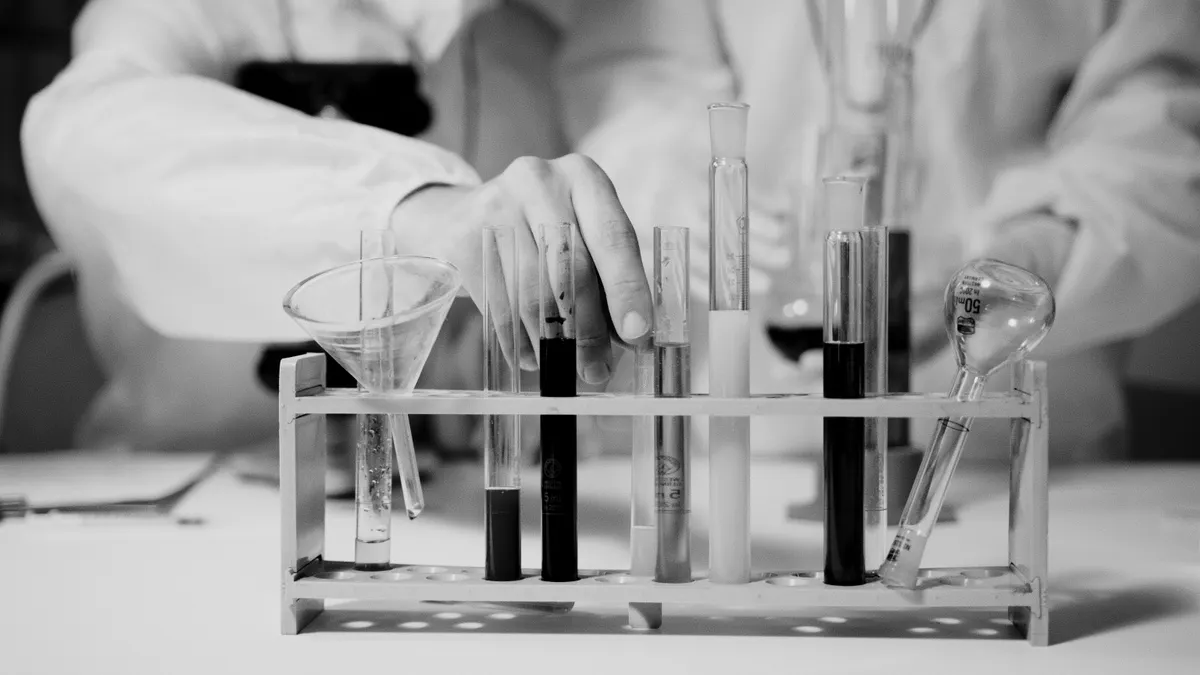
- The peptides athletes discuss most — BPC-157, TB-500, Ipamorelin, and CJC-1295 — are research compounds. None is approved by the FDA or EMA for athletic recovery, and most human evidence is absent or preliminary.
- Most athletic claims rest on animal and preclinical data. Rodent studies show accelerated tendon and muscle healing with BPC-157 and TB-500, but these results have not been replicated in controlled human trials.
- Several of these peptides are explicitly banned by the World Anti-Doping Agency (WADA). TB-500 falls under S2 (growth factors), GH secretagogues under S2 peptide hormones, and BPC-157 was added to the WADA Prohibited List in 2022.
- Beyond doping sanctions, contamination and mislabeling of grey-market 'research only' peptides create real legal and health risks, including the danger of an inadvertent anti-doping violation.
- For most athletes, validated tools — structured training, protein and creatine, sleep, physiotherapy, and medically supervised care — deliver more reliable, lower-risk performance and recovery benefits.
- This article is for educational purposes only. It is not medical advice. Consult a qualified healthcare professional and your sport's anti-doping authority before considering any peptide.
Why Do Athletes Look at Peptides?
Few categories of compounds have moved from obscure research labs into athletic locker-room conversations as quickly as peptides. Searches for compounds like BPC-157 now exceed 165,000 per month, and the broader peptide therapeutics market is projected to grow from roughly $48 billion in 2025 to more than $93 billion by 2032. Athletes, drawn by anecdotes of faster healing and quicker returns from injury, are a significant part of that curiosity. Understanding why requires separating the appeal from the actual evidence.
The core promise athletes hear is recovery. Sport is a cycle of damage and repair: micro-tears in muscle, strained tendons, inflamed joints, and the cumulative fatigue of training loads. Anything that credibly speeds tissue repair or reduces downtime is enormously attractive, especially to professionals whose income depends on availability. Peptides such as BPC-157 and TB-500 are marketed precisely on this premise, while growth hormone secretagogues like Ipamorelin and CJC-1295 are promoted for body composition, sleep quality, and recovery.
It is important to be clear from the outset about what a peptide is and is not. Peptides are short chains of amino acids — typically between 2 and 50 — that act as signaling molecules in the body. The human body produces thousands of them naturally. That biological plausibility is part of why athletic peptides feel intuitively safe to many users. But a molecule occurring naturally does not mean an injectable synthetic version, at supratherapeutic doses, from an unregulated source, is safe or effective. If you are new to the topic, our overview of what peptides are provides the foundational biochemistry.
The critical gap — and the theme that runs through this entire article — is between preclinical promise and human proof. Most of the exciting data on athletic peptides comes from rodent models, cell cultures, and animal injury studies. There are remarkably few well-designed human clinical trials, and essentially none demonstrating the recovery benefits athletes are seeking. BPC-157, for instance, has over 100 preclinical studies but zero published Phase III human trials.
Medical disclaimer: This article is for educational purposes only and is not medical advice. The peptides discussed are largely classified as research compounds and are not approved for human performance use. Always consult a qualified healthcare professional before considering any of them.
Which Peptides Target Recovery and Tissue Repair?
The two peptides most associated with athletic recovery are BPC-157 and TB-500. Both are frequently discussed for tendon, ligament, and muscle healing, and they are often mentioned together because some users combine them. Both are also entirely experimental in this context.
BPC-157 (Body Protection Compound-157) is a synthetic 15-amino-acid peptide derived from a sequence found in human gastric juice. In animal models it has shown striking effects: studies in rats reported tendon-to-bone healing acceleration on the order of 60-80% versus controls, alongside improved blood vessel formation (angiogenesis) and reduced inflammation. Researchers have hypothesized that these effects involve growth factor pathways and nitric oxide signaling. These are genuinely interesting preclinical findings — but they are preclinical. There are no published controlled human trials confirming that BPC-157 heals athletic tendon or muscle injuries, and the compound is not approved by any major regulator.
TB-500 is a synthetic fragment of Thymosin Beta-4, a 43-amino-acid protein present in nearly all human cells. Thymosin Beta-4 binds actin and plays documented roles in cell migration, tissue repair, and wound healing. TB-500, the synthetic fragment, is promoted to athletes for muscle and connective-tissue recovery and flexibility. As with BPC-157, the mechanistic rationale is plausible and the animal data are suggestive, but human efficacy data for athletic recovery are lacking.
Because their proposed mechanisms appear complementary — BPC-157 emphasizing localized healing and angiogenesis, TB-500 emphasizing systemic cell migration — they are often discussed as a stack. We cover the general principles and pitfalls of combining compounds in our peptide stacking guide. It is worth stressing that stacking two unapproved compounds multiplies the unknowns rather than confirming a benefit; there is no human trial validating this combination for recovery.
A crucial caveat applies to both: angiogenesis — the growth of new blood vessels — is a double-edged property. The same mechanism that might aid healing can theoretically support tumor growth. This is one reason the absence of long-term human safety data matters so much. Neither BPC-157 nor TB-500 should be regarded as a proven or safe athletic therapy, and both carry anti-doping implications discussed below.
How Do GH Secretagogues Like Ipamorelin and CJC-1295 Work?
A second category athletes encounter is the growth hormone (GH) secretagogues — compounds designed to stimulate the body's own pituitary gland to release more growth hormone, rather than injecting GH directly. The most discussed are Ipamorelin and CJC-1295, frequently promoted together for recovery, sleep, fat loss, and lean mass.
Ipamorelin is a selective ghrelin receptor agonist (a growth hormone-releasing peptide, or GHRP). It prompts a pulse of GH release while, in research, showing relatively little effect on cortisol or prolactin compared with older GHRPs. CJC-1295 is a growth hormone-releasing hormone (GHRH) analog that amplifies and prolongs GH secretion. Because GHRH analogs and GHRPs act through different but synergistic pathways, they are often combined to produce a larger, more sustained GH pulse than either alone.
The athletic rationale is that elevated GH and the downstream hormone IGF-1 support protein synthesis, connective tissue repair, fat metabolism, and sleep quality — all relevant to recovery and body composition. The biology of the GH axis is real and well-characterized. What is far less established is whether secretagogue-driven GH increases meaningfully improve athletic performance or recovery in healthy, trained adults, as opposed to improving recovery in clinically GH-deficient patients. Robust human performance trials are essentially absent, and the long-term consequences of chronically manipulating the GH axis in healthy athletes are not well understood.
There are also safety considerations that athletes frequently underestimate. Sustained elevation of GH and IGF-1 can be associated with insulin resistance, fluid retention, joint pain, and, in extreme or prolonged misuse, features associated with acromegaly. Because these are unapproved compounds typically obtained from grey-market sources, dosing is unstandardized and product purity is unverified.
Most importantly for any competitive athlete: GH secretagogues are not a regulatory loophole. Stimulating endogenous GH release is treated by anti-doping authorities the same way as exogenous GH — both are prohibited. We return to this in the WADA section. Consult a healthcare professional; these compounds are not approved for performance enhancement.
Can Peptides Improve Endurance and Performance?
Beyond recovery and tissue repair, some peptides are marketed for direct endurance and performance gains. This is the category where the gap between marketing and evidence is widest, and where the anti-doping consequences are often the most severe.
The clearest example is a class of compounds that increase erythropoietin (EPO) activity or otherwise boost oxygen-carrying capacity. These are explicitly designed to raise endurance and are among the most aggressively policed substances in sport. Peptides and peptide-mimetics that stimulate red blood cell production fall squarely within prohibited categories, and detection methods are sophisticated. The endurance benefit is real in a physiological sense — which is precisely why it is banned and why the legal and career risk is extreme.
Other peptides are promoted with vaguer 'performance' claims — improved energy, stamina, or work capacity — often extrapolated from their effects on metabolism, mitochondrial function, or the GH axis. In most cases the human evidence for a genuine ergogenic effect in trained athletes is thin to nonexistent. Marketing language frequently borrows the credibility of legitimate exercise physiology while skipping the requirement for controlled human trials demonstrating the claimed benefit.
It is also worth being realistic about effect sizes even where some biology exists. A peptide that modestly influences a recovery pathway in a rodent does not translate into a measurable competitive edge in a conditioned human athlete, whose performance ceiling is shaped overwhelmingly by training, genetics, nutrition, and sleep. The marginal, unproven, and unquantified benefit must be weighed against substantial known risks.
For athletes genuinely focused on endurance and output, the highest-return interventions remain unglamorous and legal: periodized training, adequate carbohydrate availability, iron status management under medical supervision, heat and altitude acclimatization where appropriate, and recovery. The honest answer to 'can peptides improve endurance?' is that the ones that plausibly could are banned and risky, and the rest are largely unproven.
What Is the WADA Anti-Doping Status of These Peptides?
For any athlete subject to drug testing, the World Anti-Doping Agency (WADA) status of these compounds is not a footnote — it is the headline. Using a prohibited substance can end a career regardless of intent, and several of the most-discussed athletic peptides are explicitly banned.
WADA organizes prohibited substances into categories on its annually updated Prohibited List. The most relevant for peptides is category S2: Peptide Hormones, Growth Factors, Related Substances and Mimetics. This category captures growth hormone and its releasing factors, EPO and agents affecting erythropoiesis, and growth factors affecting muscle, tendon, or ligament — which is exactly the territory athletic peptides occupy.
To make the implications concrete for the compounds discussed in this article:
- BPC-157 was added to the WADA Prohibited List in 2022 and is prohibited at all times (in and out of competition).
- TB-500 / Thymosin Beta-4 falls under S2 as a growth factor affecting tissue repair and is prohibited.
- Ipamorelin and CJC-1295, as GH secretagogues and releasing factors, are prohibited under S2 — stimulating your own GH counts as doping.
- EPO-stimulating and oxygen-transport peptides are prohibited under S2 and are a high priority for detection.
A critical principle underlies all of this: the anti-doping system operates on strict liability. An athlete is responsible for any prohibited substance found in their sample, regardless of how it got there or whether they intended to cheat. A contaminated 'research' peptide, a mislabeled supplement, or a compound an athlete believed was permitted can all produce a positive test and a sanction. The 'monitoring' or 'research only' framing some sellers use carries no weight with anti-doping authorities.
The only safe course for a tested athlete is to verify the current status of any substance directly with WADA's resources and your national anti-doping organization, and to assume that anything in the S2 category is prohibited. Because the Prohibited List is updated yearly, status must be checked against the current edition, not older information. When in doubt, do not use it.
What Are the Legal and Safety Risks?
Even setting aside anti-doping rules, athletic peptides carry legal and safety risks that are frequently downplayed by the marketplaces that sell them. These risks apply to recreational athletes and non-tested individuals too.
The first issue is regulatory status. The peptides discussed here are not approved by the FDA or EMA for athletic use. Most are sold under a 'research use only' or 'not for human consumption' label, a framing that lets sellers operate in a legal grey area while disclaiming responsibility for how the product is used. The FDA has placed several peptides into categories that effectively bar their compounding for human use and has issued warning letters to companies marketing unapproved peptide products. Possession, importation, and supply laws vary significantly by country, and what is a grey-market purchase in one jurisdiction may be an offense in another.
The second issue is product quality. Because these are unregulated, the vial an athlete injects has not undergone the purity, sterility, and dosing verification required of a pharmaceutical. Independent analyses of grey-market peptides have found products that are under-dosed, over-dosed, contaminated, or contain different compounds than labeled. For an injected substance, contamination is not a minor concern — it carries risks of infection, immune reactions, and exposure to unknown impurities. This same uncertainty is what makes inadvertent doping violations so plausible.
The third issue is the thin human safety record. Without controlled human trials, the side-effect profile, safe dosing range, and long-term consequences of most athletic peptides are simply not established. Theoretical concerns — such as the relationship between angiogenesis-promoting compounds and tumor growth, or the metabolic effects of chronic GH-axis manipulation — cannot be reassured away, precisely because the studies that would address them have not been done in humans. We discuss this broader safety picture in our overview of peptide safety considerations.
Taken together, the legal exposure, the unverified product quality, and the absence of human safety data mean that the decision to use an athletic peptide is being made under far more uncertainty than the confident marketing implies. This is not medical advice; consult a qualified healthcare professional and review our medical disclaimer before making any decision.
How Do the Main Athletic Peptides Compare?
The table below summarizes the peptides athletes most commonly research, their proposed athletic rationale, the strength of human evidence, and their anti-doping status. It is intended as an at-a-glance reference, not an endorsement — every compound listed is an unapproved research peptide in the athletic context.
| Peptide | Proposed athletic use | Human evidence | WADA status |
|---|---|---|---|
| BPC-157 | Tendon, ligament, muscle, and gut healing | Preclinical (animal) only; no published Phase III human trials | Prohibited (added 2022) |
| TB-500 | Muscle and connective-tissue repair, flexibility | Preclinical only; human efficacy unestablished | Prohibited (S2 growth factor) |
| Ipamorelin | GH release for recovery, body composition, sleep | Limited; no performance trials in healthy athletes | Prohibited (S2 secretagogue) |
| CJC-1295 | Prolonged GH elevation for recovery and lean mass | Limited; no performance trials in healthy athletes | Prohibited (S2 releasing factor) |
| EPO / oxygen-transport peptides | Endurance via increased oxygen-carrying capacity | Mechanistically real; banned and heavily tested | Prohibited (S2, high detection priority) |
Several patterns stand out from this comparison. First, the human evidence column is consistently weak. Across the board, athletic claims rest on animal data, mechanistic plausibility, or extrapolation from clinical populations, rather than on controlled trials in healthy athletes. Second, the WADA status column is consistently prohibited. There is no 'safe, legal, and proven' option among the headline athletic peptides — a meaningful fact for any competitor.
Reconstitution, dosing, and handling details for these compounds are sometimes presented as if precise protocols imply legitimacy. Tools such as a reconstitution and dosage calculator exist for research contexts, but the existence of a calculator does not establish that a compound is safe, legal, or effective for athletic use. Precision in dosing an unproven compound is still dosing an unproven compound.
If you want a broader overview of peptides ranked by use case and evidence, our guide to the best peptides overall places these athletic compounds in the wider landscape, including cosmetic and clinically approved categories where the evidence base is considerably stronger.
#1 BPC-157: the most researched, still preclinical only
BPC-157 is a synthetic 15-amino-acid peptide derived from a sequence found in human gastric juice, discussed for tendon, ligament, muscle, and gut healing. The table records its human evidence as preclinical (animal) only, with no published Phase III human trials. In practice that means the encouraging findings come from rodent injury models rather than controlled studies in athletes, so the healing claims remain unconfirmed in humans.
It fits readers mapping the research landscape, not competitors: BPC-157 was added to the WADA Prohibited List in 2022 and is banned at all times. Background on the compound is in our BPC-157 guide.
#2 TB-500: plausible mechanism, no human efficacy data
TB-500 is a synthetic fragment of Thymosin Beta-4, a protein present in nearly all human cells with documented roles in cell migration and wound healing. It is promoted for muscle and connective-tissue repair and flexibility. The table lists its evidence as preclinical only, with human efficacy unestablished: the biological rationale is coherent, but no controlled trial has shown recovery benefits in athletes.
It suits readers studying tissue-repair signaling rather than anyone seeking a usable therapy. TB-500 falls under WADA category S2 as a growth factor and is prohibited. See our TB-500 guide for the underlying biology.
#3 Ipamorelin: selective GH release, limited human data
Ipamorelin is a selective ghrelin receptor agonist, a growth hormone-releasing peptide that prompts a pulse of GH release while showing relatively little effect on cortisol or prolactin compared with older GHRPs. It is discussed for recovery, body composition, and sleep. The table rates the human evidence as limited, with no performance trials in healthy athletes, so conclusions rest largely on clinical populations and mechanism.
It is relevant to readers interested in GH-axis pharmacology. Stimulating endogenous GH is treated as doping: Ipamorelin is prohibited under S2 as a secretagogue.
#4 CJC-1295: prolonged GH signal, unproven in athletes
CJC-1295 is a growth hormone-releasing hormone analog that amplifies and prolongs GH secretion, which is why it is often discussed alongside GHRPs acting through a different pathway. Its proposed use is recovery and lean mass. As with Ipamorelin, the table records limited human evidence and no performance trials in healthy athletes, and the long-term effects of manipulating the GH axis in healthy adults are not well characterized.
It fits readers comparing GH-axis compounds on evidence quality. CJC-1295 is prohibited under S2 as a releasing factor. Further detail sits in our CJC-1295 guide.
#5 EPO / oxygen-transport peptides: real effect, highest risk
EPO and oxygen-transport peptides raise endurance by increasing oxygen-carrying capacity. Unlike the recovery compounds above, the table calls the effect mechanistically real, which makes this the one category where the physiology is not in question. That is precisely why it is banned and heavily tested, with detection methods described in the article as sophisticated.
This entry fits readers who want to understand why anti-doping treats endurance agents differently, not anyone weighing use. It is prohibited under S2 and is a high detection priority, and the anti-doping system applies strict liability regardless of intent.
What Are the Evidence-Based Alternatives?
For athletes whose real goal is better recovery and performance — not peptides for their own sake — the encouraging news is that the highest-evidence interventions are legal, accessible, and well-studied. They are less novel than a vial of research peptide, but they actually work, and they will not produce a positive doping test.
Nutrition is foundational. Adequate total energy and protein intake (commonly cited targets are roughly 1.6-2.2 g of protein per kilogram of body weight per day for athletes building or repairing tissue) directly support muscle protein synthesis and recovery. Creatine monohydrate is among the most rigorously validated ergogenic aids in sports science, with extensive human trial support for strength and power. These deliver the recovery and adaptation benefits peptides only promise.
Sleep and load management are arguably the most powerful recovery tools available and are entirely free. Growth hormone is naturally secreted in pulses during deep sleep — meaning that improving sleep quantity and quality enhances the very pathway GH secretagogues attempt to manipulate pharmacologically, without the risk or the rules violation. Periodized training that balances stress and recovery prevents the overuse injuries that drive athletes toward 'healing' compounds in the first place.
For actual injuries, medically supervised care — physiotherapy, progressive loading rehabilitation, and where appropriate, evidence-based interventions delivered by sports medicine professionals — has a real human evidence base that grey-market peptides lack. A qualified sports physician can also advise on legitimate, permitted options and ensure nothing jeopardizes anti-doping compliance.
Finally, where peptides do have genuinely strong, approved evidence, it is largely outside the athletic-performance arena — for example in dermatology and certain endocrine therapies. If your interest in peptides is broader than sport, our introduction to peptides and our coverage of cosmetic peptides describe areas where the science is more settled. The contrast is instructive: it shows what a robust peptide evidence base looks like, and how far the athletic claims still are from meeting that bar.
How Should an Athlete Evaluate This Information?
Given the gap between marketing and evidence, the most valuable skill an athlete can bring to this topic is critical evaluation. The peptide space is full of confident claims, polished protocols, and persuasive anecdotes; learning to interrogate them is more protective than any specific product recommendation.
Start by asking where the evidence comes from. Is a claimed benefit supported by controlled human trials, or by rat studies, cell cultures, and testimonials? Animal and preclinical data are how science generates hypotheses — they are not proof that something works or is safe in humans. When a seller cites '100+ studies,' check whether any are human efficacy trials. For most athletic peptides, the honest answer is that they are not.
Next, weigh the full risk picture, not just the hoped-for benefit. For a competitive athlete that includes the anti-doping consequences (potentially career-ending), the legal exposure of buying unregulated injectables, the real possibility of contamination, and the unknown long-term health effects. A small, unproven, unquantified upside against large, concrete downsides is a poor trade — and that is the actual shape of the decision for most of these compounds.
Then involve the right professionals. A sports physician, your team's medical staff, and your national anti-doping organization can give individualized, accountable guidance that no online forum or vendor can. If a source discourages you from involving a doctor or implies anti-doping rules don't apply to 'research' compounds, treat that as a serious red flag.
Finally, keep perspective on what genuinely moves the needle. For the overwhelming majority of athletes, the determinants of performance and recovery are training quality, nutrition, sleep, consistency, and injury management — not an experimental peptide. This article is for educational purposes only and is not a recommendation to use any peptide. Consult a qualified healthcare professional, verify anti-doping status with the relevant authorities, and review our medical disclaimer before making any decision about your health or your athletic career.
Explore this topic in depth
In-depth guides
Comparisons & deep dives
Recommended products
Research peptides selected for quality and purity:
GHK-Cu
Anti-Aging Compound
Test your knowledge
Quick quiz · 6 questions
Peptide Lab: free calculator & tracker
Calculate your reconstitution, track your peptides and injections. Free, no credit card required.
Frequently Asked Questions
What are the best peptides for athletic recovery?
Is BPC-157 banned by WADA?
Are TB-500, Ipamorelin, and CJC-1295 also prohibited in sport?
Do peptides like BPC-157 actually work for healing injuries in humans?
Are research peptides legal to buy and use?
What are the safety risks of using peptides for sports performance?
Can GH secretagogues like Ipamorelin avoid a positive drug test?
What is the difference between preclinical and human evidence?
What are the best legal alternatives to peptides for athletes?
Should I consult a doctor before considering peptides?
Sources
- Staresinic M, Petrovic I, Novinscak T, et al. (2006). Effective therapy of transected quadriceps muscle in rat: gastric pentadecapeptide BPC 157. Journal of Orthopaedic Research.
- Sikiric P, Skrtic A, Gojkovic S, et al. (2021). Stable Gastric Pentadecapeptide BPC 157 and Wound Healing. Frontiers in Pharmacology.
- Goldstein AL, Hannappel E, Kleinman HK (2005). Thymosin beta4: actin-sequestering protein moonlights to repair injured tissues. Trends in Molecular Medicine.
- Sigalos JT, Pastuszak AW (2018). The Safety and Efficacy of Growth Hormone Secretagogues. Sexual Medicine Reviews.
- World Anti-Doping Agency (2026). The Prohibited List — S2: Peptide Hormones, Growth Factors, Related Substances and Mimetics. WADA (World Anti-Doping Code).
- U.S. Food and Drug Administration (2023). Certain Bulk Drug Substances for Use in Compounding — Category 2 (peptides). FDA Compounding Guidance.
- Chang CH, Tsai WC, Hsu YH, Pang JH (2014). Pentadecapeptide BPC 157 enhances the growth hormone receptor expression in tendon fibroblasts. Molecules.