
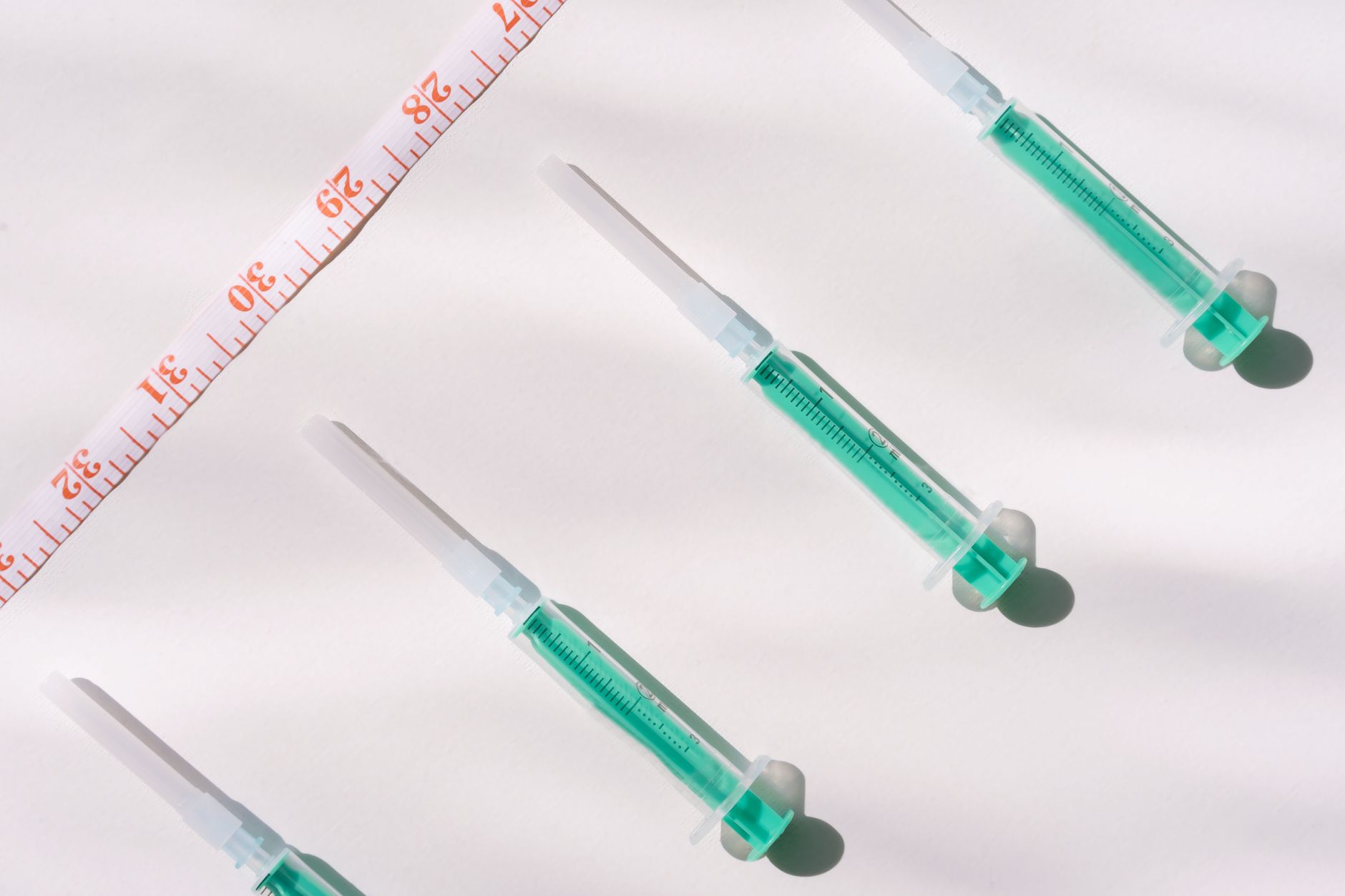
- Ozempic (semaglutide) is a single GLP-1 receptor agonist, while Mounjaro (tirzepatide) is a dual GIP and GLP-1 receptor agonist — a key mechanistic difference.
- In clinical trials, tirzepatide produced greater average weight loss (roughly 20–22% of body weight at top doses) than semaglutide (roughly 15–17%).
- Both are FDA-approved for type 2 diabetes; weight-management approvals use different brand names — Wegovy for semaglutide and Zepbound for tirzepatide.
- Gastrointestinal effects (nausea, diarrhea, constipation) are the most common side effects for both and are usually dose-dependent and transient.
- Neither medication is a research peptide; both are prescription drugs requiring medical supervision. This article is for educational purposes only.
- The right choice depends on individual factors: weight-loss goals, diabetes status, tolerability, cost, insurance coverage, and clinician judgment.
What Are Mounjaro and Ozempic?
Mounjaro and Ozempic are two of the most discussed prescription medications in metabolic medicine today. Both belong to a broader class of injectable therapies that mimic naturally occurring gut hormones known as incretins. Tirzepatide, a single peptide-based molecule, accounts for roughly 1 million monthly searches — the most-searched peptide term globally — reflecting the intense public interest in these treatments.
Ozempic is the brand name for semaglutide, a glucagon-like peptide-1 (GLP-1) receptor agonist developed by Novo Nordisk. It received FDA approval in 2017 for the management of type 2 diabetes. The same molecule, at higher doses and under the brand name Wegovy, was later approved in 2021 specifically for chronic weight management.
Mounjaro is the brand name for tirzepatide, manufactured by Eli Lilly. Tirzepatide is a newer molecule that acts on two incretin receptors rather than one. It was approved by the FDA in 2022 for type 2 diabetes, and the same compound was approved under the name Zepbound in 2023 for weight management. Mounjaro generated approximately $10.1 billion in revenue in Q3 2025 alone, underscoring its rapid clinical adoption.
Both drugs are synthetic peptide analogues administered by subcutaneous injection. They are structurally related to the broader family of GLP-1 receptor agonists, but as we will explore, their pharmacology differs in an important way. It is essential to understand that neither is a "research peptide" — they are rigorously studied, regulator-approved prescription medications that must be used under medical supervision.
How Do Their Mechanisms Differ?
The central distinction between these two medications lies in the receptors they target. Semaglutide (Ozempic) is a selective GLP-1 receptor agonist. It binds to and activates the GLP-1 receptor, mimicking the action of the body's own glucagon-like peptide-1. This stimulates glucose-dependent insulin secretion, suppresses inappropriate glucagon release, slows gastric emptying, and acts on appetite centers in the brain to increase satiety.
Tirzepatide (Mounjaro) is a dual agonist: it activates both the GLP-1 receptor and the glucose-dependent insulinotropic polypeptide (GIP) receptor. GIP is the other major incretin hormone. By engaging both pathways simultaneously, tirzepatide is sometimes described as a "twincretin." The addition of GIP activity is thought to enhance insulin sensitivity and may modulate appetite and energy metabolism through complementary mechanisms.
Both hormones work in a glucose-dependent manner, meaning they stimulate insulin primarily when blood sugar is elevated. This is one reason these medications carry a relatively low intrinsic risk of hypoglycemia when used alone, compared with insulin or sulfonylureas. The glucose-dependent action is a shared safety feature of the incretin class.
The dual mechanism of tirzepatide is the leading hypothesis for its greater metabolic potency in head-to-head data, although researchers continue to investigate exactly how much the GIP component contributes versus the highly optimized GLP-1 activity. To understand the foundational biology, our overview of what peptides are provides useful context on how these signaling molecules function in the body.
This section describes pharmacology for educational purposes only and is not medical advice.
Which Produces More Weight Loss?
Weight loss is where the two medications show their most striking numerical difference, and it is the reason these peptides account for roughly 60% of all peptide-related search traffic. In dedicated weight-management trials, both produced substantial results, but tirzepatide generally outperformed semaglutide on average.
In the STEP trial program evaluating semaglutide for obesity, participants achieved an average weight loss of approximately 15–17% of body weight over roughly 68 weeks at the 2.4 mg weekly dose. In the SURMOUNT trial program evaluating tirzepatide, participants achieved an average of approximately 20–22% of body weight at the highest doses over a comparable period.
| Parameter | Ozempic / Wegovy (semaglutide) | Mounjaro / Zepbound (tirzepatide) |
|---|---|---|
| Mechanism | GLP-1 agonist | GIP + GLP-1 dual agonist |
| Avg. weight loss (trials) | ~15–17% | ~20–22% |
| Diabetes approval | 2017 | 2022 |
| Weight-loss brand | Wegovy (2021) | Zepbound (2023) |
A landmark head-to-head trial (SURMOUNT-5) compared the two molecules directly for weight management and reported greater average weight reduction with tirzepatide. However, averages obscure meaningful individual variation: some people respond strongly to semaglutide, while others tolerate or respond better to tirzepatide. Response depends on dose tolerated, adherence, diet, physical activity, and individual biology.
It is also important to emphasize that these results were achieved alongside lifestyle interventions in monitored clinical settings, and that weight regain is common if the medication is stopped without a maintenance strategy. Neither drug is a standalone solution, and outcomes outside trials may differ. Always discuss realistic expectations with a qualified clinician.
How Do They Compare for Blood Sugar Control?
Although public attention focuses on weight, both medications were first developed and approved for type 2 diabetes, and glycemic control remains a primary therapeutic use. The key metric in diabetes trials is the reduction in HbA1c, a marker of average blood glucose over roughly three months.
In the SUSTAIN trials, semaglutide produced clinically meaningful HbA1c reductions, typically in the range of 1.5–1.8 percentage points depending on dose and baseline. In the SURPASS trials, tirzepatide produced even larger reductions, often approaching or exceeding 2.0 percentage points at higher doses, and a high proportion of participants reached target HbA1c levels.
Tirzepatide's dual mechanism appears to confer an advantage in glycemic outcomes as well as weight, which is consistent with its enhanced effect on insulin sensitivity and secretion. For many patients with type 2 diabetes and obesity, the combined glycemic and weight benefits are clinically attractive.
Both medications also demonstrated favorable effects on secondary cardiometabolic markers such as blood pressure and lipid profiles in trials. Semaglutide additionally has dedicated cardiovascular outcome data demonstrating reduced risk of major adverse cardiovascular events in certain high-risk populations — an evidence base that is currently more mature than tirzepatide's, though cardiovascular outcome trials for tirzepatide are ongoing.
The choice for a person with diabetes therefore involves more than peak efficacy: it weighs glycemic targets, cardiovascular risk, existing evidence, and tolerability. This information is educational and should not replace personalized advice from a healthcare professional.
Cardiovascular and Metabolic Benefits
Beyond weight loss and glycemic control, both medications demonstrate favorable effects on cardiovascular and metabolic health markers. This is particularly relevant because obesity and type 2 diabetes significantly increase the risk of heart disease, stroke, and other cardiovascular complications.
Semaglutide Cardiovascular Evidence
Semaglutide has the more mature cardiovascular evidence base. The SUSTAIN-6 trial demonstrated a 26% reduction in major adverse cardiovascular events (MACE) — a composite of cardiovascular death, nonfatal heart attack, and nonfatal stroke — in patients with type 2 diabetes at high cardiovascular risk. The SELECT trial (2023) extended this evidence to people with obesity without diabetes, showing a 20% reduction in MACE with semaglutide 2.4 mg compared to placebo.
These results established semaglutide as the first weight-loss medication with proven cardiovascular benefit, a landmark in obesity medicine that distinguishes it from earlier weight-loss drugs that either had neutral or concerning cardiovascular profiles.
Tirzepatide Cardiovascular Evidence
Tirzepatide's cardiovascular outcome trials are ongoing, with the SURPASS-CVOT trial expected to report in 2027. Preliminary data from the SURPASS-4 trial showed tirzepatide was noninferior to insulin glargine for cardiovascular outcomes in patients with type 2 diabetes and elevated cardiovascular risk, but this was not a dedicated superiority trial.
The SURMOUNT-OSA trial demonstrated significant improvements in obstructive sleep apnea severity with tirzepatide — reducing the apnea-hypopnea index by 55–63% — which indirectly supports cardiovascular benefit given the strong link between sleep apnea and heart disease.
Metabolic Improvements Beyond Weight
Both medications improve multiple metabolic parameters independently of weight loss:
| Parameter | Semaglutide Effect | Tirzepatide Effect |
|---|---|---|
| Blood Pressure | ↓ 4–6 mmHg systolic | ↓ 5–8 mmHg systolic |
| Triglycerides | ↓ 12–18% | ↓ 19–25% |
| HDL Cholesterol | ↑ 3–5% | ↑ 5–8% |
| Liver Fat (NAFLD) | ↓ 50–60% | ↓ 50–65% |
| Waist Circumference | ↓ 10–13 cm | ↓ 12–18 cm |
These improvements in cardiometabolic risk factors suggest benefits that extend beyond scale weight, addressing the underlying metabolic dysfunction that characterizes obesity and type 2 diabetes. For patients concerned about heart health, these data points factor into the medication choice alongside the dedicated cardiovascular outcome evidence.
This information is for educational purposes. Cardiovascular risk assessment should be performed by a qualified healthcare provider.
What Are the Side Effects and Safety Concerns?
Both medications share a similar safety profile because they act on overlapping pathways. The most common adverse effects are gastrointestinal: nausea, vomiting, diarrhea, constipation, and abdominal discomfort. These are usually most pronounced when starting treatment or escalating the dose, and they tend to diminish over time as the body adapts. Slow dose titration is the standard strategy to improve tolerability.
Because these drugs slow gastric emptying and reduce appetite, some users experience reduced food intake to the point of inadequate nutrition or dehydration if not managed carefully. Less common but more serious concerns reported in the class include pancreatitis, gallbladder disease, and, rarely, severe gastrointestinal events. Rapid weight loss itself can increase gallstone risk.
Both carry a regulatory boxed warning regarding thyroid C-cell tumors based on rodent studies; they are contraindicated in individuals with a personal or family history of medullary thyroid carcinoma or Multiple Endocrine Neoplasia syndrome type 2. The relevance of the rodent findings to humans remains uncertain, but the precaution is taken seriously. As a general principle, peptide-based drugs often have high target specificity, but specificity does not eliminate risk.
When combined with insulin or sulfonylureas, the risk of hypoglycemia increases and dose adjustments are often required. There are also reports of injection-site reactions and, with any injectable, the need for proper technique and storage. Side-effect frequency between tirzepatide and semaglutide is broadly comparable in trials, with gastrointestinal events being dose-related for both.
Medical disclaimer: This is not an exhaustive safety list. Anyone considering these medications must review their full medical history with a licensed prescriber. Do not start, stop, or adjust a prescription medication based on this article.
Real-World vs Clinical Trial Outcomes
Clinical trials represent optimal conditions: motivated participants, strict protocols, and intensive monitoring. Real-world outcomes often differ, and understanding this gap helps set realistic expectations.
Why Real-World Results May Differ
Several factors contribute to the efficacy gap between trials and clinical practice:
- Adherence: Trial participants have 85–95% adherence rates; real-world adherence averages 50–70% at 12 months. Missing doses or inconsistent use reduces efficacy.
- Dose titration: Many patients in practice don't reach maximum doses due to side effects, cost, or clinician caution. Trial protocols push toward target doses systematically.
- Lifestyle intervention: Trials include structured diet and exercise counseling. Real-world support varies widely.
- Selection bias: Trial participants are screened for adherence potential and exclude those with certain comorbidities.
- Supply issues: Drug shortages have forced dose reductions or treatment interruptions that don't occur in trials.
Real-World Data on Weight Loss
Emerging real-world studies from electronic health records and pharmacy claims show:
| Metric | Clinical Trials | Real-World Studies |
|---|---|---|
| Average weight loss (semaglutide) | 15–17% | 10–14% |
| Average weight loss (tirzepatide) | 20–22% | 14–18% |
| 12-month persistence | 85–90% | 40–60% |
| Discontinuation due to side effects | 4–7% | 15–25% |
These numbers are still clinically meaningful — a 10–15% weight reduction significantly improves metabolic health — but they're lower than headline trial figures. Patients should understand that their personal trajectory depends on factors including consistency, dose achieved, and concurrent lifestyle changes.
Persistence and Long-Term Use
Real-world data shows that only 30–40% of patients remain on GLP-1 medications at 2 years. Reasons for discontinuation include cost (especially when insurance coverage changes), side effects, achieving goals and attempting to stop, or pregnancy planning. Understanding this helps frame these medications as part of a long-term strategy rather than a quick fix.
Important: Real-world data continues to accumulate as these medications see broader use. Early signals are encouraging — demonstrating that substantial benefits persist outside trial settings — but individual results vary considerably.
Special Populations and Contraindications
Not everyone is a candidate for GLP-1 or dual GIP/GLP-1 agonists. Understanding contraindications and special considerations is essential for safe prescribing and informed patient decisions.
Absolute Contraindications
Both medications share the following contraindications:
- Personal or family history of medullary thyroid carcinoma (MTC): Rodent studies showed increased thyroid C-cell tumors. Human relevance is uncertain, but the precaution is absolute.
- Multiple Endocrine Neoplasia syndrome type 2 (MEN 2): Increased MTC risk in this inherited condition.
- Known hypersensitivity: Prior severe allergic reaction to the medication or its components.
Pregnancy and Breastfeeding
Both medications are contraindicated in pregnancy and should be discontinued at least 2 months before planned conception. Animal studies showed embryo-fetal toxicity. The medications should not be used during breastfeeding due to unknown excretion into breast milk.
Notably, these medications can increase fertility by restoring ovulation in women with obesity-related anovulation. Patients must use reliable contraception if pregnancy is not desired.
Kidney Disease
No dose adjustment is required for mild-to-moderate kidney impairment. However, caution is advised in severe renal impairment (eGFR <15 mL/min) due to limited data. Dehydration from gastrointestinal side effects can worsen kidney function, especially in those with pre-existing impairment.
Liver Disease
Both medications are safe in mild-to-moderate hepatic impairment and may actually benefit patients with non-alcoholic fatty liver disease (NAFLD). No dose adjustment is required. Limited data exist for severe hepatic impairment.
Elderly Patients (65+ years)
Clinical trials included substantial elderly populations. Efficacy and safety appear similar, though elderly patients may be more susceptible to dehydration and should be monitored for adequate fluid intake during titration.
Adolescents
Semaglutide (Wegovy) is FDA-approved for adolescents aged 12+ with obesity. Tirzepatide (Zepbound) has pediatric trials ongoing. Use requires specialist supervision and consideration of growth, development, and psychological factors.
Gastroparesis and GI Disorders
Patients with gastroparesis (delayed gastric emptying) should use these medications with extreme caution or avoid them, as both further slow gastric emptying. Those with a history of pancreatitis require careful monitoring. Inflammatory bowel disease is not a contraindication but warrants caution.
Concurrent Medications
- Insulin/Sulfonylureas: Dose reduction usually required to prevent hypoglycemia.
- Oral contraceptives: Delayed gastric emptying may reduce absorption; barrier methods recommended during titration.
- Warfarin: Monitor INR more frequently initially.
- Other GLP-1 agonists: Do not combine; no added benefit, increased risk.
This information does not replace a comprehensive medical evaluation. All contraindications and precautions should be assessed by a qualified prescriber with access to your complete medical history.
Long-Term Weight Maintenance and Discontinuation
A critical question for anyone considering these medications: What happens when you stop? Understanding the long-term picture is essential for informed decision-making.
Weight Regain After Discontinuation
Clinical trial data consistently shows significant weight regain after stopping these medications:
- STEP-1 extension: Participants who stopped semaglutide after 68 weeks regained approximately two-thirds of their lost weight over the following year.
- SURMOUNT-4: Participants who switched from tirzepatide to placebo after 36 weeks regained approximately half their lost weight over 52 weeks, while those who continued lost additional weight.
This pattern reflects the biological reality of obesity as a chronic condition. The body defends against weight loss through hormonal adaptations (increased hunger hormones, decreased satiety signals, reduced metabolic rate) that persist long after the weight is lost. These medications counteract those defenses; stopping removes that support.
Is Lifelong Treatment Necessary?
The emerging consensus in obesity medicine is that, for many patients, long-term or indefinite treatment may be necessary to maintain benefits — similar to treating hypertension or diabetes. This challenges earlier views of weight-loss medications as temporary interventions.
However, some patients may sustain weight loss after discontinuation, particularly if they:
- Made significant lifestyle changes (diet, exercise habits) during treatment
- Lost a modest amount of weight (less metabolic adaptation)
- Have less severe obesity at baseline
- Transition to lower-intensity maintenance medications
Research into optimizing maintenance strategies — including potential dose reduction, intermittent dosing, or combination approaches — is ongoing.
Cost and Access Implications
The prospect of long-term treatment raises practical concerns about sustainability. Monthly costs without insurance can exceed $1,000–1,500 USD. Insurance coverage is inconsistent, with many plans excluding weight-management indications. Patients must consider whether they can maintain access indefinitely before starting.
Psychological Considerations
Weight regain after stopping can be psychologically challenging. Patients should understand this possibility upfront to avoid feelings of failure. The regain reflects biology, not willpower. Working with mental health professionals experienced in obesity medicine can help patients navigate these complexities.
A Framework for Decision-Making
When considering long-term use, weigh:
| Factor | Favors Long-Term Use | Favors Trial Discontinuation |
|---|---|---|
| Obesity severity | BMI 35+, multiple comorbidities | BMI 27–30, few comorbidities |
| Comorbidities | Diabetes, NAFLD, sleep apnea improved | Conditions resolved, low relapse risk |
| Lifestyle change | Minimal behavioral modification | Sustained diet/exercise habits |
| Weight history | Multiple prior regain cycles | First significant loss, stable previously |
| Access/Cost | Stable insurance, affordable | Coverage uncertain, financial strain |
These are starting considerations, not rules. Individual circumstances vary, and decisions should be made collaboratively with healthcare providers who understand your full situation.
Bottom line: These medications are highly effective, but they work best as part of a long-term treatment strategy rather than a temporary fix. Understanding this upfront enables better planning and more sustainable outcomes.
How Are They Dosed and Administered?
Both Mounjaro and Ozempic are administered as a once-weekly subcutaneous injection, typically into the abdomen, thigh, or upper arm. The once-weekly schedule is possible because both molecules are engineered for an extended half-life — a common strategy in peptide drug design where modifications such as fatty-acid acylation slow clearance and prolong activity.
Ozempic is generally initiated at 0.25 mg weekly for the first four weeks (a non-therapeutic starting dose intended only to reduce side effects), then increased to 0.5 mg, with further escalation to 1 mg or 2 mg as needed and tolerated. The Wegovy formulation for weight management titrates up to 2.4 mg weekly.
Mounjaro is typically started at 2.5 mg weekly (again, a tolerability starting dose), then increased in 2.5 mg increments at intervals of at least four weeks toward maintenance doses of 5 mg, 10 mg, or 15 mg depending on response and tolerability. Zepbound follows a comparable titration schedule for weight management.
| Aspect | Ozempic (semaglutide) | Mounjaro (tirzepatide) |
|---|---|---|
| Frequency | Once weekly | Once weekly |
| Route | Subcutaneous injection | Subcutaneous injection |
| Starting dose | 0.25 mg | 2.5 mg |
| Typical max | 2 mg (Ozempic) / 2.4 mg (Wegovy) | 15 mg |
The gradual titration of both drugs is not optional fine-tuning — it is central to safety and tolerability. Skipping steps or escalating too quickly substantially increases gastrointestinal side effects. Devices, injection technique, and cold-chain storage all matter, which is another reason these are clinician-supervised prescription products rather than self-directed regimens.
How to Choose Based on Your Profile?
There is no universally "better" drug — the appropriate choice depends on individual goals, medical history, and practical circumstances. Below are factors clinicians and patients commonly weigh, presented for educational understanding rather than as a decision rule.
If maximum average weight loss is the priority: the trial data favor tirzepatide, which produced larger mean reductions in body weight. However, the magnitude of benefit must be balanced against tolerability and cost, and individual response varies widely.
If type 2 diabetes with established cardiovascular disease is the context: semaglutide currently has a more mature body of dedicated cardiovascular outcome evidence. A clinician may weigh this when cardiovascular risk reduction is a primary goal, while tirzepatide's cardiovascular trials continue to read out.
- Tolerability history: Someone who experienced significant nausea on one incretin may be cautiously trialed on the other, since individual responses differ.
- Existing medications: Concurrent insulin or sulfonylureas raise hypoglycemia risk and influence selection and dosing.
- Access and cost: Insurance coverage, supply availability, and brand indication (diabetes vs weight management) often drive real-world choices as much as efficacy.
- Personal preference: Titration schedule, device design, and the lowest tolerated effective dose all factor in.
It is worth distinguishing these regulated medications from the broader, less-regulated world of compounded or "research" peptides. Unlike experimental compounds discussed in our peptide glossary, semaglutide and tirzepatide have extensive human trial data and regulatory approval — but they are still prescription drugs that require oversight. The decision between them should always be made with a qualified healthcare professional who can assess your complete clinical picture.
What About Cost, Access, and Brand Names?
One of the most confusing aspects for the public is the proliferation of brand names for what are, chemically, only two molecules. Understanding this clarifies much of the marketplace.
Semaglutide is sold as Ozempic (approved for type 2 diabetes) and as Wegovy (approved at higher doses for chronic weight management). An oral tablet formulation of semaglutide (Rybelsus) also exists for diabetes. Tirzepatide is sold as Mounjaro (type 2 diabetes) and Zepbound (weight management). The active ingredient within each pair is identical; the brand and approved indication differ.
This distinction matters for access and reimbursement. Insurance plans frequently cover the diabetes indication but not the weight-management indication, or vice versa, which shapes which product a patient can realistically obtain. Periods of supply shortage have also affected availability and have fueled a parallel market in compounded versions of unclear quality and legality.
Cost varies enormously by country, insurance status, and brand. In markets without coverage, both medications can be expensive, and the higher-dose weight-management formulations are often the costliest. Patients should be cautious of unregulated online sources marketing these compounds, as product identity, purity, and dosing accuracy cannot be guaranteed outside the legitimate pharmaceutical supply chain.
The global peptide therapeutics market — projected to reach roughly $93.5 billion by 2032 — is driven substantially by demand for these incretin therapies. That demand has, unfortunately, also driven counterfeiting and off-label sourcing. For safety, obtain any prescription product through a licensed pharmacy with a valid prescription. Legal status and approved indications vary by jurisdiction; always verify local regulations and consult a healthcare professional.
Recommended products
Research peptides selected for quality and purity:
GHK-Cu
Anti-Aging Compound
Test your knowledge
Quick quiz · 6 questions
Peptide Lab — free calculator & tracker
Calculate your reconstitution, track your peptides and injections. Free, no credit card required.
Frequently Asked Questions
Is Mounjaro more effective than Ozempic for weight loss?
What is the main difference between the two drugs?
Are Mounjaro and Ozempic the same as Wegovy and Zepbound?
Do these medications have the same side effects?
Can I buy Mounjaro or Ozempic without a prescription?
How long does it take to see weight loss results with these medications?
What happens if I stop taking Mounjaro or Ozempic?
Can I switch from Ozempic to Mounjaro or vice versa?
How much do Mounjaro and Ozempic cost without insurance?
Are there newer or better alternatives coming to the market?
Sources
- Frías JP, Davies MJ, Rosenstock J, et al. (2021). Tirzepatide versus Semaglutide Once Weekly in Patients with Type 2 Diabetes (SURPASS-2). New England Journal of Medicine.
- Jastreboff AM, Aronne LJ, Ahmad NN, et al. (2022). Tirzepatide Once Weekly for the Treatment of Obesity (SURMOUNT-1). New England Journal of Medicine.
- Wilding JPH, Batterham RL, Calanna S, et al. (2021). Once-Weekly Semaglutide in Adults with Overweight or Obesity (STEP 1). New England Journal of Medicine.
- Aronne LJ, Sattar N, Horn DB, et al. (2024). Continued Tirzepatide for Maintenance of Weight Reduction (SURMOUNT-4). JAMA.
- Marso SP, Bain SC, Consoli A, et al. (2016). Semaglutide and Cardiovascular Outcomes in Patients with Type 2 Diabetes (SUSTAIN-6). New England Journal of Medicine.
- Aronne LJ, Horn DB, le Roux CW, et al. (2025). Tirzepatide as Compared with Semaglutide for the Treatment of Obesity (SURMOUNT-5). New England Journal of Medicine.
- Lincoff AM, Brown-Frandsen K, Colhoun HM, et al. (2023). Semaglutide and Cardiovascular Outcomes in Obesity without Diabetes (SELECT). New England Journal of Medicine.
- Malhotra A, Grunstein RR, Gislason T, et al. (2024). Tirzepatide for the Treatment of Obstructive Sleep Apnea (SURMOUNT-OSA). New England Journal of Medicine.
- Wilding JPH, Batterham RL, Davies M, et al. (2022). Weight Regain and Cardiometabolic Effects after Withdrawal of Semaglutide (STEP 1 Extension). Diabetes, Obesity and Metabolism.
- Jastreboff AM, Kaplan LM, Frías JP, et al. (2023). Triple-Hormone-Receptor Agonist Retatrutide for Obesity (Phase 2 Trial). New England Journal of Medicine.