
What is glutathione, and why is it called a tripeptide?
Glutathione is a tripeptide built from three amino acids: glutamate, cysteine, and glycine. Its systematic name, gamma-L-glutamyl-L-cysteinyl-glycine, encodes the one structural feature that makes it unusual. The bond linking glutamate to cysteine is formed at the gamma-carboxyl group of glutamate rather than the alpha-carboxyl group used in ordinary protein synthesis. That single detail has large consequences: the resulting peptide is invisible to most ordinary peptidases, which is why glutathione can accumulate inside cells at millimolar concentrations instead of being degraded immediately.
The molecule carries the formula C₁₀H₁₇N₃O₆S and a molecular weight of 307.32 g/mol, which makes it very small compared with the research peptides more commonly discussed on this site. The functional heart of the molecule is the sulfhydryl (-SH) group on the cysteine residue. Nearly everything glutathione does biologically, from neutralizing reactive species to conjugating xenobiotics, runs through that thiol.
Glutathione is also not acquired primarily from food or supplements. It is synthesized inside cells in two ATP-dependent steps: glutamate-cysteine ligase joins glutamate and cysteine, then glutathione synthetase adds glycine. The first step is rate-limiting and is regulated by feedback from glutathione itself, and cysteine availability is usually the practical constraint. This is the mechanistic reason that cysteine donors such as N-acetylcysteine are often discussed alongside glutathione itself.
Because glutathione is endogenous, it occupies an unusual regulatory position. It is a normal metabolite, a permitted dietary supplement ingredient in many markets, a pharmaceutical active in a small number of approved injectable products in some countries, and simultaneously the subject of health-authority warnings when injected for cosmetic purposes. Those four statements are all true at once, and most of the confusion surrounding glutathione injections comes from collapsing them into one. The sections below separate them.
This content is for educational purposes only and is not medical advice. Consult a healthcare professional before considering any intervention.
How does the GSH/GSSG redox cycle work?
Glutathione exists in two interconvertible pools. GSH is the reduced monomer carrying a free thiol. GSSG is glutathione disulfide, formed when two GSH molecules are oxidized and joined through their sulfur atoms, giving a dimer of roughly twice the mass. Only the reduced form acts as an electron donor, so the ratio between the two pools is the cell's working measure of redox state. In healthy resting cells the balance sits heavily on the GSH side; a shift toward GSSG is one of the standard laboratory signatures of oxidative stress.
The cycle has two arms. On the consumption side, glutathione peroxidases use GSH to reduce hydrogen peroxide and lipid hydroperoxides to water and alcohols, producing GSSG in the process. Glutathione S-transferases use GSH differently, conjugating it to electrophilic compounds so they can be exported and excreted. On the regeneration side, glutathione reductase converts GSSG back to two GSH using NADPH supplied largely by the pentose phosphate pathway. Glutathione is therefore not consumed once and discarded; it is recycled, and its practical capacity depends as much on NADPH supply as on total glutathione mass.
This recycling logic explains why the GSH-versus-GSSG question is more interesting than a simple quality label. GSSG is not a degraded or inferior form. It is the physiological oxidized state, and some cosmetic research has deliberately used GSSG because it is more chemically stable in formulation than the free thiol, which oxidizes readily on contact with air and metal ions. The trial literature includes studies of both forms, which is why comparing two glutathione studies requires checking which species was actually administered.
Analytically, this matters for anyone reading a certificate of analysis. A vial labelled glutathione may contain a variable proportion of oxidized material depending on handling and age, and total glutathione and reduced glutathione are different assay endpoints. Our walkthrough on how to read a peptide certificate of analysis covers which assay results actually constrain what is in a vial and which are decorative.
How might glutathione influence melanin production?
The interest in glutathione for skin tone rests on a plausible biochemical story. Melanin synthesis begins with tyrosinase acting on tyrosine, and the pathway then branches. In the absence of thiols, the pathway proceeds toward eumelanin, the brown-black pigment. When cysteine or glutathione is available, the intermediate dopaquinone is conjugated to form cysteinyldopa or glutathionyldopa, diverting synthesis toward pheomelanin, the lighter red-yellow pigment. A thiol-rich environment therefore favors the lighter branch.
Several additional mechanisms are proposed in review articles: direct inhibition of tyrosinase through interference with copper at the active site, quenching of free radicals and peroxides that would otherwise stimulate melanogenesis, and interference with the intracellular trafficking of tyrosinase. Sonthalia and colleagues reviewed these pathways in detail and concluded that the mechanistic rationale is coherent while the clinical evidence lags well behind it.
The gap between mechanism and outcome is the central honest point of this guide. A pathway that works in melanocyte culture tells you that pigment synthesis can be shifted when thiol concentration at the melanocyte rises. It does not tell you whether any particular route of administration delivers enough glutathione to the basal layer of human skin to move a melanin index, nor for how long, nor whether the shift reverses as soon as exposure stops. Each of those is a separate empirical question, and each has been answered only partially.
A second mechanistic consequence deserves mention because it appears in regulatory documents rather than marketing material. Melanin is photoprotective. If a compound reduces eumelanin production across sun-exposed skin, the theoretical consequence is reduced protection against ultraviolet damage. The Philippine FDA explicitly lists long-term skin cancer risk as a theoretical concern for this reason. No trial has been long enough to measure that endpoint, which means the risk is unquantified rather than excluded. Readers comparing molecules on the basis of mechanism alone may also find our overview of peptides studied for anti-aging endpoints useful for calibrating how often a clean mechanism fails to produce a clinical effect.
What does bioavailability actually allow us to claim per route?
Glutathione has been administered orally, in liposomal and sublingual oral forms, intravenously, by intramuscular and subcutaneous injection, topically, and intranasally. These are not minor variations on a theme. They produce different exposures, and the published evidence is distributed very unevenly among them.
The classic negative result is the oral single-dose study by Witschi and colleagues, published in the European Journal of Clinical Pharmacology in 1992. Seven healthy volunteers received a single oral dose of 0.15 mmol/kg, and over 270 minutes the plasma concentrations of glutathione, cysteine, and glutamate did not increase significantly. The authors concluded that systemic availability of oral glutathione in humans is negligible and that circulating glutathione cannot be raised to a clinically meaningful degree by a single large oral dose. Intestinal gamma-glutamyltransferase and hepatic first-pass metabolism break the tripeptide down into its constituent amino acids.
Chronic dosing tells a different story. Richie and colleagues ran a six-month randomized, double-blinded, placebo-controlled trial in 54 non-smoking adults using oral glutathione at 250 or 1,000 mg per day. At six months, mean glutathione levels rose by 30 to 35 percent in erythrocytes, plasma, and lymphocytes, and by 260 percent in buccal cells in the high-dose group. A one-month pilot study of liposomal glutathione by Sinha and colleagues, published in the European Journal of Clinical Nutrition in 2018, also reported elevated body stores along with changes in immune function markers. These figures are study parameters, reported here to describe what was tested, and are not recommendations.
Against that, Allen and Bradley randomized 40 adults without acute or chronic disease to oral glutathione at 500 mg twice daily or placebo for four weeks and found no significant between-group changes in the oxidative stress biomarkers measured, including creatinine-standardized F2-isoprostanes and 8-OHdG. Raising a measured pool and changing a downstream biomarker are different results, and the literature contains both.
| Route | What the human evidence supports |
|---|---|
| Oral, single dose | Negligible systemic availability demonstrated in healthy volunteers |
| Oral, months of daily use | Measurable increases in body stores; biomarker effects inconsistent |
| Liposomal oral | One small short pilot reporting raised stores; needs replication |
| Topical | One small split-face placebo-controlled trial of 2% oxidized glutathione lotion |
| Intravenous | Bypasses gut metabolism by definition, but no published randomized trial for skin lightening |
| Intramuscular / subcutaneous | No controlled human efficacy data located for cosmetic endpoints |
| Intranasal | Studied in Parkinson's disease, not for dermatologic endpoints |
The honest summary is narrow. Injection removes a pharmacokinetic obstacle that oral dosing genuinely faces. Removing an obstacle is not the same as demonstrating a clinical benefit, and the route with the strongest pharmacokinetic argument is the route with the weakest efficacy evidence. The same asymmetry appears with other molecules popularized through intravenous clinics, as discussed in our guide to NAD+ and its routes of administration.
What do the randomized trials on skin tone actually show?
Three randomized trials are cited most often, and all three studied non-injectable glutathione. Reading them closely is the fastest way to understand why dermatology reviews remain cautious.
Arjinpathana and Asawanonda randomized 60 otherwise healthy medical students to oral glutathione capsules at 500 mg per day in two divided doses or to placebo for four weeks, with mean reduction of melanin index at six sites as the main outcome. Melanin indices decreased consistently at all six sites in the glutathione group, but the reduction was statistically significantly greater than placebo at only two sites: the right side of the face and the sun-exposed left forearm. A four-week trial in young healthy volunteers, significant at two of six prespecified sites, is a signal worth following up rather than a demonstration of efficacy.
Weschawalit and colleagues then ran a 12-week randomized, double-blind, placebo-controlled trial in healthy women, with three arms receiving reduced glutathione, oxidized glutathione, or placebo. Melanin index and ultraviolet spots at all measured sites tended to be lower than placebo in both active arms, with the oxidized form reaching significance versus placebo for melanin index during the trial, and the reduced form showing significant wrinkle reduction at some sites. A tendency toward increased skin elasticity was also reported, and no serious adverse effects occurred.
Topical administration has its own trial. Watanabe and colleagues conducted a randomized, double-blind, matched-pair, placebo-controlled study in 30 healthy women aged 30 to 50, who applied a 2% oxidized glutathione lotion to one side of the face and placebo to the other twice daily for 10 weeks, concluding that topical oxidized glutathione was well tolerated and improved skin tone and condition.
Systematic reviews are where the limitations become explicit. Dilokthornsakul and colleagues, reviewing the clinical effect of glutathione on skin color in the Journal of Cosmetic Dermatology in 2019, found no significant differences in melanin index reduction in sun-protected areas for any product, with only trends for wrinkles, elasticity, and ultraviolet spots. Sitohang and Ninditya, reviewing randomized trials of systemic glutathione in 2020, reported that of three included trials one argued against glutathione as a whitening agent while the other two found significant results only in some body regions or age groups, and that glutathione was well tolerated orally but not parenterally. A 2025 systematic review in the International Journal of Dermatology and a 2026 scoping review in the Journal of the European Academy of Dermatology and Venereology reached similarly guarded conclusions about the strength and consistency of the evidence base.
Four structural limitations recur across this literature: small samples, durations of four to twelve weeks, melanin index as a surrogate rather than a patient-reported outcome, and no follow-up establishing whether anything persists after discontinuation. None of these trials used an injectable product.
Which other indications have been studied?
Cosmetic use dominates search interest, but it is not where glutathione has its longest clinical history. In several countries, injectable glutathione holds narrow approvals as an adjunct in oncology rather than as a cosmetic agent. The Philippine FDA states plainly that the injectable glutathione products registered there are approved only as an adjunct treatment in cisplatin chemotherapy, not for skin lightening. That distinction is the single most useful fact for interpreting claims that injectable glutathione is an approved medicine.
Hepatology provides a second line of inquiry. Honda and colleagues published an open-label, single-arm, multicenter pilot study in BMC Gastroenterology in 2017 examining oral glutathione in non-alcoholic fatty liver disease, with ALT and liver fat as endpoints. Among the 29 patients who completed the protocol, ALT levels decreased significantly after four months of treatment, along with reductions in triglycerides, non-esterified fatty acids, and ferritin. An open-label single-arm pilot cannot separate drug effect from regression to the mean, lifestyle change, or observer expectation, and the authors framed it as a basis for controlled trials rather than a conclusion.
Neurology has produced the most instructive negative result. Mischley and colleagues ran a Phase IIb double-blind, placebo-controlled trial of intranasal glutathione in 45 people with Hoehn and Yahr stage 1 to 3 Parkinson's disease, randomized to placebo or one of two active doses three times daily for three months. All cohorts improved, including placebo. The high-dose group improved versus its own baseline on total and motor UPDRS scores, but neither active group was superior to placebo, and the authors noted the placebo response was unusually robust. One participant in the high-dose cohort developed cardiomyopathy.
That trial is worth sitting with, because it illustrates exactly how glutathione claims are usually constructed. Within-group improvement from baseline is real, publishable, and almost always what testimonials describe. It is also what a placebo arm exists to interpret, and in this case the placebo arm consumed the entire effect. Any claim about glutathione that rests on before-and-after observation without a control group should be read in that light.
What have health authorities said about lightening injections?
Two regulators have issued public statements specific enough to quote, and they say compatible things.
The US Food and Drug Administration published a consumer update titled Injectable Skin Lightening and Skin Bleaching Products May Be Unsafe. Its position is that the agency has not approved any injectable drug for skin whitening or lightening, that such products are unapproved and untested drugs which could cause harm, and that they may contain unknown harmful ingredients or contaminants. The update also warns that these products are marketed for intravenous, intramuscular, or subcutaneous injection and sold online, in some retail outlets, and in health spas, and that unsafe injection practices can transmit disease, cause infection, and result in serious injury, including transmission of hepatitis and HIV. It references a 2017 federal court order requiring a New Jersey company to halt sales and recall products sold under brands including Relumins, Tatiomax, and Tationil as unapproved new drugs.
The Philippine FDA issued Advisory No. 2019-182 on the unsafe use of glutathione as a skin lightening agent, which is more detailed because the practice is more widespread there. The advisory notes that salons, wellness spas, and beauty clinics offer intravenous drips and infusions containing reduced glutathione and vitamin C; that no clinical trials evaluating injectable glutathione for skin lightening have been published; that there are no published guidelines for appropriate dosing regimens or treatment duration; and that no injectable product is approved for skin lightening. The listed concerns include toxic effects on the liver, kidneys, and nervous system, the possibility of Stevens-Johnson syndrome, theoretical long-term skin cancer risk given the effect on melanin production, and transmission of infectious agents such as HIV and hepatitis B and C, particularly when administered by non-medical practitioners or in non-sterile settings.
Two features of these documents deserve emphasis. First, neither says glutathione is a dangerous molecule in itself; both target the injectable cosmetic use case, the absence of trials, and the conditions of administration. Second, the absence of published dosing guidelines is a regulatory finding, not an oversight that a website can responsibly fill in. That is precisely why this guide contains no dosing information.
Which adverse effects and quality failures are documented?
The oral trial literature is reassuring on tolerability within its limits. Across the randomized skin and bioavailability studies discussed above, including trials running up to six months, no serious adverse effects attributable to oral glutathione were reported. That is a statement about healthy adult volunteers over weeks to months at supplement-level exposure, not a general safety clearance, and these trials were far too small to detect rare events.
The injectable picture is different, and the clearest documentation comes from product quality failures rather than from pharmacology. In 2019 the US FDA warned compounders not to use a glutathione L-reduced powder distributed for dietary supplement use to compound sterile injectable drugs, following an adverse event report involving seven patients at an outpatient clinic who received intravenous injections compounded from that material. Within minutes of infusion, patients reportedly experienced nausea, vomiting, lightheadedness, chills, body aches, and sneezing, consistent with endotoxin exposure. The agency's core point was that ingredients labelled for dietary supplement use may contain impurities and contaminants, including endotoxins, that can be harmful when injected. Multiple compounded glutathione vials have since been recalled nationally for elevated endotoxin levels.
That episode defines the real risk profile of a glutathione injection, and it has little to do with the tripeptide itself. Sterility, endotoxin load, particulate matter, correct pH and osmolarity, and aseptic administration are the variables that determine whether an infusion is safe. None of them is verifiable by a consumer, and none is addressed by purity figures on an unverified certificate. Dermatology reviews of this literature additionally note reports of severe cutaneous adverse reactions, including Stevens-Johnson syndrome and toxic epidermal necrolysis, and of renal, hepatic, and thyroid dysfunction following intravenous glutathione given for lightening, with these signals arriving through case reports and regulatory channels rather than controlled trials.
For anyone evaluating vendor documentation on vials sold for laboratory use, endotoxin testing and sterility are the fields that matter most, and they are routinely absent. Our certificate of analysis guide explains which tests a research-grade document typically omits, and our review of AminoClub illustrates what supplier-level documentation looks like in practice. Neither should be read as support for self-administration.
Medical disclaimer: glutathione sold as a research chemical is not approved for human use. Nothing here should be used to guide self-treatment. Serious adverse reactions to injected products require immediate medical attention.
What is the regulatory status of glutathione today?
Glutathione occupies four distinct legal categories simultaneously, and almost every misleading claim about it comes from moving between them without saying so.
As a dietary supplement ingredient, oral glutathione is widely permitted and sold in capsules, liposomal preparations, sublingual forms, and lozenges. As a cosmetic ingredient, topical glutathione and oxidized glutathione appear in finished products in several markets, subject to local cosmetic regulation. As a pharmaceutical, injectable glutathione holds narrow approvals in a limited number of countries for specific clinical uses, exemplified by the Philippine registration as an adjunct in cisplatin chemotherapy. As a cosmetic injectable, it is approved nowhere, which is the one category that marketing most often implies.
Vials of glutathione sold online through peptide suppliers belong to none of those four categories. They are sold as laboratory research materials, typically without sterility or endotoxin testing, and the accompanying language reserves them for research use only. Legal status for personal import varies by jurisdiction and can change, and a product being purchasable is not evidence that it is lawful, sterile, or appropriate to use.
Sourcing note. Glutathione vials offered by research suppliers are labelled for laboratory use and are not approved for human administration. SwissChems lists glutathione 600 mg at 29.95 USD, and AminoClub, which ships within the US only, lists glutathione at 59.99 USD. For a structured comparison of suppliers, documentation standards, and shipping constraints, see our dedicated page on sourcing glutathione and comparing vendors.
The practical conclusion of this guide is narrow and deliberate. Glutathione is a genuinely important endogenous molecule with a coherent mechanism for influencing pigmentation, a mixed and small body of oral and topical trial evidence, essentially no controlled evidence for the injectable cosmetic use that drives most of the demand, and two regulators on record warning against that specific use. Anyone weighing glutathione should discuss it with a qualified healthcare professional who can account for their own medical history, and should treat the absence of published dosing guidelines as information rather than as a gap to be filled by a vendor.
Recommended products
Research peptides selected for quality and purity:

Glutathione
Antioxidant Compound

NAD+
Longevity Compound
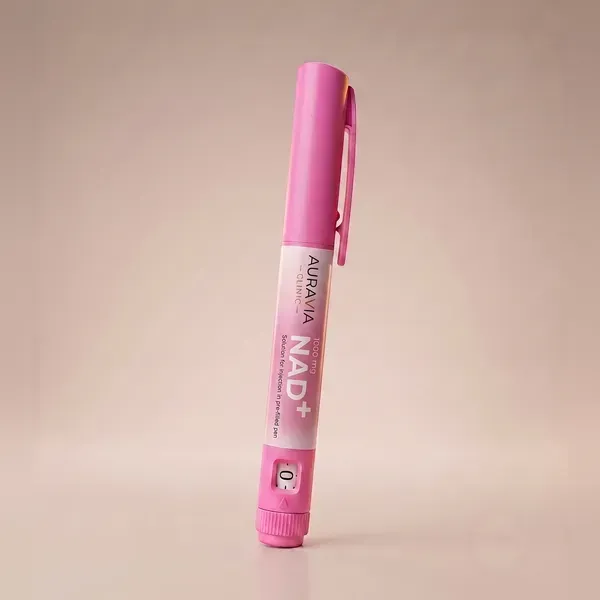
NAD+ Pen
Pre-filled Pen NAD+
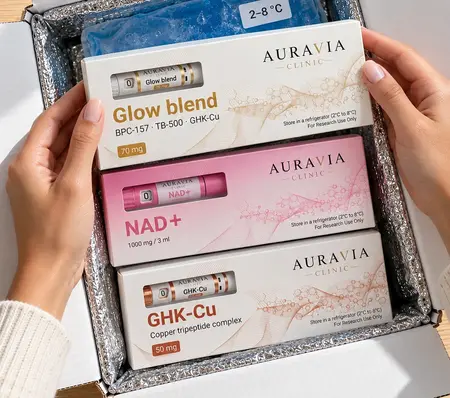
GLOW-UP Ritual
3-pen pack: Glow, NAD+, GHK-Cu

GHK-Cu
Anti-Aging Compound
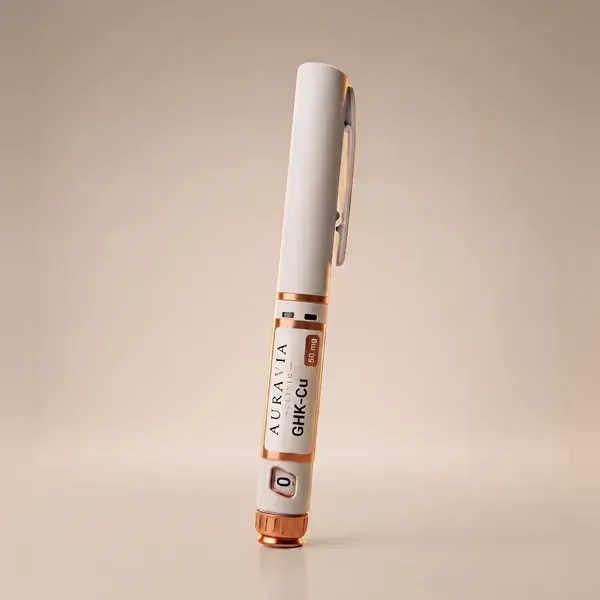
GHK-Cu Pen
Pre-filled Pen GHK-Cu
Test your knowledge
Quick quiz · 6 questions
Frequently Asked Questions
Does an injection raise glutathione levels more than a capsule?
Do skin effects persist after someone stops taking glutathione?
Is intravenous glutathione used in hospitals for anything legitimate?
Has glutathione been studied specifically for melasma?
Why do regulators focus so much on compounded or imported vials?
Could lightening the skin with glutathione increase skin cancer risk?
Is topical or liposomal glutathione better supported than injections?
What should someone discuss with a clinician before considering glutathione?
Sources
- Witschi A, Reddy S, Stofer B, Lauterburg BH (1992). The systemic availability of oral glutathione. European Journal of Clinical Pharmacology. (PubMed)
- Richie JP Jr, Nichenametla S, Neidig W, Calcagnotto A, Haley JS, Schell TD, Muscat JE (2015). Randomized controlled trial of oral glutathione supplementation on body stores of glutathione. European Journal of Nutrition. (PubMed)
- Allen J, Bradley RD (2011). Effects of oral glutathione supplementation on systemic oxidative stress biomarkers in human volunteers. Journal of Alternative and Complementary Medicine. (PubMed)
- Sinha R, Sinha I, Calcagnotto A, Trushin N, Haley JS, Schell TD, Richie JP Jr (2018). Oral supplementation with liposomal glutathione elevates body stores of glutathione and markers of immune function. European Journal of Clinical Nutrition. (nature.com)
- Arjinpathana N, Asawanonda P (2012). Glutathione as an oral whitening agent: a randomized, double-blind, placebo-controlled study. Journal of Dermatological Treatment. (PubMed)
- Weschawalit S, Thongthip S, Phutrakool P, Asawanonda P (2017). Glutathione and its antiaging and antimelanogenic effects. Clinical, Cosmetic and Investigational Dermatology. (dovepress.com)
- Watanabe F, Hashizume E, Chan GP, Kamimura A (2014). Skin-whitening and skin-condition-improving effects of topical oxidized glutathione: a double-blind and placebo-controlled clinical trial in healthy women. Clinical, Cosmetic and Investigational Dermatology. (dovepress.com)
- Dilokthornsakul W, Dhippayom T, Dilokthornsakul P (2019). The clinical effect of glutathione on skin color and other related skin conditions: A systematic review. Journal of Cosmetic Dermatology. (onlinelibrary.wiley.com)
- Sitohang IBS, Ninditya S (2020). Systemic Glutathione as a Skin-Whitening Agent in Adult. Dermatology Research and Practice. (onlinelibrary.wiley.com)
- Sarkar R, Yadav V, Yadav T, Janaani P, Mandal I (2025). Glutathione as a skin-lightening agent and in melasma: a systematic review. International Journal of Dermatology. (onlinelibrary.wiley.com)
- Dlova NC, Enechukwu NA, Cole-Adeife O, Sagoe D, Mitchell JAH, Ali S, Dadzie O (2026). Systemic glutathione for skin lightening: a scoping review of current evidence. Journal of the European Academy of Dermatology and Venereology. (PubMed)
- Sonthalia S, Jha AK, Lallas A, Jain G, Jakhar D (2018). Glutathione for skin lightening: a regnant myth or evidence-based verity?. Dermatology Practical & Conceptual. (dpcj.org)
- Sonthalia S, Daulatabad D, Sarkar R (2016). Glutathione as a skin whitening agent: Facts, myths, evidence and controversies. Indian Journal of Dermatology, Venereology and Leprology.
- Honda Y, Kessoku T, Sumida Y, Kobayashi T, Kato T, Ogawa Y, et al. (2017). Efficacy of glutathione for the treatment of nonalcoholic fatty liver disease: an open-label, single-arm, multicenter, pilot study. BMC Gastroenterology. (PMC)
- Mischley LK, Lau RC, Shankland EG, Wilbur TK, Padowski JM (2017). Phase IIb Study of Intranasal Glutathione in Parkinson's Disease. Journal of Parkinson's Disease. (PubMed)
- US Food and Drug Administration (2019). Injectable Skin Lightening and Skin Bleaching Products May Be Unsafe. FDA Consumer Updates. (fda.gov)
- US Food and Drug Administration (2019). FDA highlights concerns with using dietary ingredient glutathione to compound sterile injectables. FDA Human Drug Compounding. (fda.gov)
- Philippine Food and Drug Administration (2019). FDA Advisory No. 2019-182: Unsafe Use of Glutathione as Skin Lightening Agent. Philippine FDA Advisories. (fda.gov.ph)