Novo Nordisk registers AMBITION 3, a Phase 3 trial of zenagamtide against semaglutide in type 2 diabetes
Novo Nordisk A/S submitted AMBITION 3, a Phase 3 study comparing once weekly zenagamtide with once weekly semaglutide in participants with type 2 diabetes inadequately controlled on metformin, an SGLT2 inhibitor, or both, to ClinicalTrials.gov on 6 November 2026.
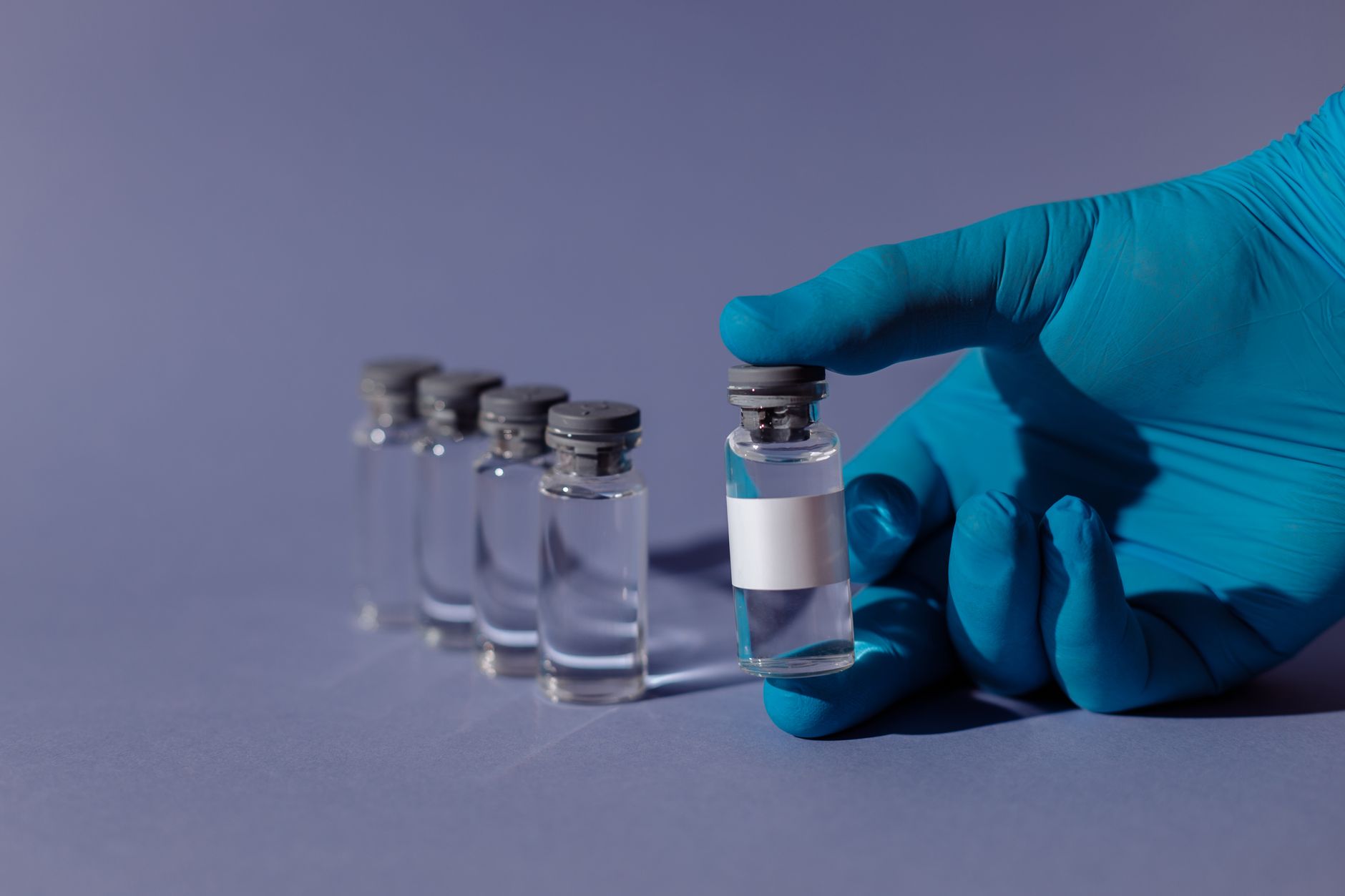
What is Semaglutide?
Semaglutide is a GLP-1 receptor agonist made by Novo Nordisk and sold as Ozempic (weekly injection, type 2 diabetes), Rybelsus (daily tablet, type 2 diabetes) and Wegovy (obesity, as a weekly injection and, since December 2025 in the US and July 2026 in the EU, as a daily pill).
Read the full guide →In 30 seconds
- Novo Nordisk A/S submitted the AMBITION 3 record, which compares zenagamtide with semaglutide, on 6 November 2026.
- The randomised, quadruple masked study plans 1,200 participants with type 2 diabetes inadequately controlled on metformin, an SGLT2 inhibitor, or both.
- The listing is marked not yet recruiting, and the measures it lists run from baseline (week 0) to week 60.
Why it matters
AMBITION 3 puts semaglutide in the role of active comparator rather than the drug under test. The record describes semaglutide as an approved and commonly prescribed treatment used as comparator, while zenagamtide is the treatment being tested. Its brief title describes a study investigating how well zenagamtide at higher dose levels lowers blood sugar and body weight compared to semaglutide, in people with type 2 diabetes treated with metformin, an SGLT2 inhibitor, or both; the official title specifies participants whose type 2 diabetes is inadequately controlled on metformin, an SGLT2 inhibitor, or both. The measures listed include glycated haemoglobin (HbA1c) for non-inferiority and for superiority, and relative change in body weight, all from baseline (week 0) to week 60.
The details
- Sponsor: Novo Nordisk A/S, listed as industry. The study is interventional, Phase 3, randomised, with a parallel intervention model, treatment as primary purpose and quadruple masking (participant, care provider, investigator, outcomes assessor).
- Sponsor staff involved in the clinical trial is masked according to company standard procedures, per the record.
- Planned enrolment: 1,200 participants, listed as estimated.
- Three arms, all given under the skin once a week: zenagamtide (experimental), semaglutide (active comparator), and placebo matched to semaglutide or zenagamtide (placebo comparator). The record is not consistent on this point: its brief summary states that there are 2 study treatments in this study and names only zenagamtide and semaglutide, without mentioning placebo.
- The record lists seven measures, all read from baseline (week 0) to week 60: change in HbA1c tested for non-inferiority (measured in percentage point), relative change in body weight (measured in percentage), change in HbA1c tested for superiority (measured in percentage point), change in triglycerides (ratio to baseline), change in systolic blood pressure (mmHg), change in non-high density lipoprotein (non-HDL) cholesterol (ratio to baseline) and change in high-sensitivity C-reactive protein (hsCRP, ratio to baseline).
- Eligibility: adults aged 18 years or above, diagnosed with type 2 diabetes at or above 180 days before screening, on stable daily treatment with metformin, an SGLT2 inhibitor, or both, at effective or maximum tolerated level as judged by the investigator. The record also lists glycated haemoglobin (HbA1c) as determined by central laboratory at screening as an inclusion criterion, without stating the values required.
- Exclusions include previous treatment with GLP-1 receptor agonists, dual GLP-1/GIP receptor agonists or amylin analogues before screening, and myocardial infarction, stroke, transient ischaemic attack or hospitalisation for unstable angina pectoris within 60 days before screening.
- Sites appear in the record in the United States, Denmark, Saudi Arabia, Australia and the United Kingdom, among other locations.
- Beyond the ClinicalTrials.gov number, the entry carries identifiers in the World Health Organization and European Medical Agency domains. Sharing of individual participant data is marked yes, according to the Novo Nordisk disclosure commitment on novonordisk-trials.com.
What it does not change
This is a registry entry, not a result and not an approval. The overall status is listed as not yet recruiting, so no participant data exist from this study and no comparison between zenagamtide, semaglutide and placebo has been reported. The record describes what will be measured, not what was found. Semaglutide appears here only as the comparator the record calls an approved and commonly prescribed treatment.
What's next
The record was first submitted on 6 November 2026, with the status verified in June 2026. Its estimated dates run from 10 November 2026 to 4 July 2028 and 8 August 2028. The measures the record lists, among them change in HbA1c for non-inferiority and for superiority and relative change in body weight, are read from baseline (week 0) to week 60.
What we don't know yet
The entry gives no efficacy or safety findings, since the study is listed as not yet recruiting. It does not describe what zenagamtide is or how it works, beyond calling it the treatment being tested and giving it as a once weekly injection under the skin. It does not state which HbA1c values measured by the central laboratory at screening let a participant in, and it does not resolve the gap between its brief summary, which describes 2 study treatments, and its arm list, which adds a placebo comparator. It also does not say how the 1,200 planned participants will be split between the zenagamtide, semaglutide and placebo arms, and it states that the HbA1c measures are framed as non-inferiority and superiority without reporting any threshold or outcome.
Products sold online as research peptides are not the medicines studied or approved in this news. A medicine is available in a country only after that country's medicines agency approves it.
Source documents
This article reports news for information only. It is not medical or legal advice and does not recommend any use or dose. Every fact comes from the source documents listed above.