
- Anti-wrinkle peptides fall into two main families: neuromodulating ("Botox-like") peptides that relax muscle contraction, and signal peptides that stimulate collagen and repair.
- Argireline, Snap-8 and Leuphasyl target expression lines (forehead, crow's feet) by dampening neurotransmitter release; Matrixyl 3000, Synthe'6 and GHK-Cu rebuild the dermal matrix.
- Clinically studied effects are real but modest and topical — peptides soften lines rather than erase them, and results build over 4-12 weeks of consistent use.
- Effective concentrations matter: roughly 5-10% Argireline, 3-8% Matrixyl 3000, and 1-3 ppm to ~2 mg/mL GHK-Cu in well-formulated products.
- Peptides are best used morning and/or night after cleansing, before heavier creams, and combined with daily SPF — sun protection remains the single most effective anti-aging step.
- Topical cosmetic peptides are not drugs and do not replace injectable neuromodulators; this article is for educational purposes only.
What Are Anti-Aging Peptides?
Peptides are short chains of amino acids — by convention 2 to 50 residues — that act as biological messengers throughout the body. In skin, naturally occurring peptides signal fibroblasts to build collagen, regulate inflammation, and coordinate wound repair. As we age, this signaling slows: dermal collagen declines by roughly 1% per year after our mid-twenties, elastin fragments, and the skin's ability to bounce back from repeated facial movement weakens. The visible result is fine lines, expression wrinkles and loss of firmness. If you are new to the topic, our overview of what peptides are covers the biochemistry in more depth.
Cosmetic peptides are synthetic analogs designed to mimic or amplify these natural signals. Because they are small and often built to penetrate the outer skin barrier, a well-formulated peptide can reach the upper layers of living epidermis and, to a limited degree, the dermis. There, depending on their sequence, they either tell cells to manufacture more structural proteins or interfere with the biochemical steps that drive muscle-related wrinkling.
It is useful to divide anti-wrinkle peptides into functional categories. Neuromodulating (neurotransmitter-inhibiting) peptides — sometimes marketed as "Botox-like" — reduce the intensity of muscle contractions that fold the skin. Signal (matrikine) peptides stimulate collagen, elastin and hyaluronic acid synthesis. Carrier peptides, most famously copper peptides such as GHK-Cu, deliver trace elements and orchestrate broad repair. Enzyme-inhibitor peptides slow the breakdown of existing collagen. Most modern serums blend two or more of these types.
The global cosmetic peptides market reached roughly $3.2 billion in 2025, and industry analyses suggest around 8 out of 10 anti-aging products now contain at least one peptide. That popularity reflects a genuine, if measured, body of evidence — and also a fair amount of marketing. Throughout this guide we distinguish clearly between what is clinically demonstrated and what remains promotional. For the broader landscape, see our cosmetic peptides guide.
How Do Peptides Reduce Wrinkles?
Wrinkles form through two largely independent mechanisms, and peptides are designed to address each one differently. Understanding the distinction is the single most important concept for choosing the right product.
Dynamic (expression) wrinkles are created by repeated muscle contraction. Every time you frown, squint or raise your eyebrows, facial muscles pull on the overlying skin. Over decades this etches lines into predictable places: horizontal forehead lines, glabellar "11" lines between the brows, and crow's feet at the outer eyes. The muscle contraction itself is triggered when nerve endings release the neurotransmitter acetylcholine across the neuromuscular junction, aided by a protein complex called SNARE. Neuromodulating peptides work here by interfering with acetylcholine release, so the muscle contracts a little less forcefully and the skin folds less sharply.
Static wrinkles are structural. They arise from the gradual loss of collagen and elastin, thinning of the dermis, glycation damage and reduced hydration. These lines remain visible even when the face is completely at rest. Signal peptides address this pathway by binding receptors on fibroblasts and switching on the genes that produce type I and type III collagen, fibronectin, elastin and glycosaminoglycans — effectively nudging aged skin to behave a bit more like younger skin.
This is why no single peptide is "best" for everyone. A person whose main concern is deep crow's feet from years of smiling benefits most from a neuromodulating peptide, whereas someone with crepey, thinning skin and loss of bounce benefits more from collagen-stimulating peptides. Many people have both types of wrinkles, which is the rationale behind combination formulas. Our comparison of Matrixyl versus Argireline walks through exactly this decision.
A critical caveat: topical peptides act on the surface and upper layers of skin. They are not injected, they do not reach muscle in the way an injectable neuromodulator does, and their effects are correspondingly gentler and reversible. They soften and prevent rather than freeze. Managed expectations are essential to being satisfied with peptides.
Argireline, Snap-8 & Leuphasyl: How Do Botox-Like Peptides Work?
Argireline, INCI name Acetyl Hexapeptide-8 (formerly Acetyl Hexapeptide-3), is the most studied topical neuromodulating peptide. Its six-amino-acid sequence (Ac-EEMQRR-NH₂) mimics the N-terminal end of SNAP-25, a component of the SNARE complex that vesicles use to dock and release acetylcholine. By competing with native SNAP-25, Argireline is proposed to destabilize SNARE assembly, reducing neurotransmitter release and softening muscle contraction. Manufacturer and independent studies have reported reductions in wrinkle depth of up to roughly 30% over about 30 days of twice-daily use, concentrated in the forehead and eye area. The effect is far milder than injectable botulinum toxin but carries none of the injection-related risk. Our dedicated Argireline guide covers the data in detail.
Snap-8 (Acetyl Octapeptide-3) is an eight-amino-acid elongation of the same SNAP-25 mimic concept. The two additional residues are intended to improve binding to the SNARE complex, and some formulators consider it slightly more potent or better tolerated than Argireline at comparable concentrations, though head-to-head clinical evidence is limited. It targets the same expression lines and is frequently paired with Argireline in "peptide complex" serums.
Leuphasyl (Pentapeptide-18) works through a complementary pathway. Rather than mimicking SNAP-25, it acts as an enkephalin analog that modulates the enkephalin and calcium-channel signaling upstream of acetylcholine release. Because it dampens contraction by a different mechanism, Leuphasyl is specifically formulated to be combined with Argireline; the pairing is designed to produce an additive reduction in muscle activity that neither achieves alone.
A few honest limitations apply to this entire class. First, penetration is the rate-limiting step — these are relatively large, charged molecules, and how deeply they reach depends heavily on the formulation vehicle. Second, the strongest efficacy data come from manufacturer-sponsored studies with small sample sizes, so independent replication remains thin. Third, the effect requires continuous use; discontinue the product and normal muscle activity resumes within days to weeks. These peptides are a maintenance and prevention tool, not a one-time correction.
Matrixyl 3000 & Synthe'6: Which Peptides Stimulate Collagen?
Where neuromodulating peptides address movement, signal peptides address structure. The best known is Matrixyl 3000, a synergistic blend of two matrikines: Palmitoyl Tripeptide-1 and Palmitoyl Tetrapeptide-7. Matrikines are fragments of the extracellular matrix that, when released during natural collagen turnover, act as "repair" messages to fibroblasts. By supplying these signals directly, Matrixyl 3000 is intended to accelerate synthesis of collagen and hyaluronic acid while the tetrapeptide component also helps calm inflammatory signaling. Sederma's research reported increases in collagen synthesis on the order of 117% and measurable reductions in wrinkle volume over about two months of use. Our Matrixyl 3000 guide details the study design and endpoints.
The palmitoyl (fatty-acid) tail attached to these peptides is not cosmetic filler — it makes the molecule lipophilic so it can cross the skin's oily barrier far more effectively than an unmodified peptide. This lipidation is a major reason Matrixyl-family ingredients penetrate reliably, and it is why they are considered among the more evidence-backed cosmetic peptides.
Matrixyl Synthe'6 (Palmitoyl Tripeptide-38) is a newer signal peptide from the same family, designed to stimulate six major constituents of the dermal matrix and the dermal-epidermal junction: collagen I, III and IV, fibronectin, hyaluronic acid and laminin-5. Its marketing angle is "rebuilding the skin from within," and manufacturer data suggest visible smoothing of forehead and crow's-feet wrinkles over roughly two months. Because it targets the junction that anchors epidermis to dermis, it is often positioned for overall skin remodeling rather than a single wrinkle type.
Other collagen-oriented peptides you may see include copper tripeptide (GHK-Cu), covered in the next section, and Palmitoyl Pentapeptide-4 (the original Matrixyl). For a ranked overview across products, see our roundup of the top 10 collagen peptides. As always, the collagen-stimulation percentages quoted by manufacturers come from in-vitro fibroblast cultures or small clinical panels; they are encouraging directional evidence, not a promise of a specific outcome on your face.
GHK-Cu: What Makes the Copper Peptide Different?
GHK-Cu (the copper-bound tripeptide glycyl-L-histidyl-L-lysine) occupies a category of its own. It was discovered in 1973 by biochemist Loren Pickart, who found that a small peptide isolated from human plasma could make aged liver tissue behave younger. GHK naturally circulates in plasma at roughly 200 ng/mL around age 20 and declines steadily with age, which is one reason it is framed as a "restorative" signal rather than a novel drug. Our full GHK-Cu guide traces this history.
GHK-Cu is a carrier peptide: it has a high affinity for copper ions and shuttles this essential trace element into cells, where copper serves as a cofactor for enzymes involved in collagen and elastin cross-linking and antioxidant defense. Beyond copper delivery, gene-expression research suggests GHK-Cu can influence a remarkably broad set of pathways — studies have reported modulation of over 4,000 genes and stimulation of collagen synthesis by as much as 70% in fibroblast models, alongside effects on wound healing, antioxidant response and skin remodeling.
For anti-aging specifically, this translates to a multi-pronged profile: increased collagen and glycosaminoglycan production, improved skin firmness and elasticity, and reduction in the appearance of fine lines and photodamage in several small clinical studies. Because it also supports barrier repair and has anti-inflammatory activity, GHK-Cu is often the peptide of choice for skin that is thin, reactive or showing early signs of environmental aging. Public interest has grown sharply, with search volume reportedly rising over 1,000% year over year into 2026.
Two practical formulation notes matter. First, copper peptides can react with strong direct-acid actives (high-percentage vitamin C, and to a lesser extent some acids), so many dermatologists recommend using GHK-Cu at a different time of day than a potent L-ascorbic acid serum to avoid destabilizing either ingredient. Second, GHK-Cu products carry a faint blue-green tint from the copper — a normal feature, not spoilage. To see how it stacks against a classic active, our peptides versus retinol comparison is a useful companion read.
What Concentrations Actually Work?
A peptide is only as good as its formulation. The most common reason a peptide serum underperforms is that it contains a token, sub-effective amount so the ingredient can appear on the label. Below are the concentration ranges supported by the studies and formulator guidance for each key peptide. Treat these as orientation, not medical prescriptions — actual efficacy also depends on pH, vehicle, penetration enhancers and packaging.
| Peptide | Primary action | Typical effective range | Best for |
|---|---|---|---|
| Argireline (Acetyl Hexapeptide-8) | Neuromodulating | 5-10% | Forehead, crow's feet |
| Snap-8 (Acetyl Octapeptide-3) | Neuromodulating | ~10% of trade solution | Expression lines |
| Leuphasyl (Pentapeptide-18) | Neuromodulating (enkephalin) | 2-5%, paired with Argireline | Combination formulas |
| Matrixyl 3000 | Signal / collagen | 3-8% | Fine lines, firmness |
| Matrixyl Synthe'6 | Signal / matrix | 2-10% of trade solution | Overall remodeling |
| GHK-Cu | Carrier / repair | ~1-3 ppm up to ≈2 mg/mL (0.1-0.2%) | Firmness, barrier, photodamage |
Note that trade ingredients such as Argireline and Matrixyl are usually supplied as dilute solutions (for example a 10% "Matrixyl 3000" often means 10% of a solution that itself contains a small fraction of active peptide). This is normal and expected — the manufacturer's clinical testing was done at these use levels. What you want to avoid is a product where peptides sit near the very bottom of the ingredient list with no stated percentage.
Packaging is an underrated variable. Peptides degrade with exposure to air, light and heat, so opaque, airless pump bottles preserve activity far better than clear jars. If a GHK-Cu or Matrixyl product comes in a wide-mouth clear jar, assume some loss of potency over the life of the product.
Finally, more is not always better. Layering four different high-strength peptide products does not multiply results and can increase the chance of irritation from the surrounding formulation (preservatives, solvents, fragrances). A well-constructed complex serum with two or three peptides at proper concentrations usually outperforms a stack of single-ingredient products. Our guide to peptide stacking explains sensible combinations.
How Do You Build a Peptide Anti-Aging Routine?
Peptides are generally gentle and play well with most other actives, which makes them easy to slot into an existing regimen. The core principle is to apply water-based peptide serums to clean skin, before heavier creams and oils, so nothing blocks their contact with the skin surface. A straightforward, evidence-aligned routine looks like this.
Morning: cleanse, apply a neuromodulating or signal peptide serum (Argireline, Snap-8 or Matrixyl 3000 are all suitable for daytime), follow with a hydrating moisturizer, and finish with a broad-spectrum SPF 30 or higher. Sun protection is non-negotiable: ultraviolet exposure is responsible for the large majority of visible skin aging, and no peptide can compensate for daily unprotected sun. In practical terms, diligent sunscreen use will do more for wrinkles than any serum on this page.
Evening: cleanse, then apply your repair-focused peptides. GHK-Cu and collagen-stimulating peptides fit naturally at night when the skin's own repair processes are most active. Follow with moisturizer to seal in hydration. If you also use retinoids, a common approach is to alternate nights — retinoid one evening, peptides such as GHK-Cu the next — which reduces irritation while still benefiting from both. Our article on peptides for skin offers additional routine templates.
Combination notes worth remembering: peptides pair excellently with hyaluronic acid, niacinamide and ceramides. Neuromodulating peptides and signal peptides can be layered together and are, in fact, more effective as a pair for people with both dynamic and static wrinkles. The main caution is separating GHK-Cu from high-strength direct vitamin C or strong exfoliating acids into different parts of the day, as discussed earlier, to protect the stability of both.
Consistency and patience are the real active ingredients. Neuromodulating effects begin to appear within about two to four weeks, while collagen-driven improvements in firmness and static lines typically need eight to twelve weeks — and continue improving with sustained use. Photograph your skin in consistent lighting at the start so you can judge progress objectively rather than by daily impression.
Are Anti-Aging Peptides Safe — and What Should You Realistically Expect?
Topical cosmetic peptides have a strong safety profile. Because they are highly specific signaling molecules used at low concentrations on the skin surface, adverse effects are uncommon and usually limited to mild, transient redness or irritation — more often attributable to other formulation components (preservatives, fragrance, solvents) than to the peptide itself. That said, no product is completely without risk: perform a patch test on the inner forearm before first facial use, and discontinue if you develop persistent redness, itching or breakouts. This article is for educational purposes only and does not replace personalized advice from a dermatologist or other healthcare professional.
It is important to separate cosmetic peptides from injectable or systemic "research peptides." The peptides discussed here are established cosmetic ingredients used topically. Many other peptides sold online — including systemic "research peptides" marketed for skin or anti-aging via injection — are not approved by the FDA or EMA for such use, their legal status varies by jurisdiction, and much of their evidence is preclinical or anecdotal. This guide does not endorse injectable or ingestible peptide use for anti-aging; see our medical disclaimer for the full scope of these limitations.
Set realistic expectations. Independent research on topical peptides shows measurable but modest improvements — softer, shallower lines and better firmness — not the dramatic erasure implied by some marketing. Effects are also reversible and maintenance-dependent: stop using the product and the skin gradually returns to baseline. Anyone promising permanent or injectable-equivalent results from a cream is overselling. Peptides are best understood as one reliable, low-risk pillar of a long-term regimen alongside sun protection, retinoids, antioxidants and good general skin care.
Special situations warrant professional guidance: if you are pregnant or breastfeeding, have very reactive or compromised skin, or are combining peptides with prescription topicals, discuss your routine with a dermatologist first. And remember that skincare is only part of the picture — sleep, nutrition, not smoking and hydration all measurably influence how skin ages. For a balanced view of what peptides can and cannot do, our overview of the best peptides overall puts cosmetic use in context.
Recommended products
Research peptides selected for quality and purity:
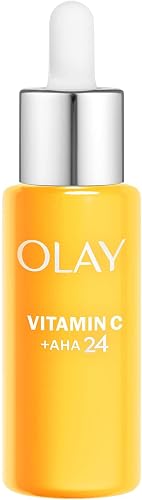
Olay Regenerist Vitamin C + Peptide 24
Peptide cream
Peter Thomas Roth Peptide 21 Wrinkle Resist Serum
Peptide serum

Paula's Choice Pro-Collagen Multi-Peptide Booster
Peptide serum
Test your knowledge
Quick quiz · 6 questions
Peptide Lab: free calculator & tracker
Calculate your reconstitution, track your peptides and injections. Free, no credit card required.
Frequently Asked Questions
Which is the single best peptide for wrinkles?
Are peptides as effective as Botox?
How long until I see results from anti-aging peptides?
Can I use peptides together with retinol and vitamin C?
What concentration of peptides should a good product contain?
Do peptides have side effects?
Are copper peptides (GHK-Cu) safe for sensitive skin?
Are anti-wrinkle peptides FDA approved?
Sources
- Blanes-Mira C, Clemente J, Jodas G, et al. (2002). A synthetic hexapeptide (Argireline) with antiwrinkle activity. International Journal of Cosmetic Science.
- Wang Y, Wang M, Xiao S, Pan P, Li P, Huo J. (2013). The anti-wrinkle efficacy of Argireline, a synthetic hexapeptide, in Chinese subjects. American Journal of Clinical Dermatology.
- Pickart L, Margolina A. (2018). Regenerative and Protective Actions of the GHK-Cu Peptide in the Light of the New Gene Data. International Journal of Molecular Sciences.
- Pickart L, Vasquez-Soltero JM, Margolina A. (2015). GHK Peptide as a Natural Modulator of Multiple Cellular Pathways in Skin Regeneration. BioMed Research International.
- Errante F, Ledwoń P, Latajka R, Rovero P, Papini AM. (2020). Cosmeceutical Peptides in the Framework of Sustainable Wellness Economy. Frontiers in Chemistry.
- Gorouhi F, Maibach HI. (2009). Role of topical peptides in preventing or treating aged skin. International Journal of Cosmetic Science.