

- Under-eye concerns are not one problem: puffiness, pigmented dark circles, vascular dark circles and fine lines each respond to different peptides.
- Eyeliss (a palmitoyl tripeptide-1 blend) targets fluid retention and capillary fragility that drive puffiness and shadowing.
- Haloxyl combines peptides with a vitamin-derivative to help clear the iron-pigment deposits behind blue-brown dark circles.
- Argireline softens the appearance of dynamic crow's feet, while Matrixyl 3000 supports collagen for static wrinkles.
- Peptides work best in a well-formulated base combined with caffeine and vitamin K; results are gradual (8-12 weeks) and modest, not dramatic.
Why Does the Eye Area Need Specific Peptides?
The skin around the eyes is the thinnest on the body — roughly 0.5 mm compared with about 2 mm on the cheek — and it contains very few sebaceous glands. This delicate structure sits directly over a dense network of superficial blood vessels and a thin cushion of orbital fat. The result is an area that shows fatigue, fluid shifts and pigment changes far more readily than the rest of the face, which is exactly why generic anti-aging creams often underperform here.
Under-eye complaints are frequently lumped together as "dark circles and bags," but they have distinct biological causes. Puffiness usually reflects lymphatic congestion and fluid retention, sometimes combined with mild fat herniation. Vascular dark circles appear bluish because thin skin lets underlying veins and deoxygenated blood show through. Pigmented dark circles are brown and driven by melanin, and sometimes by breakdown products of blood that leave iron-rich deposits. Fine lines and crow's feet are a separate mechanical process tied to repeated muscle movement and collagen loss.
Because these mechanisms differ, no single ingredient corrects all of them. This is where targeted cosmetic peptides become useful: short chains of amino acids that act as signaling molecules, nudging skin cells toward specific behaviors such as building collagen, calming inflammation, strengthening capillary walls, or clearing pigment. Rather than a broad moisturizing effect, each peptide addresses a particular pathway.
The four peptide complexes most relevant to the eye contour — Eyeliss, Haloxyl, Argireline and Matrixyl — were each engineered around one of these problems. Understanding what each does, and what it cannot do, is the foundation for choosing a product or building an effective routine. For a broader primer on how these molecules interact with skin, see our overview of peptides for skin.
This article is for educational purposes only and is not medical advice. Persistent or sudden changes in the eye area should be evaluated by a healthcare professional, as they can occasionally signal allergy, thyroid or kidney conditions.
Which Peptides Target Puffiness and Poor Drainage?
Puffiness under the eyes is largely a plumbing problem. The periorbital lymphatic system is easily overwhelmed by salt, sleep position, alcohol, hormonal shifts and age-related loss of tissue tone. When lymph and interstitial fluid pool, the tissue swells and can also cast a shadow that reads as a dark circle. The peptide complex most associated with this concern is Eyeliss.
Eyeliss is a trademarked blend (from Sederma) built around palmitoyl tripeptide-1 together with dipeptide-2 (Val-Trp) and hesperidin methyl chalcone, a flavonoid derivative. The design logic is three-pronged: dipeptide-2 is thought to inhibit angiotensin-converting enzyme locally to improve lymphatic drainage, hesperidin methyl chalcone aims to reduce capillary permeability so less fluid leaks into tissue, and the palmitoyl tripeptide supports the extracellular matrix so the skin holds its shape better.
In the manufacturer's clinical evaluations, twice-daily use of a 3% Eyeliss formulation over roughly 28-56 days reduced under-eye bag appearance in a majority of participants. These are supplier-sponsored studies rather than large independent trials, so the effect should be read as real but moderate. The mechanism is most useful for genuine fluid-related puffiness rather than fat herniation, which is structural and generally requires a dermatologic or surgical approach.
Practically, drainage-focused peptides pair well with mechanical measures: cool compresses, sleeping with the head slightly elevated, and reducing evening sodium. Because the effect is partly on fluid dynamics, some users notice a morning benefit that plateaus during the day. Consistency over several weeks matters more than any single application, a theme common to nearly all peptides in cosmetics.
It is worth setting expectations honestly: no topical peptide removes true "eye bags" caused by displaced orbital fat. Eyeliss and similar drainage complexes reduce the swelling and shadowing component, which for many people is a visible improvement, but they are not a substitute for procedures when anatomy is the primary cause.
Which Peptides Fade Pigmented Dark Circles?
Not all dark circles are pigment, but a significant share are — especially brown and blue-brown shadows. Two pigment sources matter here: melanin produced by melanocytes, and hemoglobin breakdown products. When tiny capillaries leak, blood degrades into bilirubin and iron-containing compounds that stain the thin skin, much like a slow-healing bruise. This is the primary target of Haloxyl.
Haloxyl (also from Sederma) combines palmitoyl tripeptide-1 and palmitoyl tetrapeptide-7 with N-hydroxysuccinimide and chrysin, a plant flavonoid. Chrysin and N-hydroxysuccinimide are included to help the body process and clear the iron and bilirubin deposits, in effect helping the skin "finish healing" old micro-bruising, while the peptides work to thicken and firm the fragile skin so that underlying color shows through less.
Supplier studies of a 2% Haloxyl formulation reported meaningful reductions in the dark coloration of the eye area over about eight weeks in most participants, with a measurable increase in skin thickness. Independent dermatology literature on periorbital hyperpigmentation similarly emphasizes that combination approaches — targeting pigment clearance and skin thickness together — outperform single agents. As with Eyeliss, treat the branded data as directional rather than definitive.
Haloxyl is best suited to pigmented and hemoglobin-driven circles. It does relatively little for purely vascular (blue) circles caused by translucency alone, and nothing for shadowing caused by facial structure or volume loss. Determining your dark-circle type is therefore the single most useful step: a simple test is to gently stretch the skin — pigment stays put, vascular color often lightens, and structural shadows change with lighting angle.
Because pigment turnover is slow, Haloxyl and related complexes require patience, typically 8-12 weeks of consistent twice-daily use. They combine well with broad-spectrum sunscreen, since ultraviolet exposure drives melanin production and undermines any brightening effort. For melanin-dominant circles specifically, pairing peptides with established brighteners is common practice.
How Do Argireline and Matrixyl Smooth Crow's Feet and Wrinkles?
Fine lines around the eyes come in two forms. Dynamic lines — classic crow's feet — appear when the orbicularis oculi muscle contracts during smiling and squinting. Static lines remain visible at rest and reflect cumulative collagen and elastin loss. The two leading peptides here address these forms through completely different routes.
Argireline (Acetyl Hexapeptide-8, formula C₃₄H₆₀N₁₄O₁₂S, molecular weight 888.99 g/mol) is often described as "topical Botox," though the comparison overstates its effect. It is a fragment mimicking the N-terminus of SNAP-25, a protein in the SNARE complex that governs neurotransmitter release at the neuromuscular junction. By competing with SNAP-25, Argireline is thought to modestly reduce the intensity of muscle contraction, softening the appearance of dynamic lines. Foundational work by Blanes-Mira and colleagues demonstrated this mechanism in vitro and reported reduced wrinkle depth with topical use.
The honest limitation is penetration: Argireline is a relatively large, charged molecule, and topical delivery to the muscle is far less efficient than an injection. Reported reductions in wrinkle depth of up to around 30% in supplier and small clinical studies are meaningful for a cosmetic, but the effect is gradual, reversible, and best on early, shallow expression lines. You can read a fuller comparison in our Argireline guide.
Matrixyl takes the opposite approach — building rather than relaxing. The most studied version, Matrixyl 3000, combines palmitoyl tripeptide-1 and palmitoyl tetrapeptide-7, while classic Matrixyl uses palmitoyl pentapeptide-4. These are matrikines: signal peptides that mimic collagen fragments and prompt fibroblasts to synthesize new collagen, elastin and hyaluronic acid. Sederma's data report collagen synthesis increases on the order of 117% in fibroblast models, and Robinson and colleagues found visible improvement in photoaged skin with topical palmitoyl pentapeptide.
For the eye contour, the two are complementary rather than competing: Argireline for the movement component of crow's feet, Matrixyl for the structural, static component. Many well-designed eye products include both. If you are weighing them individually, our Matrixyl vs Argireline comparison walks through the trade-offs, and the Matrixyl 3000 guide covers concentrations in detail.
Eye Cream or Serum: Which Formulation Delivers Peptides Best?
The delivery vehicle matters as much as the active peptide. Peptides are water-loving, sensitive molecules, and how they are formulated determines whether they stay stable, penetrate, and remain in contact with skin long enough to signal. The two dominant formats are lightweight serums and richer eye creams, and each has trade-offs.
Serums are water-based, low in occlusive oils, and typically carry higher active concentrations. Their thin texture penetrates quickly and layers well under other products, which makes them ideal for peptides like Argireline and Matrixyl that benefit from higher concentrations and repeated exposure. The downside is less barrier support: on very dry or mature skin, a serum alone may not seal in moisture, and some peptide serums have a slightly tacky finish.
Eye creams contain more emollients and occlusives, which reinforce the fragile eye-area barrier and improve the residence time of actives by slowing evaporation. This can be advantageous for drainage complexes like Eyeliss and for older skin. The trade-off is that heavy creams can occasionally contribute to milia (small keratin bumps) around the eyes and may feel greasy under makeup.
Stability is a decisive factor. Peptides degrade with heat, light and unfavorable pH, so packaging matters: airless pumps and opaque tubes protect actives far better than open jars. A formulation's pH should suit the peptide — most cosmetic peptides prefer a mildly acidic to neutral range — and problematic combinations, such as high concentrations of direct acids in the same layer, can cleave peptide bonds and reduce activity.
For most people, the practical answer is not either/or. A common and effective approach is a peptide serum applied first to bare skin, followed by a light eye cream to lock it in and support the barrier. If you prefer a single product, choose a well-formulated cream-serum hybrid in airless packaging that lists its peptide complexes high on the ingredient list. For guidance on choosing formulations, see our roundup of the best peptide serums.
What Complementary Ingredients Boost Peptide Results?
Peptides rarely work alone in a good eye formula. Two supporting ingredients are especially well matched to under-eye concerns: caffeine and vitamin K. Both address mechanisms that peptides only partially cover, which is why they appear so often alongside Eyeliss and Haloxyl.
Caffeine is a vasoconstrictor and a mild diuretic when applied topically. By temporarily narrowing dilated capillaries and helping to move excess fluid, it can visibly reduce both puffiness and the bluish tint of vascular dark circles within minutes to hours. This makes it an excellent partner to drainage peptides: caffeine delivers a quick, short-lived depuffing effect while Eyeliss works on the slower, structural improvement of lymphatic tone and capillary integrity. Concentrations of roughly 1-3% are typical in eye products.
Vitamin K (phytonadione) plays a role in blood coagulation and is included in eye formulations to help address the leaked-blood component of dark circles. The rationale mirrors Haloxyl's: by supporting the clearance of extravasated blood and strengthening capillary walls, vitamin K may reduce the discoloration that hemoglobin breakdown leaves behind. Clinical evidence is modest and mixed, and it is generally most effective in combination — for example with vitamin C or retinol — rather than as a standalone.
Other useful companions include niacinamide, which supports the barrier and can help even tone; hyaluronic acid for surface hydration and plumping of fine lines; and low-concentration retinol to thicken skin over time, though retinol requires cautious introduction around the eyes. Antioxidants such as vitamin C both brighten pigment and protect peptides and the skin from oxidative stress.
A word of caution on layering: not everything belongs together. Strong exfoliating acids and high-strength retinoids can irritate the thin eye-area skin and may destabilize certain peptides if applied simultaneously. A sensible pattern is to reserve peptides and supportive antioxidants for one part of the day and any retinoid for the other. For a structured approach to combining actives, our peptide stacking guide covers compatibility in more depth.
How Do You Build a Combined Eye-Contour Protocol?
Because the four peptide complexes target different problems, the most effective routine matches ingredients to your specific concerns rather than layering everything indiscriminately. Start by identifying your dominant issue — puffiness, pigmented circles, vascular circles, or lines — then build outward. The table below maps concerns to the appropriate peptide and companion.
| Primary concern | Lead peptide | Best companion | Typical timeframe |
|---|---|---|---|
| Puffiness / fluid retention | Eyeliss | Caffeine | 4-8 weeks |
| Pigmented (brown) circles | Haloxyl | Vitamin K, vitamin C, SPF | 8-12 weeks |
| Crow's feet (dynamic lines) | Argireline | Hyaluronic acid | 8-12 weeks |
| Static wrinkles / thin skin | Matrixyl 3000 | Niacinamide, low-dose retinol | 12+ weeks |
A practical daily structure looks like this. In the morning, apply a peptide serum containing Eyeliss and/or Haloxyl with caffeine to bare, clean skin, allow a minute to absorb, follow with a light eye cream, and always finish with broad-spectrum sunscreen — ultraviolet exposure worsens both pigmentation and collagen loss. In the evening, use an Argireline and Matrixyl serum to work on lines overnight, when skin repair is most active, sealed with a slightly richer cream.
Application technique is easy to overlook but matters around the eyes. Use a small amount — roughly a grain of rice per eye — and tap it gently along the orbital bone with the ring finger, which exerts the least pressure. Avoid dragging the skin or applying too close to the lash line, where product can migrate into the eye. A gentle patting motion also assists lymphatic drainage, complementing depuffing ingredients.
Set a realistic timeline. Caffeine's depuffing effect is same-day, but the genuine peptide benefits — reduced pigmentation, firmer skin, softer lines — unfold over 8-12 weeks of twice-daily consistency, and stopping typically reverses the gains over a similar period since peptides do not permanently alter the skin. Photograph the area under consistent lighting every few weeks; incremental change is hard to perceive day to day.
Finally, layer thoughtfully. Introduce one new product at a time to identify any irritation, keep potent retinoids and acids separated from peptide applications, and do not overload the delicate area with too many actives at once. Simplicity and consistency outperform complexity here. If you are new to combining actives, review our peptides vs retinol comparison before adding a retinoid to the mix.
Are Eye Peptides Safe, and What Are Their Limits?
Cosmetic peptides used topically have a strong safety record. They are generally well tolerated, low in allergenic potential, and act as gentle signaling molecules rather than aggressive actives, which makes them a reasonable option even for the sensitive eye area. The peptides discussed here — Eyeliss, Haloxyl, Argireline and Matrixyl — are established cosmetic ingredients rather than drugs, and are not intended to diagnose, treat or cure any condition.
That said, no product is universally safe. Irritation, redness or stinging can occur, particularly if a formulation also contains fragrance, high alcohol content or strong co-actives. Patch testing a new product on the inner forearm for a few days before applying it near the eyes is prudent. Anyone who is pregnant, breastfeeding, or managing a diagnosed skin or eye condition should consult a healthcare professional before starting, and product should be kept out of the eyes themselves.
The more important limitation is one of expectations. Topical peptides produce modest, gradual, reversible improvements. They cannot correct structural eye bags from herniated fat, deep tear-trough hollows from volume loss, or genetically determined skin translucency — these often require in-office procedures such as fillers, energy-based devices or surgery. Much of the clinical data supporting branded peptide complexes comes from manufacturer-sponsored studies with small sample sizes, so effect sizes should be read conservatively.
It also helps to remember that under-eye appearance is multifactorial. Sleep quality, hydration, sodium intake, allergies, sun exposure and genetics all contribute, and no cream overrides them. Peptides are best viewed as one supportive part of a broader routine that includes sun protection, adequate rest and, where appropriate, professional evaluation. Persistent or asymmetric dark circles and swelling occasionally reflect medical issues — such as thyroid dysfunction, anemia or allergy — and warrant a clinician's assessment rather than another product.
This content is for educational purposes only and does not constitute medical advice. Always consult a qualified healthcare professional or dermatologist before beginning any new skincare regimen, especially for persistent under-eye concerns. See our medical disclaimer for full details.
Recommended products
Research peptides selected for quality and purity:

The Ordinary Multi-Peptide + HA Serum
Peptide serum
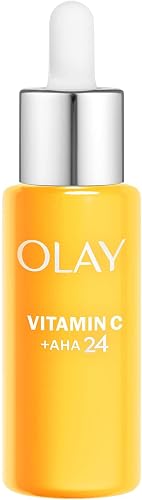
Olay Regenerist Vitamin C + Peptide 24
Peptide cream
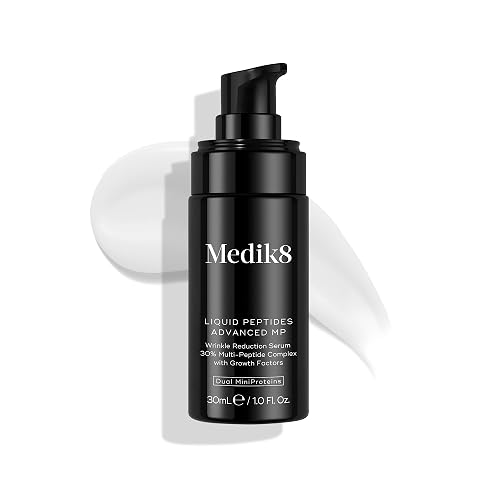
Medik8 Liquid Peptides Advanced MPC
Peptide serum
Test your knowledge
Quick quiz · 6 questions
Peptide Lab: free calculator & tracker
Calculate your reconstitution, track your peptides and injections. Free, no credit card required.
Frequently Asked Questions
Which peptide is best for under-eye dark circles?
How long do peptide eye creams take to work?
Can Argireline really work like Botox for crow's feet?
Should I use a peptide eye serum or an eye cream?
Can I combine peptides with caffeine, vitamin K or retinol?
Can peptide creams remove eye bags completely?
Sources
- Blanes-Mira C, Clemente J, Jodas G, et al. (2002). A synthetic hexapeptide (Argireline) with antiwrinkle activity. International Journal of Cosmetic Science.
- Robinson LR, Fitzgerald NC, Doughty DG, et al. (2005). Topical palmitoyl pentapeptide provides improvement in photoaged human facial skin. International Journal of Cosmetic Science.
- Lintner K, Peschard O. (2000). Biologically active peptides: from a laboratory bench curiosity to a functional skin care product. International Journal of Cosmetic Science.
- Sarkar R, Ranjan R, Garg S, et al. (2016). Periorbital Hyperpigmentation: A Comprehensive Review. Journal of Clinical and Aesthetic Dermatology.
- Herman A, Herman AP. (2013). Caffeine's mechanisms of action and its cosmetic use. Skin Pharmacology and Physiology.
- Ahmadraji F, Shatalebi MA. (2015). Evaluation of the clinical efficacy and safety of an eye counter pad containing caffeine and vitamin K in emulsified Emu oil base. Advanced Biomedical Research.
- Errante F, Ledwoń P, Latajka R, et al. (2020). Cosmeceutical Peptides in the Framework of Sustainable Wellness Economy. Frontiers in Chemistry.