
What is MK-677, and why is it not a peptide?
Before anything else, one correction that matters: MK-677 is not a peptide. It is routinely sold and discussed alongside research peptides, listed on peptide vendor sites and grouped into peptide articles, but chemically it belongs to a different family altogether. MK-677, also called ibutamoren or ibutamoren mesylate, is a spiropiperidine small molecule with the formula C₂₇H₃₆N₄O₅S and a molecular weight of about 528.67 g/mol for the free base (624.77 g/mol for the mesylate salt). There is no amino acid sequence to quote, because there are no amino acids linked by peptide bonds.
That distinction is not academic. Peptides are chains of amino acids, typically broken down rapidly in the gut and in plasma, which is why most research peptides are injected and have half-lives measured in minutes. MK-677 was deliberately engineered to escape those constraints. It is orally bioavailable and long-acting, which is precisely what made it commercially interesting to its developer.
That developer was Merck. The compound was first described in the scientific literature in 1995 under the internal code L-163,191, in a paper by Patchett and colleagues in the Proceedings of the National Academy of Sciences describing the design and biological activity of a potent, orally active growth hormone secretagogue. Merck pursued it through a substantial clinical program across the following two decades: growth hormone deficiency, obesity, catabolic states, sarcopenia after hip fracture, and Alzheimer's disease. None of those programs resulted in an approved medicine.
Today MK-677 occupies an unusual position. It has a far larger body of controlled human data than most compounds circulating in the research chemical market, including multi-hundred-patient randomized trials, and yet it is not approved for human use in any country. The evidence base is unusually informative precisely because it includes the trials that failed. This article is educational only and is not a recommendation to use MK-677. Consult a qualified healthcare professional for any question about your health.
How does MK-677 act on the ghrelin receptor?
MK-677 is an agonist at the growth hormone secretagogue receptor type 1a (GHS-R1a), the same receptor activated by the endogenous hormone ghrelin. Ghrelin is produced mainly by the stomach and signals both to the hypothalamus and the pituitary. When MK-677 occupies that receptor, it reproduces the two principal downstream consequences of ghrelin signaling: stimulation of pituitary growth hormone release, and stimulation of appetite.
The pituitary effect is amplifying rather than overriding. MK-677 increases the amplitude of natural GH pulses rather than producing a continuous flat elevation of GH, which means the underlying pulsatile architecture of GH secretion is preserved. Negative feedback from somatostatin and from circulating IGF-1 remains in place, which is one reason trials did not observe the runaway GH levels seen in acromegaly. The 1995 PNAS characterization reported that the compound could still stimulate GH secretion 24 hours after a single oral administration, consistent with its long duration of action.
Because the receptor is the same one targeted by the ghrelin-mimetic peptides, MK-677 belongs mechanistically to the same class as ipamorelin, GHRP-2 and GHRP-6. The difference is pharmaceutical rather than mechanistic: those are injectable peptides cleared within minutes, while MK-677 is a small molecule that survives first-pass metabolism and remains active across a full day.
Growth hormone itself is not the end of the chain. GH acts largely on the liver to drive production of insulin-like growth factor 1 (IGF-1), which mediates most of the anabolic signaling attributed to the GH axis. This is why trials of MK-677 consistently report IGF-1 as the primary biochemical readout, and why the compound was tested in conditions where restoring IGF-1 was thought to be therapeutically useful. It is also why appetite stimulation appears as a predictable, mechanism-linked effect rather than an incidental one: activating GHS-R1a activates the orexigenic pathway at the same time.
What do human trials show about GH and IGF-1?
On the narrow question of whether MK-677 raises GH and IGF-1 in humans, the evidence is unusually consistent. This is the part of the story that is well established.
The foundational study is Chapman and colleagues (1996), published in the Journal of Clinical Endocrinology and Metabolism. Healthy elderly subjects received placebo or oral MK-677 at 2, 10 or 25 mg once daily across two study periods of 14 and 28 days. Treatment enhanced pulsatile GH release and significantly raised serum GH and IGF-1 concentrations. At the 25 mg level, serum IGF-1 was restored to concentrations typical of young adults. That finding, restoring an aging biomarker to a youthful range, shaped the next twenty years of interest in the compound.
The obesity study by Svensson and colleagues (1998) tested the same principle in a different population: 24 obese males aged 18 to 50, with a body mass index above 30 kg/m² and a waist-to-hip ratio above 0.95, randomized to MK-677 25 mg daily or placebo for 8 weeks. Serum IGF-1 rose by approximately 40 percent versus placebo, with sustained increases in GH and IGF-binding protein-3.
The largest demonstration of biochemical target engagement came, paradoxically, from a failed trial. In the Alzheimer's disease study by Sevigny and colleagues (2008) in Neurology, 416 patients completed 12 months of treatment and assessment. MK-677 at 25 mg produced a 60.1 percent increase in serum IGF-1 at 6 weeks and a 72.9 percent increase at 12 months. The compound did exactly what it was designed to do biochemically, and it still failed to slow disease progression.
A separate line of work examined sleep. Copinschi and colleagues (1997), in Neuroendocrinology, reported that prolonged oral treatment altered sleep architecture, with an increase in stage IV sleep of roughly 50 percent in young subjects and an increase in REM sleep of around 20 percent, alongside a near 50 percent increase in REM sleep in older adults. These remain small mechanistic studies rather than clinical efficacy trials for any sleep disorder.
The amounts described above are what investigators administered under medical supervision in registered clinical trials. They are reported here as study facts, not as guidance. No safe or effective self-administered amount has been established for any population.
Does MK-677 change body composition or physical function?
This is where the evidence becomes more interesting, and considerably less favorable than the marketing around MK-677 suggests. Raising IGF-1 is not the same thing as producing a clinically meaningful outcome, and the trials make that gap explicit.
The reference trial is Nass and colleagues (2008), published in Annals of Internal Medicine: a randomized, placebo-controlled study of 65 healthy older adults treated for 12 months (43 on MK-677, 22 on placebo). Over the year, fat-free mass increased by 1.1 kg in the MK-677 group and decreased by 0.5 kg on placebo. Total body weight rose 2.7 kg with MK-677 versus 0.8 kg with placebo, and the mean increase in limb fat was greater with MK-677 (1.1 kg) than with placebo (0.24 kg). So the weight gained was not purely lean tissue.
The functional results are the ones that matter most, and they were null. Neither MK-677 nor placebo had any effect on thigh muscle area, muscle strength or physical function. In other words: more lean mass on a DXA scan, no measurable improvement in what that muscle could actually do. Changes in bone mineral density consistent with increased bone remodeling were also observed, which is a marker of turnover rather than a demonstrated reduction in fracture risk.
Svensson's obesity trial reached a structurally similar conclusion. Fat-free mass increased significantly on both DXA and a four-compartment model, basal metabolic rate rose transiently, but total and visceral fat were not significantly changed. MK-677 did not act as a fat loss agent in obese men, despite the common assumption that raising GH must reduce adiposity.
An important caveat applies to all lean mass readings in this class of compound. Growth hormone secretagogues cause fluid retention, and water retained in lean tissue is counted as fat-free mass by DXA. Part of the measured lean gain in these trials therefore reflects body water rather than contractile muscle protein, which is entirely consistent with the absence of strength and function gains.
What safety signals appeared in the trials?
The 12-month Nass trial reported no serious adverse effects attributable to the compound, but it documented a clear and consistent pattern of tolerability issues and metabolic drift. These are the best-characterized safety data available for MK-677.
Increased appetite was the most frequent effect, reported in 29 of 43 participants on MK-677 compared with 8 of 22 on placebo. Appetite returned to baseline within 3 months in roughly half of those affected and more gradually in the remainder. This is a direct, predictable consequence of ghrelin receptor agonism rather than a side effect in the usual sense. Mild transient edema occurred in 19 of 43 on MK-677 versus 6 of 22 on placebo, and transient muscle pain in 14 of 43.
The metabolic findings deserve particular attention. In the same trial, fasting blood glucose increased by an average of 0.3 mmol/L (5 mg/dL) with MK-677 (P = 0.015), insulin sensitivity declined, and small but statistically significant increases in HbA1c were observed at 12 months. In the subgroup treated for 2 years, the fasting glucose increase was no longer statistically significant (P = 0.093), which the authors noted but which does not establish that the effect reverses.
The mechanism behind this is not mysterious. Growth hormone is a counter-regulatory hormone with recognized anti-insulin effects, so sustained elevation of GH and IGF-1 can be expected to shift glucose handling. For an individual with normal glucose tolerance in a monitored trial, a 5 mg/dL shift is small. For someone with prediabetes, insulin resistance or a family history of type 2 diabetes, the same pharmacology carries a different risk profile, and no trial has characterized MK-677 in those populations.
Fluid retention and edema deserve the same reading. They are generally mild and reversible in healthy adults, but fluid retention is not a trivial finding in anyone with compromised cardiac or renal function. That context is directly relevant to the trial discussed in the next section. For a broader discussion of the tolerability profile shared across this receptor class, see our article on ipamorelin side effects.
Why was the hip fracture study stopped early?
The hip fracture program is the single most important piece of context for evaluating MK-677, and it is the piece most often omitted from promotional material.
The rationale was sound. Older patients recovering from hip fracture lose muscle mass rapidly, functional recovery is often incomplete, and an orally active anabolic agent that raises IGF-1 is a reasonable thing to test. Merck ran a multicenter, randomized, placebo-controlled phase IIb study across several European countries, registered on ClinicalTrials.gov as NCT00128115 (protocol 0677-032), designed to assess physical functional recovery over 24 weeks of treatment with MK-0677.
The published report, Adunsky and colleagues (2011) in Archives of Gerontology and Geriatrics, describes patients assigned to 25 mg per day of MK-0677 or to placebo. On the primary measure, stair climbing power, the mean increase at 24 weeks was 12.5 W in favor of MK-0677, with a 95 percent confidence interval of -10.95 to 35.88 and a P value of 0.292. That interval crosses zero: the primary endpoint was not met. The authors also reported improvement on the Short Physical Performance Battery and its gait speed component at 6 months but not at 3 months, and a non-significant trend toward fewer falls (P = 0.096).
The trial was terminated early because of a congestive heart failure safety signal in a limited number of patients. The ClinicalTrials.gov record for NCT00128115 carries a Terminated status consistent with that decision. This is the pivotal fact. A sponsor with a large commercial interest in the compound chose to stop a trial in the exact population the drug was designed to help, on safety grounds.
Two caveats are necessary for an honest reading. First, early termination means the trial was underpowered for its efficacy endpoints, so a null primary result does not prove the compound is ineffective. Second, a safety signal in a small number of frail elderly patients recovering from surgery is not the same as a demonstrated causal risk in healthy adults, and the signal was never confirmed in a dedicated follow-up study. But a known fluid-retaining compound producing a heart failure signal in a vulnerable population is a mechanistically coherent concern, not a statistical fluke to be waved away.
What do the studies not show?
Given how often MK-677 is described in terms of muscle growth, anti-aging and recovery, it is worth being explicit about the claims the published evidence does not support.
- No improvement in muscle strength or physical function. The 12-month Nass trial measured these directly and found no effect on thigh muscle area, strength or function, despite increased fat-free mass.
- No demonstrated fat loss. Svensson's obesity trial found total and visceral fat unchanged. The Nass trial found limb fat increased more on MK-677 than on placebo.
- No cognitive or neuroprotective benefit. The Sevigny Alzheimer's trial was large, well-powered, confirmed target engagement with a 72.9 percent IGF-1 increase, and was negative.
- No tendon, ligament or injury recovery data. There is no controlled human trial of MK-677 for connective tissue healing or athletic injury recovery. Claims in this area are extrapolated from GH axis biology, not measured.
- No data in healthy young adults or athletes. The human trials were conducted in older adults, obese men, GH-deficient patients, hemodialysis patients and Alzheimer's patients. Young healthy people seeking performance effects are outside every studied population.
- No long-term safety beyond about two years. There are no data on continuous use over longer horizons, and no outcome data on cancer risk, cardiovascular events or mortality.
- No safety characterization in people with insulin resistance, diabetes, heart failure or malignancy. These are precisely the groups for whom the known pharmacology raises concern, and they were generally excluded from the trials.
There is one further gap that no published trial can address: product identity. Material sold online as MK-677 is not manufactured under pharmaceutical quality systems, and the trials above used a characterized Merck compound. Content, purity and the presence of unlisted substances in gray-market products are unverified. A case report in the literature has described overt diabetes following combined misuse of selective androgen receptor modulators and growth hormone secretagogues, which illustrates the kind of outcome that falls entirely outside the clinical trial record.
What is the legal status in the US, EU, UK and Australia?
MK-677 is not approved as a medicine in any jurisdiction. Its legal treatment nonetheless varies substantially by region, and the distinctions matter.
United States. MK-677 has never received FDA approval for any indication. It is not a dietary supplement ingredient, and the FDA has issued warning letters to companies marketing unapproved growth hormone secretagogue products. On October 29, 2024, the Pharmacy Compounding Advisory Committee considered ibutamoren mesylate for inclusion on the 503A Bulks List, covering proposed uses in growth hormone deficiency, osteoporosis, hip fracture, sarcopenia, obesity and Alzheimer's disease. The FDA's own evaluation weighed against inclusion, and the majority of committee members voted against placing ibutamoren mesylate on the 503A list. Separately, on October 28, 2026, HHS published an interim enforcement discretion policy covering 503A compounding of six specific peptide bulk substances (BPC-157, epitalon, KPV, MOTS-c, semax and TB-500) subject to ten conditions. MK-677 is not among them, and the policy would not apply to it in any case, since it is not a peptide.
European Union. There is no EMA marketing authorisation for ibutamoren, and it is not a permitted ingredient in food supplements. Products are typically sold with research-use-only labelling, which does not confer any legal status for human consumption.
United Kingdom. Ibutamoren holds no MHRA marketing authorisation. It is not controlled under the Misuse of Drugs Act 1971, but supplying or marketing it for human use without authorisation falls under medicines legislation, which is why UK vendors label it for laboratory research only.
Australia. The position is the most restrictive of the four. Following scheduling consideration, ibutamoren is captured in Schedule 4 (prescription only) with an Appendix D, Part 5 entry of the Poisons Standard, the latter reflecting its potential for misuse in sport. Possession or supply without a valid prescription or authority is unlawful.
Competitive sport. Ibutamoren (MK-677) is explicitly named in the WADA Prohibited List under section S2, growth hormone secretagogues and their mimetics, alongside anamorelin, capromorelin, ipamorelin, lenomorelin, macimorelin and tabimorelin. Substances in this section are prohibited at all times, in and out of competition, and the 2026 List took effect on January 1, 2026. Validated detection methods exist, including methods developed for equine doping control.
How does MK-677 compare with peptide secretagogues?
Because MK-677 is persistently grouped with research peptides, a direct structural comparison is useful. The table below summarizes where it sits relative to compounds it is routinely listed beside.
| Compound | Chemical class | Target | Route studied | Duration of action |
|---|---|---|---|---|
| MK-677 (ibutamoren) | Non-peptidic small molecule | GHS-R1a (ghrelin receptor) | Oral | Long, active at 24 hours |
| Ipamorelin | Pentapeptide | GHS-R1a | Injection | Short, minutes |
| GHRP-2 / GHRP-6 | Peptides | GHS-R1a | Injection | Short, minutes |
| IGF-1 LR3 | Modified protein analog | IGF-1 receptor | Injection | Extended versus native IGF-1 |
The mechanistic overlap with ipamorelin, GHRP-2 and GHRP-6 is real: all four activate the same receptor. The pharmacokinetic difference is what distinguishes MK-677. Short-acting injected peptides produce discrete GH pulses that return quickly to baseline. An orally active compound with 24-hour coverage produces sustained elevation of the GH and IGF-1 axis, which plausibly explains why the metabolic consequences, specifically the glucose and insulin sensitivity changes, surfaced more clearly in MK-677 trials than in the thinner literature on the injectable peptides.
IGF-1 LR3 sits at a different point in the pathway entirely. Rather than stimulating the pituitary, it acts directly at the IGF-1 receptor, bypassing the feedback loops that constrain secretagogue action. Those feedback loops are a safety feature, not an inconvenience, and removing them changes the risk profile in ways that are not comparable to MK-677.
Readers comparing this whole class against exogenous growth hormone will find the trade-offs discussed in our article on HGH versus peptides. The short version applicable to MK-677: preserving pulsatility and endogenous feedback is a genuine pharmacological advantage over direct GH administration, but in the one trial that measured strength and function over a full year, that advantage did not translate into a functional benefit.
This article is for educational purposes only and does not constitute medical advice. MK-677 is not approved for human use in any jurisdiction, is prohibited in competitive sport at all times, and has produced a cardiac safety signal in at least one terminated clinical trial. Consult a qualified healthcare professional before considering any intervention affecting the growth hormone axis.
Recommended products
Research peptides selected for quality and purity:
GHK-Cu
Anti-Aging Compound
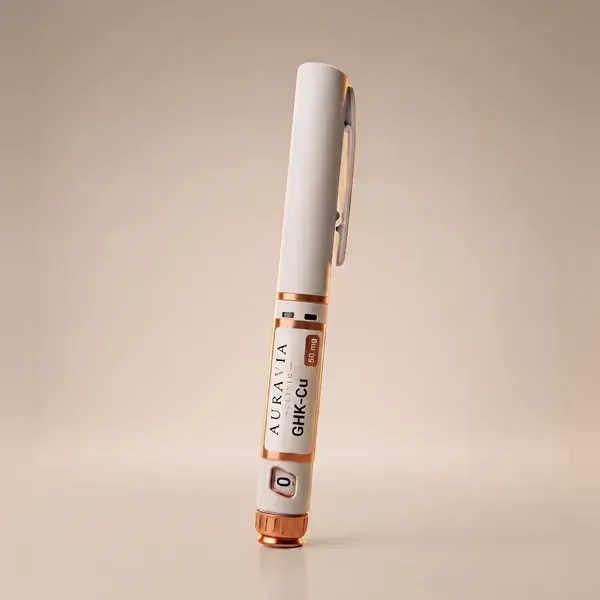
GHK-Cu Pen
Pre-filled Pen GHK-Cu
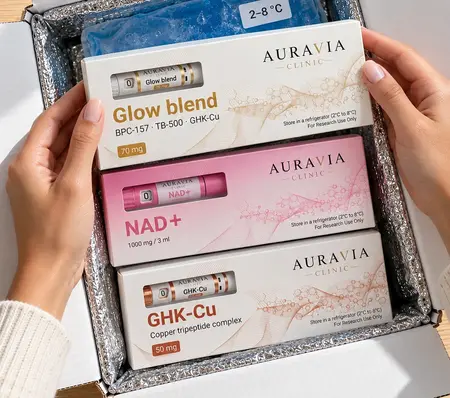
GLOW-UP Ritual
3-pen pack: Glow, NAD+, GHK-Cu
Test your knowledge
Quick quiz · 6 questions
Frequently Asked Questions
Is MK-677 a peptide?
Is MK-677 approved by the FDA or the EMA?
Does MK-677 build muscle strength?
Why does MK-677 increase appetite?
Does MK-677 affect blood sugar?
Is MK-677 allowed in competitive sport?
Did the HHS peptide compounding policy of October 2026 cover MK-677?
Why was the hip fracture study stopped?
Sources
- Patchett AA, Nargund RP, Tata JR, et al. (1995). Design and biological activities of L-163,191 (MK-0677): a potent, orally active growth hormone secretagogue. Proceedings of the National Academy of Sciences USA, 92(15):7001-7005. (pnas.org)
- Chapman IM, Bach MA, Van Cauter E, et al. (1996). Stimulation of the growth hormone (GH)-insulin-like growth factor I axis by daily oral administration of a GH secretagogue (MK-677) in healthy elderly subjects. Journal of Clinical Endocrinology and Metabolism, 81(12):4249-4257 (PMID 8954023). (PubMed)
- Copinschi G, Leproult R, Van Onderbergen A, et al. (1997). Prolonged oral treatment with MK-677, a novel growth hormone secretagogue, improves sleep quality in man. Neuroendocrinology (PMID 9349662). (PubMed)
- Svensson J, Lönn L, Jansson JO, et al. (1998). Two-month treatment of obese subjects with the oral growth hormone (GH) secretagogue MK-677 increases GH secretion, fat-free mass, and energy expenditure. Journal of Clinical Endocrinology and Metabolism, 83(2):362-369 (PMID 9467542). (PubMed)
- Nass R, Pezzoli SS, Oliveri MC, et al. (2008). Effects of an oral ghrelin mimetic on body composition and clinical outcomes in healthy older adults: a randomized trial. Annals of Internal Medicine, 149(9):601-611 (PMID 18981485). (PMC)
- Sevigny JJ, Ryan JM, van Dyck CH, et al. (2008). Growth hormone secretagogue MK-677: no clinical effect on AD progression in a randomized trial. Neurology (PMID 19015485). (PubMed)
- Adunsky A, Chandler J, Heyden N, et al. (2011). MK-0677 (ibutamoren mesylate) for the treatment of patients recovering from hip fracture: a multicenter, randomized, placebo-controlled phase IIb study. Archives of Gerontology and Geriatrics, 53(2):183-189. (sciencedirect.com)
- Merck Sharp & Dohme (sponsor) (2005). Treatment of Sarcopenia in Post-Hip Fracture Patients (0677-032), NCT00128115, status: Terminated. ClinicalTrials.gov. (clinicaltrials.gov)
- U.S. Food and Drug Administration (2024). October 29, 2024 Meeting of the Pharmacy Compounding Advisory Committee (ibutamoren mesylate, 503A Bulks List consideration). FDA Advisory Committee Calendar. (fda.gov)
- U.S. Department of Health and Human Services (2026). Interim enforcement discretion policy regarding 503A compounding using certain peptide bulk drug substances (BPC-157, epitalon, KPV, MOTS-c, semax, TB-500), published October 28, 2026. Federal Register notice, summarized in Holland & Knight regulatory alert. (hklaw.com)
- World Anti-Doping Agency (2026). The 2026 Prohibited List, International Standard, section S2.2 growth hormone secretagogues (ibutamoren named), effective January 1, 2026. World Anti-Doping Code.
- Therapeutic Goods Administration (Australia) (2018). Scheduling delegate's final decision: ibutamoren included in Schedule 4 with an Appendix D (Part 5) entry of the Poisons Standard. TGA scheduling decisions, April 2018. (tga.gov.au)
- National Center for Biotechnology Information (2026). Ibutamoren, compound summary (C₂₇H₃₆N₄O₅S, 528.7 g/mol). PubChem. (pubchem.ncbi.nlm.nih.gov)